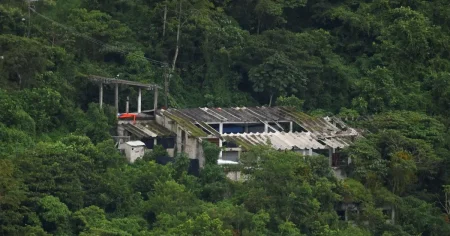

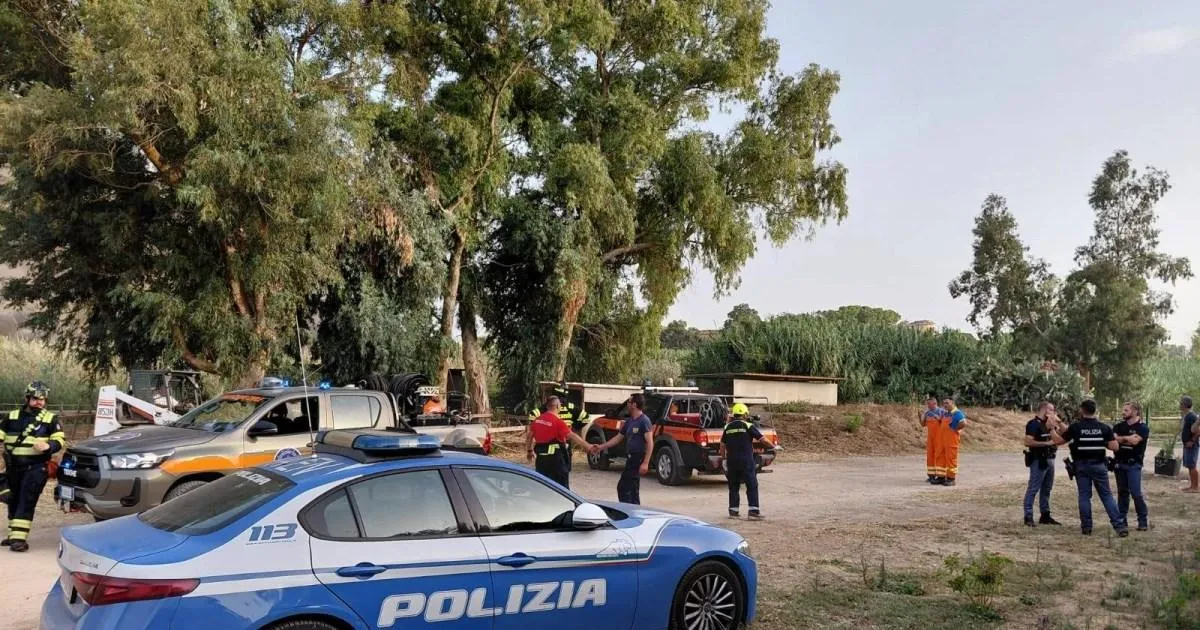
In the quiet, sun-scorched hills of Sicily, where abandoned farmhouses crumble into the earth and the only sounds are the wind and the distant bleating of goats, a mystery has taken root that has shaken a small community to its core. On Sunday morning, the body of John Benjamin, a 35-year-old British man, was found lying near a makeshift tent on land surrounding an abandoned farmhouse, just a few kilometres from the remote town of Canicattini Bagni. The discovery was jarring enough on its own—a young life lost far from home, in a place that few tourists ever see, tucked away from the well-worn paths of the island’s more famous coastlines. But it was what police found beside him that turned a tragic death into something far more unsettling: a goat’s head, drug paraphernalia, and a rope, all lying in close proximity to his naked body. For the locals, whose families have worked these rugged, sunbaked fields for generations, the scene was not merely sad; it was deeply disturbing, almost primal in its wrongness. Whispers began almost immediately, spreading through the narrow streets of Canicattini Bagni like wildfire, of esoteric rituals, of “flower child” hippie communities camping in the wilderness, of spiritual practices that seemed alien to the town’s deeply religious traditions. The police have not confirmed any connection to the occult, and the investigation remains open and active, but the imagery at the scene has been enough to ignite fear, suspicion, and a flood of anxious speculation. For now, the hills keep their secrets, and every unanswered question seems to make the silence heavier.
The details emerging from the investigation have only deepened the sense of unease. According to local media reports, John Benjamin had been camping in the area for a few days, apparently living a simple, transient existence, and he had been seeking to connect with a nomadic group that has settled in the Sicilian mountains. It was a search for something—community, meaning, a freer way of life—that would end in a field, under the open sky, with strange objects scattered around his body. The presence of a goat’s head is perhaps the most haunting detail, carrying as it does a weight of symbolic meaning across many cultures, often associated with rituals, sacrifice, or darker spiritual practices. Drug paraphernalia adds another layer of complexity, raising questions about the state of mind Benjamin may have been in, while the rope found nearby has led investigators to consider a range of possibilities, from accident to intentional harm. Neck injuries discovered on his body have made the case even more fraught, prompting police to prepare to interview several people who had been staying at the camp where Benjamin was hoping to belong. It is a painful reminder that behind every headline and every piece of evidence is a human being, a son, a friend, someone’s loved one, whose final moments are now being pieced together by strangers in white suits. The community watching from a distance can only imagine what he went through, and the speculation, however natural, does little to ease the ache of not knowing.
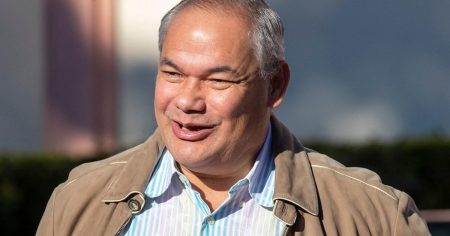
The nomadic groups that have become part of the landscape in this part of Sicily are not new to the region. Over the years, traveller communities and those seeking an alternative to modern life have found a kind of refuge in the Sicilian countryside, setting up temporary homes on the rugged terrain near the coastline and in the mountains. They live, as one local observer put it, in search of a freer life, moving from place to place, often staying no more than a few weeks or a month before moving on, though some are known to linger longer. The town’s mayor, Paolo Amenta, has spoken carefully and compassionately about these groups, acknowledging that they have never caused problems and that, when he has had the opportunity to meet them, they conveyed “a strong sense of serenity” to him. It was this very serenity that made the news of Benjamin’s death so shocking, so incongruous with the peace that the area usually enjoys. The mayor’s words reflect the tension at the heart of this story: a desire to honour the freedom and lifestyle of those who choose to live outside society’s conventions, while also confronting the possibility that something went terribly wrong within that world. He noted that children are often seen with the group and that people are sometimes invited to join the lifestyle, even setting up more permanent homes, which suggests a welcoming and somewhat open community. Yet the image of a man found dead near a goat’s head and a rope is difficult to reconcile with that sense of serenity, and it has left even the most open-minded residents searching for answers they do not have.
For the close-knit town of Canicattini Bagni, the tragedy could not have come at a worse moment. The community was in the middle of celebrating its patron saint, a time of year usually filled with processions, bells, and the kind of collective joy that binds small towns together. Instead, the festival has been overshadowed by grief and a creeping sense of dread. The death has marred the celebration, and the townsfolk have been quietly seeking information, trying to understand who these “hippie” communities are and what exactly happens out in the wild, rugged countryside that surrounds their homes. Some older residents remember stories from decades ago, of youths breaking into the cemetery at night, lighting fires, and writing on the walls—a tale of youthful rebellion that was eventually resolved when parents stepped in and punishment was meted out. But this is different. This is a death, a body, a mystery with no easy resolution. Mayor Amenta has spoken publicly to try to steady the town, saying, “I am—and we, as a community, are—deeply shaken and saddened by what has occurred. A person’s life is too precious to end in such dramatic circumstances—circumstances that have yet to be clarified. We stand with the family and share in their sorrow.” His words are a reminder that, no matter how strange the details become, the core of this story is a human tragedy. The mayor has also urged caution, asking people to allow the public prosecutors, forensics teams, and local authorities to do their work before drawing conclusions. It is a hard thing to ask in a community where everybody knows everybody, where news spreads by word of mouth, and where the natural instinct is to protect one’s own from the fear of the unknown.
The investigative process now moves forward, slow and methodical, in the hope of answering the questions that haunt the town. John Benjamin’s body has been taken to the mortuary at Lentini hospital, where an autopsy will be performed to determine the cause of death. The autopsy is expected to be crucial, not only for establishing how he died but also for clarifying the nature of the injuries found on his body and whether they were accidental, self-inflicted, or inflicted by someone else. A toxicology report will also be carried out, and that too will be pivotal, as the presence of drugs at the scene may mean his system holds the keys to unlocking the circumstances surrounding his final hours. Meanwhile, the Foreign Office has confirmed that it is supporting the family of the British man who died in Italy and remains in touch with local authorities. For Benjamin’s family, who are far away and dealing with a grief that must feel impossible to process, the waiting is perhaps the hardest part. Every day that passes without a definitive answer is a day filled with pain, confusion, and the agonising need to know what happened to their son, their brother, their loved one. The police interviews with those at the camp will be sensitive, and it remains to be seen whether anyone saw anything, heard anything, or understands more about Benjamin’s final days than they have so far revealed. In cases like this, the truth often comes slowly, and sometimes it remains incomplete, leaving loved ones and communities to live with a void that no explanation can ever truly fill.
As the sun rises and sets over the Sicilian hills, the makeshift tent and the abandoned farmhouse stand as silent witnesses to a life that ended too soon. The town of Canicattini Bagni will eventually return to its rhythms, its celebrations, its everyday routines, but the memory of this strange and tragic event will linger, woven into the stories that locals tell about the hidden corners of their land. What happened to John Benjamin may never be fully understood by the outside world, and perhaps that is the hardest truth of all. There is a natural human need to make sense of tragedy, to find a narrative that explains the inexplicable, but sometimes the pieces do not fit, and the mystery remains. The goat’s head, the rope, the drugs, the neck injuries, the lonely campsite, the desire to join a nomadic community in the mountains—all of these fragments point in different directions, offering no clear answer. The mayor’s plea for caution and trust in the investigation is wise, but it cannot stop the imagination from wandering. In the end, this is a story about a human being, far from home, searching for something, and meeting an end that no one could have foreseen. And for the people of Canicattini Bagni, the family of John Benjamin, and all those who have followed the story with a mix of fascination and sorrow, the only certainty is that a life has been lost, a community has been wounded, and the question of why will echo for a long time to come.