



The Unlikely Rise of a Ballboy: From Infamy to Industry
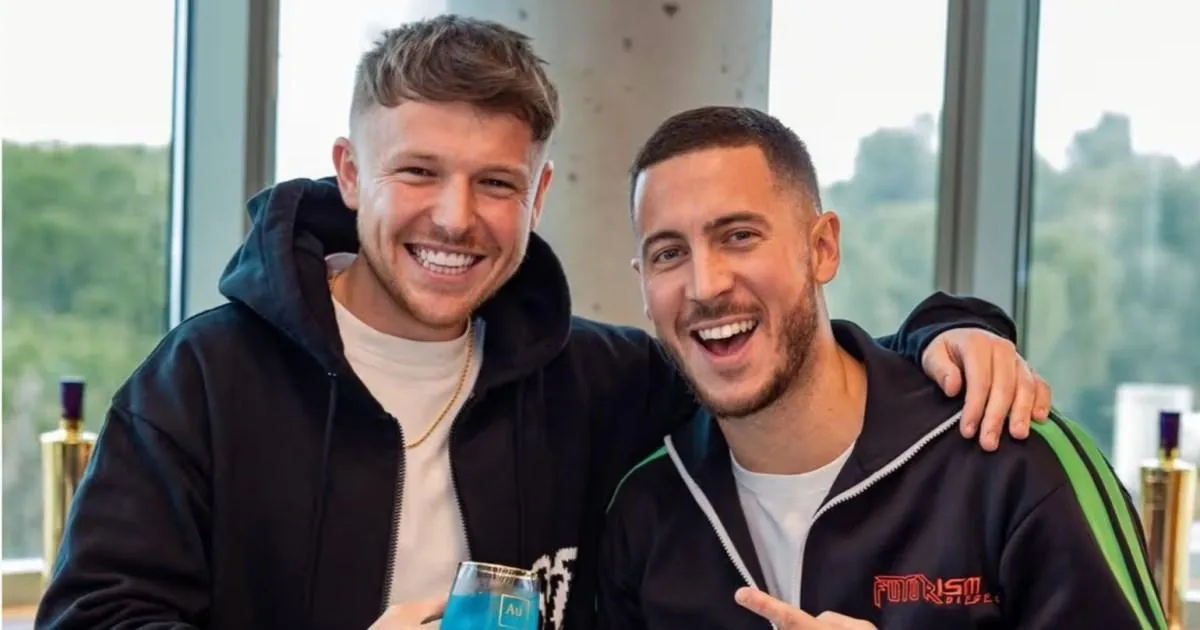
In the world of professional sports, a moment of infamy can define a career, typically for the athletes on the pitch. A careless tackle, a missed penalty, or a moment of petulance can etch a player’s name into the history books for all the wrong reasons. But every so often, a peripheral figure is thrust into the spotlight, their lives irrevocably altered by a split-second interaction with a global superstar. Such was the case for Charlie Morgan, a 17-year-old ballboy who became a household name in 2013, not for his athletic prowess, but for being on the receiving end of a frustrated kick from Chelsea’s Eden Hazard. What seemed like a bizarre footnote in footballing history, a tale of youthful time-wasting and a player’s loss of composure, has since transformed into a remarkable business parable. A decade on, Morgan, now 31, has completed a spectacular pivot from a figure of ridicule to a titan of industry, selling his premium vodka brand for an estimated £300 million, cementing his status as one of the most unlikely and successful entrepreneurs to emerge from the crucible of a football match.
The incident that started it all was a flashpoint of pure frustration. Swansea City was hosting Chelsea in a Capital One Cup semi-final, and with the home side protecting a lead, the ball trickled out of play. Morgan, acting as a ballboy, deliberately held onto the ball, shielding it from the Chelsea players in a classic, if cheeky, time-wasting tactic. Hazard, anxious to get the game restarted, attempted to dislodge the ball from the teenager’s grasp. When Morgan refused and fell on the ball, Hazard kicked him, sending the ballboy sprawling. The fallout was immediate and intense. Hazard was sent off, Chelsea lost the tie, and Morgan became the most talked-about ballboy in the world. The media had a field day, portraying him either as a villainous time-waster who deserved his comeuppance or a plucky young fan who had gotten under the skin of a multimillionaire footballer. For weeks, the image of Hazard’s boot connecting with Morgan was replayed endlessly, framing the teenager as the central character in a global sports drama he never asked to be part of.
But instead of retreating from the public eye, Morgan weaponized the notoriety. While he faced a torrent of abuse and even police protection, he also saw an opportunity. The fame, however fleeting, provided him with a platform. It was this platform, combined with an acute business acumen, that led him, alongside his friend Jackson Quinn, to launch Au Vodka in Swansea in 2015. The pair started with little more than a vision to create a premium, luxury alcohol brand that would stand out in a congested market. They clearly understood that the key to success in the modern consumer economy is as much about branding and storytelling as it is about the product itself. They crafted a distinctive aesthetic—a striking, gold bottle that screamed opulence—and positioned the brand not just as a drink, but as a lifestyle statement, a symbol of success and aspiration. Their timing was impeccable, tapping into the rise of celebrity culture and the social media boom that celebrates conspicuous consumption.
The growth of Au Vodka reads like a modern success story, built on a foundation of clever marketing and high-profile collaborations. The brand’s association with British rapper and DJ Charlie Sloth proved to be a turning point, injecting a dose of urban cool that resonated with a younger, diverse demographic. The celebrity endorsement strategy was amplified to a global scale, with sporting icons like boxing legend Floyd Mayweather and Brazilian football superstar Ronaldinho pictured with the signature gold bottles. These images were gold dust in the social media age, instantly lending the brand an air of global prestige and connecting it to a world of luxury and fame. It was a masterclass in modern marketing: by associating the brand with figures who embody success, they made consumers feel they were buying into that same lifestyle. The company expanded rapidly, creating over 80 jobs in South Wales and disrupting the established order of the spirits industry with a distinctly Welsh and proudly independent flair.
The culmination of this meteoric rise came with the acquisition by Sazerac, an American drinks behemoth that owns more than 500 brands, including Southern Comfort and BuzzBallz. While the financial terms remain officially undisclosed, reports valuing the deal at around £300 million underscore the astonishing scale of the achievement. For Morgan and Quinn, who started with “nothing but an idea and a belief that vodka didn’t have to be boring,” this sale is the ultimate validation. It transforms a decade of relentless hard work, strategic risk-taking, and savvy brand-building into a life-changing financial windfall. Sazerac’s CEO, Jake Wenz, expressed admiration for the brand’s phenomenal growth trajectory, highlighting the spectacular rarity of what the founders achieved in just over a decade. The acquisition is not just a personal victory for the founders but also a testament to their ability to take a moment of public shame and use it as a springboard for a triumph of enterprise.
Looking back, Morgan’s journey from being the world’s most famous ballboy to a multi-millionaire vodka tycoon is more than just a quirky news story; it’s a profound, human tale of resilience, reinvention, and the sheer power of perspective. He faced the kind of public humiliation that could easily have defined his life in a negative way. Instead, he tapped into a uniquely entrepreneurial spirit, refusing to be a victim of his past and instead treating it as the first chapter of a greater story. His success offers a compelling lesson for the age of viral fame: notoriety, when harnessed with intelligence and drive, can be transmuted into genuine, lasting success. While Hazard’s kick will forever be a part of his legacy, it is now merely a footnote to a far more impressive narrative—the story of a young man who turned a moment of being kicked around into a £300 million empire, proving that the greatest comeback is not just recovering from adversity, but building a kingdom upon its foundation.