

Asma al-Assad’s Reported Pursuit of Divorce and Return to the UK
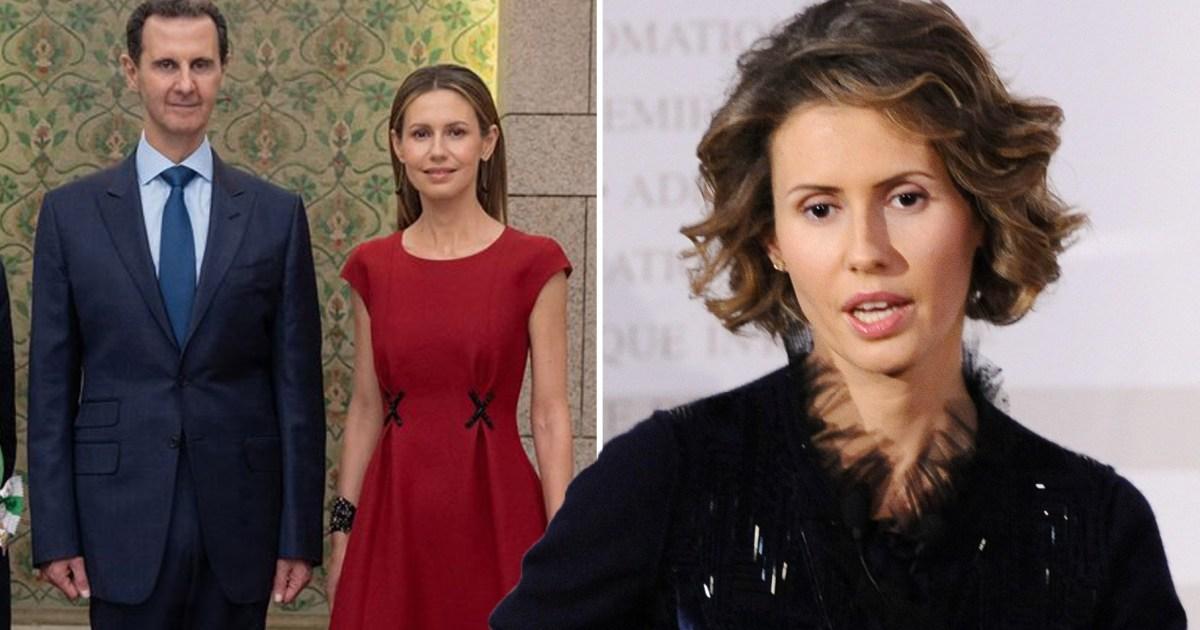
Reports have emerged suggesting that Asma al-Assad, the wife of deposed Syrian dictator Bashar al-Assad, is seeking a divorce and a return to the UK. Following the collapse of the Assad regime in December 2023, after 24 years in power, the family sought refuge in Moscow. However, Asma, a British-Syrian national born and raised in London, is reportedly dissatisfied with life in exile under constant surveillance in Russia. Turkish media outlets indicate that she has petitioned a Russian court for permission to relocate to London. This move potentially marks a significant turning point in the lives of the Assad family, raising questions about the future of Bashar al-Assad, their three children, and the complex political landscape surrounding their situation.
Asma’s desire to return to her homeland may be fueled by several factors. Sources suggest that she has been undergoing treatment for acute myeloid leukemia in Russia, and prefers to continue her medical care in the UK. The reported restrictions placed on the Assad family in Moscow, including frozen assets and limitations on movement, could also be contributing to her desire for a change. While Bashar al-Assad’s asylum request was reportedly granted, he remains subject to constraints, unable to leave Moscow or participate in political activities. The family’s substantial assets, including gold, cash, and properties, are allegedly inaccessible. These factors, coupled with the pressures of exile and the desire for a more stable environment for her children, may be driving Asma’s pursuit of a new life in the UK.
The reports surrounding Asma’s intentions also shed light on the broader situation of the Assad family in Russia. While Bashar al-Assad has been granted asylum, his brother, Maher al-Assad, faces a different reality. His asylum request remains under review, and he and his family are reportedly under house arrest in Moscow. This difference in treatment between the brothers underscores the complexities of the political landscape and the varying levels of scrutiny applied to individuals associated with the former Syrian regime. The contrasting fates of the two brothers highlight the precarious nature of their situation and the challenges they face in navigating their post-regime lives.
The downfall of the Assad regime, which had held power for 61 years, marks a pivotal moment in Syrian history. The December offensive by rebel forces, led by Hay’at Tahrir al-Sham (HTS), ultimately brought an end to Bashar al-Assad’s rule, forcing him and his family into exile. This transition of power represents a significant shift in the Syrian political landscape, with far-reaching implications for the country’s future. The collapse of the Assad regime opens up a period of uncertainty and potential instability, as various factions compete for influence and control. The long-term consequences of this regime change, both for Syria and the broader region, remain to be seen.
Asma al-Assad’s potential return to the UK raises several legal and political questions. Her dual British-Syrian citizenship complicates matters, as does her association with a regime accused of numerous human rights violations. The UK government will likely face pressure to carefully consider the implications of granting her entry, balancing her individual rights with broader security and political concerns. The decision regarding her status could have significant ramifications, setting a precedent for how governments handle similar cases involving individuals associated with controversial regimes.
Furthermore, the potential separation of Bashar and Asma al-Assad adds another layer of complexity to an already intricate situation. The dynamics of their relationship under the strain of exile, the potential legal battles surrounding divorce and custody, and the ramifications for their children’s futures remain uncertain. The unfolding story of the Assad family serves as a microcosm of the larger Syrian crisis, highlighting the human impact of political upheaval and the complexities of navigating a new reality after decades of power.