
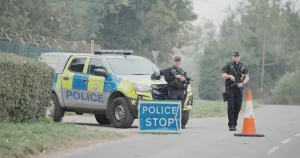

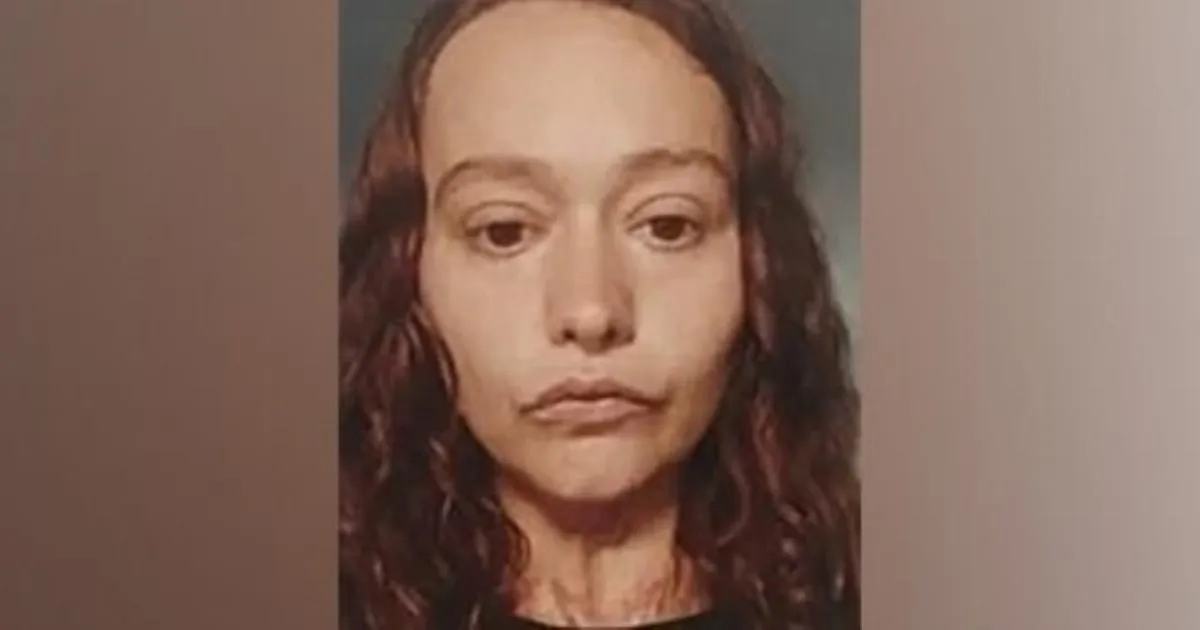
Behind the bare facts of a police appeal lies the story of Charlie Ryan, a 31-year-old woman who is heavily pregnant and has not been seen since Friday. The urgent search launched by Leicestershire Police is not just about locating someone who wandered off; it is about bringing home a mother-to-be, a daughter, a partner, and a friend. Charlie was last seen in the Groby Road area of Leicester, near the Glenfrith Way and New Parks Way roundabout, a place that will now be etched into the minds of those who live there. For her family, the passing of every hour is a small eternity, filled with dread, unanswered questions, and the crushing weight of not knowing. A woman who should be making plans for the arrival of her baby, surrounded by love and support, is instead the subject of a missing person investigation. The phrase “heavily pregnant” is not just a physical description; it is a reminder that there are two lives at stake. The urgency of this search cannot be overstated, because the longer someone remains missing, the more dangerous the situation becomes. The weather is turning colder, the nights are drawing in, and the vulnerability of a pregnant woman out in the open is greater than most people can imagine. Police have described Charlie as a white woman, 5ft 5ins tall, with bright blonde hair. She was last seen wearing a black jacket, a grey jumper, black leggings and black shoes. These are the details her family is clinging to, hoping that someone, somewhere, will recognise her face or remember the clothes she had on. No piece of information is too small, and no memory is too distant. Charlie’s disappearance has shaken a community, because it is a stark reminder of how fragile life can be, and how quickly a normal day can turn into a nightmare. This is not merely a news story to be skimmed and forgotten; it is a call to action from people who are terrified and exhausted, desperate for any sign that she is safe. The search is active, but it needs the eyes and the hearts of the public to help bring her home.
The last confirmed sighting of Charlie places her near the Glenfrith Way and New Parks Way roundabout, and it is this location that investigators are focusing on as they try to piece together what happened after she was seen. It was Friday when she disappeared, and for a heavily pregnant woman, being out and about is not unusual; she may have been running an errand, visiting a friend, or simply taking a walk to clear her head. But two days have now passed, and no one has come forward with any further information. In a world where everyone has a phone in their pocket and cameras seem to be on every street corner, it is hard to understand how someone can simply vanish. But vanish she has, and the silence is deafening. Police think she may now be in the Northfields suburb of Leicester, which means the search has shifted in that direction. Local residents are being asked to think carefully about whether they saw anything unusual, whether it be a woman matching Charlie’s description, a car that seemed out of place, or a momentary glimpse of someone who looked lost and afraid. It is so easy to dismiss these small observations, to assume that someone else will report them, but in a missing person case those seemingly insignificant details can be the breakthrough that changes everything. Charlie’s physical description has been shared widely: 5ft 5ins, bright blonde hair, a black jacket, a grey jumper, black leggings and black shoes. It is a description that could fit many women, but that is exactly why public involvement is so crucial. Someone out there has seen her, spoken to her, or at the very least walked past her, and they may not even realise it. The police are urging people to check their dashcams, doorbell cameras, and any footage they may have captured in the area. They are also appealing to anyone who was driving or walking through Groby Road or the Glenfrith Way and New Parks Way roundabout around the time she disappeared. The smallest detail, a face in a shop window, a woman sitting on a bench, a person getting into a car, could be the missing link in this search. The longer Charlie remains unseen, the more desperate the situation becomes, and the more important it is for the public to act.
The statement released by Leicestershire Police is brief, but its wording reveals the depth of the concern. ‘Police and Charlie’s family are extremely concerned for her welfare as active enquiries are continuing to find her,’ it says, before adding that anyone with information should call 999 and quote incident 159 of 2 October. In the world of official appeals, every word is chosen with care, and the use of ‘extremely concerned’ is not something that happens without serious thought. This is a family that is beside themselves with worry, and a police force that knows it is racing against time. The phrase ‘active enquiries’ suggests that there are lines of investigation being followed, that officers are looking through CCTV footage, speaking to witnesses, and searching the places that Charlie might have gone. But the reality is that no matter how many officers are involved, no matter how much technology is deployed, the public remains the most powerful tool in any missing person investigation. Charlie’s family are involved in the search, which means they are not sitting at home in passive despair. They are likely doing everything they can, distributing posters, retracing her steps, staying in constant contact with the police. They are the ones who know her best, who understand her habits, her moods, her fears, and the people she might turn to in a moment of crisis. They will be replaying the last conversations they had with her, wondering if there was something they missed, some sign that should have warned them that she was about to disappear. For them, the unanswered question is unbearable. Is Charlie safe? Is she cold? Is she scared? Is she with someone? Is she alone? Is she still pregnant, or has something happened that they do not yet know about? These questions must be circling in their heads, keeping them awake at night, and making every phone call a source of new terror. No family should have to go through this, and the only thing that will end their suffering is finding Charlie safe and bringing her home.
Now, more than ever, the appeal is being made to the public to look, to listen, and to act. Anyone who has seen Charlie Ryan, or who knows where she is, is being asked to contact the police on 999, quoting incident 159 of 2 October. This is not a request that can wait until tomorrow, or until you have finished what you are doing. If you see a woman who matches her description, if you notice someone who looks lost, frightened, or in danger, you should not hesitate. The police have set up a system to ensure that any information is passed on quickly, but it relies on people making that call. In the age of social media, there is also a civic duty to share the appeal, to keep Charlie’s face in front of as many people as possible. The more people who see her photograph, the more likely it is that someone will recognise her. That is how these cases are solved, not by one single heroic act, but by a network of ordinary people who refuse to look away. If you were in the Groby Road area on Friday, think hard. Did you see a woman with bright blonde hair, wearing a black jacket, grey jumper, black leggings and black shoes? Did you notice someone near the Glenfrith Way and New Parks Way roundabout? Did you see anyone who seemed to be struggling, or who looked like they did not want to be seen? Even if you are not sure, even if your memory is vague, call the police. Let them decide whether the information is useful. It is far better to make a call and be told that it is not relevant than to stay silent and later discover that you were the one person who could have helped. The same goes for anyone in the Northfields area, where police believe Charlie might now be. Check your property, check your garden, check any sheds or outbuildings if you have them. This is not about being nosy; it is about saving a life, and the life of an unborn child. By doing these small things, each of us can play a part in bringing this story to a happy ending.
What makes this case so haunting is the sheer vulnerability of the woman at the centre of it. Pregnancy is a time of profound physical and emotional change, a time when a woman is often at her most sensitive and fragile. The thought of a heavily pregnant woman being out there, somewhere, without the support and safety of those who love her, is almost impossible to bear. It is every family’s worst nightmare, and it is every stranger’s secret fear that they might pass someone in need without realising it. Charlie is not just a name in a headline; she is a human being with a future, with hopes, with people who love her, and with a baby growing inside her. The community has mobilised because they understand that this could be their daughter, their sister, their friend, their neighbour. There is an instinct that kicks in when a pregnant woman is in danger, a collective urge to protect and shelter. That instinct has been awakened in Leicester, where residents have been sharing the appeal, keeping their eyes open, and hoping for the best. But compassion cannot stop at a shared post or a moment of concern. It has to turn into action. It has to translate into someone looking out of their window one more time, someone checking the news for an update, someone making that phone call even though they are not entirely sure they have seen anything. The search for Charlie is a reminder that every person in a city is connected, whether we know it or not. We walk the same streets, breathe the same air, and share the same fate. When one of us is lost, we are all diminished. When Charlie is found, the relief will be felt beyond her immediate family, because it will restore a little faith in the idea that the world is a place where people look out for one another.
At the heart of this story is hope, stubborn and fragile, but impossible to extinguish. For Charlie, for her family, and for her unborn child, the desire is simple: that she is found safe, that she is protected, and that this ordeal comes to an end. There is still time, but time is running out, which is why the appeal must not be allowed to fade from public attention. If you are reading this, you can make a difference. You can remember Charlie Ryan. You can look at her photograph and let her face stay with you. You can ask yourself whether you saw her on Friday, and you can ask your friends and family if they did. You can check your phone, your car, your camera, your memory. And if you have any information at all, no matter how small or insignificant it may seem, you can call 999 and quote incident 159 of 2 October. Do not wait for someone else to do it. Do not assume that the police already know. The call you make could be the one that leads them to her. And if Charlie is out there, if she is somehow reading this or thinking of the people who are searching for her, we want her to know that she is not alone. She is not forgotten. She is not invisible. There is a whole network of people, from police officers to family members to complete strangers, who want nothing more than to see her safe. No one should have to go through pregnancy, or any part of life, in isolation. There is help available, there are people who care, and there is a place for her to return to. The story of Charlie Ryan is far from over. The ending has not been written yet. But it will be determined by the actions we take now, by the attention we pay, and by the willingness of ordinary people to care about a stranger. With any luck, that ending will be a homecoming, a mother holding her baby, and a community celebrating a life saved. Until then, the search continues, the family waits, and hope endures.