

Retail crime has long been a frustrating reality for London’s high street businesses, creating a tense atmosphere for staff and leading to significant financial losses. For years, the process of reporting these incidents felt like an uphill battle; shop managers would struggle to gather evidence, only to face a cumbersome, slow-moving bureaucratic process to get that information into the hands of the Metropolitan Police. Often, by the time CCTV footage was requested, processed, and reviewed by investigators, the trail had gone cold, and offenders had long since disappeared back into the city. However, a significant shift is now underway as the Met rolls out a new digital evidence-sharing platform designed to bridge the gap between retailers and law enforcement.
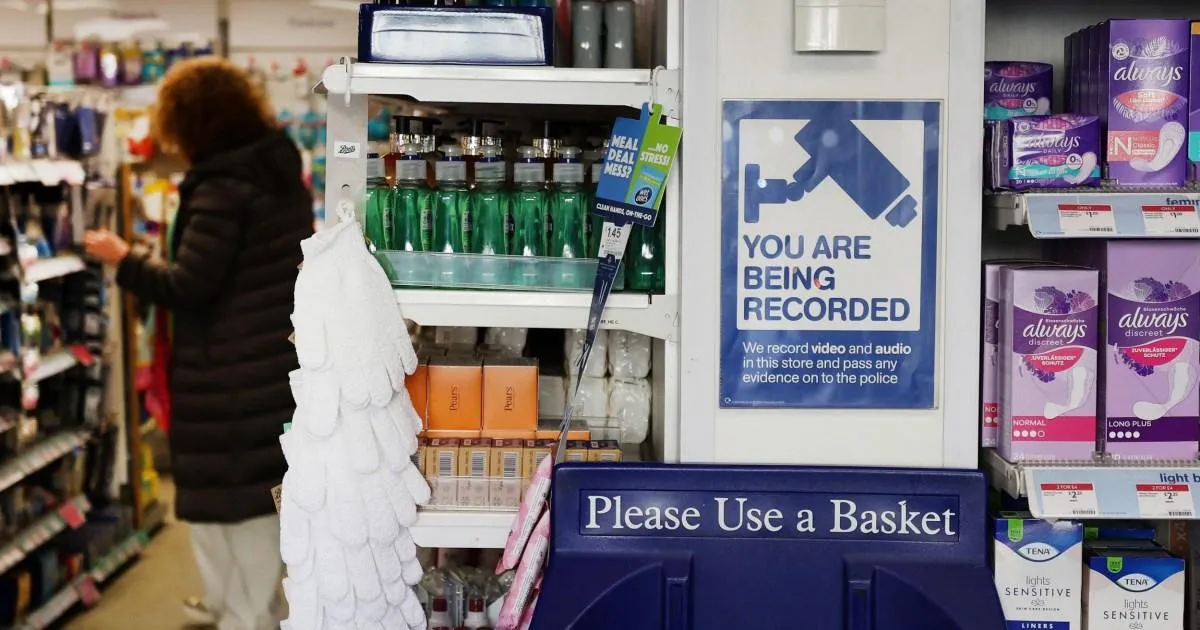
This new technology is fundamentally changing how crime is processed on the front lines by allowing major retailers—such as Tesco, Boots, Marks & Spencer, and Greggs—to upload CCTV footage, witness statements, and incident reports directly to police servers. Previously, officers might have spent up to 28 days waiting for physical files or manual transfers of evidence. Now, that timeline has been slashed to mere minutes. By creating a direct pipeline for digital evidence, the system empowers detectives to identify, track, and build robust cases against repeat offenders with an efficiency that was previously impossible. It is a practical solution to a modern problem, turning the high street’s existing security infrastructure into a more effective weapon against theft.
The impact of this technology is not just theoretical; the data suggests a tangible change in outcomes. Since the initial pilot began across six London boroughs—including Westminster, Kensington and Chelsea, and Greenwich—the success rate for investigations has seen a dramatic improvement. Official figures show that cases resulting in a charge, caution, or other criminal disposal have jumped from a meager 7.3% to a much more encouraging 29.4%. This nearly four-fold increase highlights the power of speed; when police have immediate access to high-quality evidence, they can act while the details are still fresh and the suspects are still active, leading to more frequent and successful prosecutions.
Given the success of the pilot program, the Metropolitan Police are now aggressively expanding the system’s reach. Starting today, the technology is being deployed to retail locations in eight additional boroughs: Southwark, Lambeth, Sutton, Croydon, Bromley, Hillingdon, Ealing, and Hounslow. Chief Inspector Rav Pathania, the Met’s lead for business crime, has made it clear that the force views retail crime as a top priority. While official reports suggest that shoplifting offences across London have actually dipped by nearly 4%, the police are not growing complacent. Instead, they are using the new platform to send a clear message: the threshold for getting away with retail theft is rising, and the consequences for those who target local shops are becoming far more certain.
The business community, which has borne the brunt of the recent surge in retail crime, is welcoming the initiative as a necessary step toward safer storefronts. Julie Murphy, a vice president at Boots, emphasized that the partnership between the retail giant and the police is a vital part of protecting both staff and stock. For companies like Boots and Greggs, who have been vocal about the toll this crime wave takes on their operations, the ability to collaborate directly with law enforcement provides a sense of security that had been missing. It is a collaborative effort that acknowledges that shoplifting is not just a “victimless” corporate issue, but a genuine concern that affects the safety of employees and the viability of the local economy.
Ultimately, the goal is to shift the narrative from impunity to accountability. Recent court cases underscore this new approach, ranging from high-profile sprees involving large sums of goods to persistent offenders like Michael Belgrave, who was recently sentenced to nine months in prison and hit with a sweeping five-year criminal behaviour order. By integrating smarter technology with a more proactive policing strategy, the Met is aiming to deter potential offenders before they strike. For the thousands of shop workers and business owners across London, this expansion offers a renewed hope that their workplaces will be better protected and that those who choose to break the law will face the consequences far more quickly than before.