


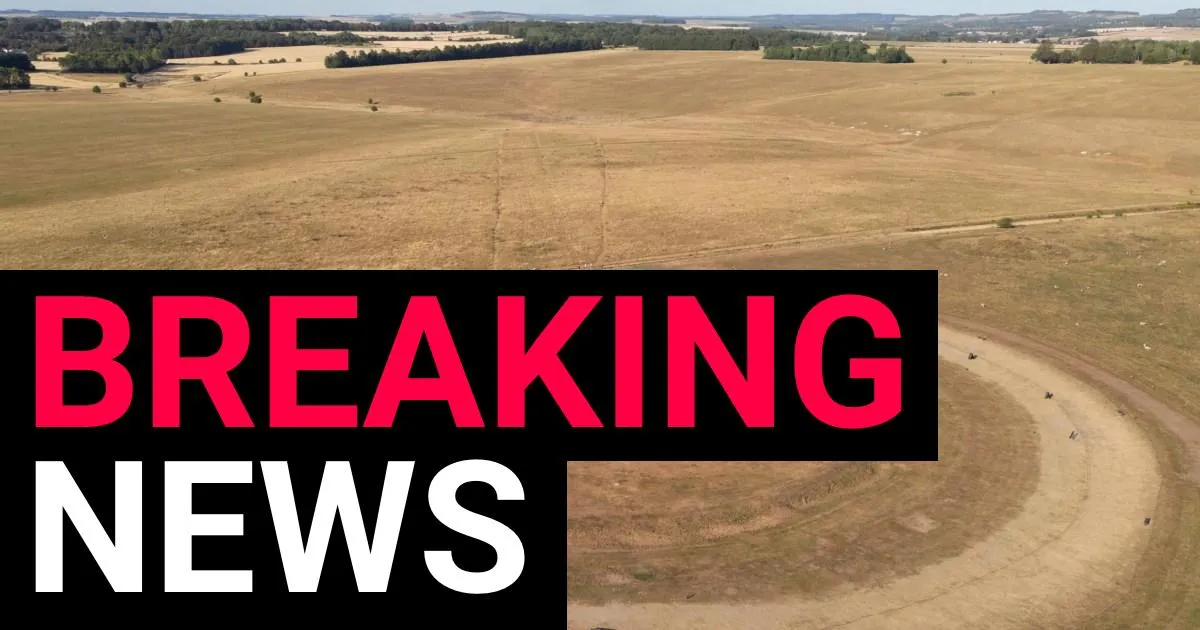
The iconic, lush green landscape surrounding Stonehenge has withered into a dusty, scorched brown, serving as a stark visual metaphor for the environmental crisis currently gripping the United Kingdom. After an agonizingly long stretch of relentless heat, the nation finds itself caught in the vice of a historic drought that has turned beloved pastures into barren earth. While meteorologists are finally pointing toward incoming rainfall, the relief is bittersweet; it is patchy and insufficient, bypassing the very regions that are currently suffering the most under the weight of this prolonged dry spell. For many, the sight of cracked soil and yellowed fields has become a sobering reminder of how rapidly our climate is shifting, leaving the once-verdant British countryside feeling almost unrecognizable.
The numbers behind this summer’s trauma are staggering and speak to a new, uncomfortable reality for the UK. July 2026 shattered records as the driest month ever documented in southern England, effectively plunging half of England and all of Wales into a formal state of drought. Perhaps more concerning is the sheer frequency of the heat; we have officially endured 20 days this year where temperatures soared to 32°C or higher, eclipsing the previous 1995 record. This isn’t just a brief inconvenience; it is a sustained assault of heat that has disrupted the rhythm of daily life. Even as Northern Ireland and parts of Scotland prepare for a cooling trend and some much-needed precipitation, the Midlands and the South East remain trapped in a cycle of high humidity and suffocating sunshine, denied the relief that other regions might soon receive.
For the agricultural sector, the human cost of this drought is becoming increasingly impossible to ignore. Farming leaders have described this season as one of the most severe challenges they have faced in living memory. The statistics are chilling: in July, 19 counties across England recorded almost zero rainfall—less than a millimeter for the entire month. This lack of water has decimated crop yields, creating a secondary crisis for fruit and vegetable producers. Livestock keepers, forced to tap into their precious winter feed reserves just to keep their animals alive in the summer heat, are facing an economic and emotional toll that will likely ripple through the food supply chain for months, if not years, to come.
The public health implications of this relentless weather have been just as catastrophic as the agricultural ones. We have endured a summer of extremes, with two record-shattering heatwaves in the spring followed by two more in July, resulting in over 2,800 excess deaths. The UK Health Security Agency has been forced to maintain constant vigilance, issuing amber heat-health alerts for major hubs like London and the East Midlands. These warnings serve as a somber signal to the NHS, which is braced for the extra pressure of vulnerable citizens struggling to cope with the prolonged thermal stress. It is a reminder that when the mercury climbs this high for this long, it isn’t just the grass that suffers—it is our most fragile neighbors who bear the brunt of the heat.
The physical landscape itself has become a theater of fire and smoke, as the tinder-dry conditions turn sparks into infernos. Firefighters have been stretched to their breaking point, battling massive blazes from the heathlands of Suffolk to the sprawling valleys of South Wales. Drone footage from the Rhondda valley recently captured the harrowing reality of a 150-hectare fire, where forests and scrubland were reduced to charred, blackened skeletons under plumes of smoke. These fires are not merely isolated incidents; they are symptomatic of an environment pushed beyond its natural threshold, where the lack of moisture has turned once-resilient vegetation into a volatile fuel source that threatens both property and biodiversity.
Ultimately, the nation is left in a state of anxious waiting. While the forecast hints at a gradual cooling and potentially unsettled weather, including thunderstorm warnings for some areas, the persistent dryness in the South East remains a lingering, unresolved fear. We are learning, perhaps the hard way, that our climate is no longer the predictable, temperate companion we once took for granted. As we look at the dust-covered stones of ancient monuments and the scorched earth of our modern farms, the message is clear: the climate has changed, and our infrastructure, our agriculture, and our daily habits must evolve to meet the reality of a world that is becoming hotter, drier, and far more unpredictable than we ever imagined.