

Here is a summary of the events, written in a humanized and engaging tone across six paragraphs:
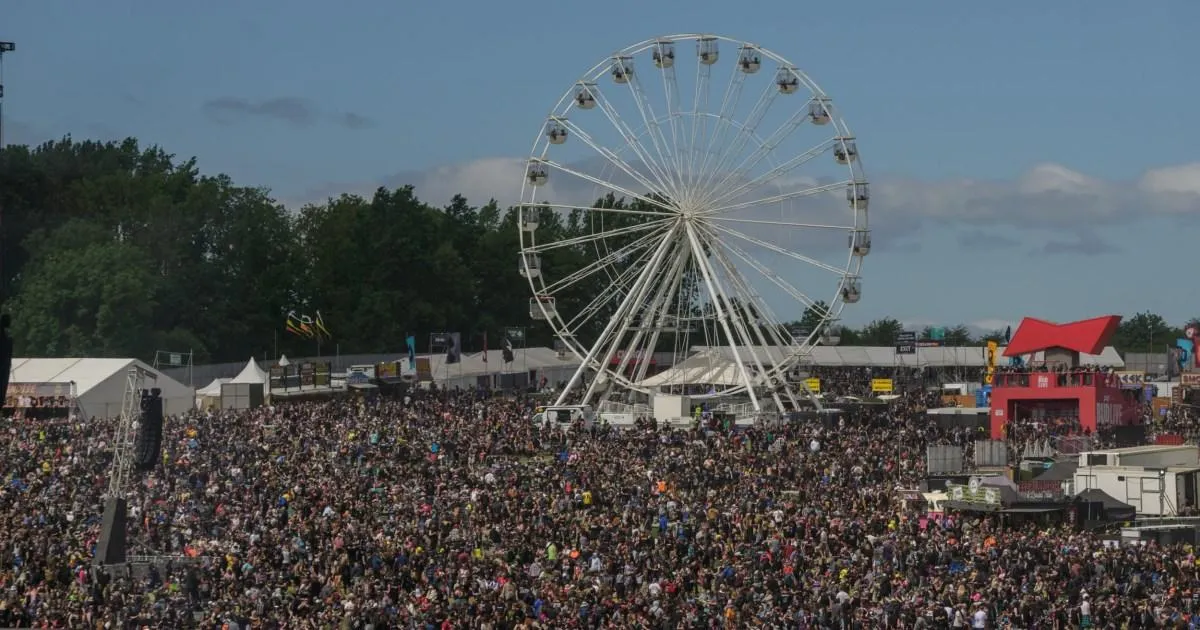
The vibrant atmosphere of summer music festivals, usually defined by the thrill of live performances and the camaraderie of shared musical experiences, has recently been overshadowed by a series of unsettling incidents. In Castle Donington, the excitement surrounding a performance by legendary rockers Guns ‘n’ Roses took an unexpected turn when an alleged act of public indecency occurred on the festival’s Ferris wheel. While thousands of fans were gathered below, eagerly awaiting the band’s arrival on stage, a couple was reportedly spotted engaging in an intimate act high above the crowd. This bizarre spectacle quickly drew the attention of onlookers and subsequently prompted a formal investigation by Leicestershire Police.
As the dust settled following the festival, law enforcement began the delicate process of identifying those involved. Authorities have already managed to locate and conduct a voluntary interview with a woman connected to the incident, but the search continues for a man seen alongside her. To aid in their investigation, Leicestershire Police have released a photograph of the man—a shirtless individual wearing large sunglasses and a silver dog tag necklace—in hopes that the public can help identify him. It is a stark reminder that even in the chaos and anonymity of a massive festival crowd, actions taken in public spaces remain subject to legal scrutiny and community standards.
The incident at Castle Donington, while scandalous in nature, stands in contrast to another recent event that highlighted the physical dangers that can arise when crowd management fails. Just this past weekend, the atmosphere at the Ghana Party in the Park in north London shifted from celebration to terror. What was intended to be a joyous cultural event, part of the broader ShattaFest UK, descended into chaos after a crowd surge left at least 23 people injured. The incident occurred at Copthall Playing Fields, where a series of unfortunate events turned a day of music into a frightening ordeal for those in attendance.
The situation in Barnet began to unravel when a small fire broke out near the event entrance, acting as a catalyst for a dangerous bottleneck. As security attempted to manage the situation and eventually reopened the gates, the pent-up frustration of the waiting crowd boiled over. A massive, uncontrolled surge of people poured into the park, leading to a harrowing scene where festival-goers were knocked off their feet and trampled under the weight of the moving throng. Despite the desperate efforts of security staff and police officers using megaphones to plead for calm, the momentum of the crowd proved difficult to stem, resulting in scenes that have since been widely shared on social media.
These two distinct incidents—one involving a bizarre breach of public decency and the other a terrifying display of crowd instability—serve as sobering reminders of the responsibilities held by both organizers and attendees. Festivals are designed to be escapes from the mundane, places where people can let their guards down and lose themselves in the music. However, when the lines of safety or social decorum are crossed, the repercussions can be severe, whether it’s a criminal investigation into personal conduct or the trauma caused by a life-threatening crush. For those planning to attend future events, these stories underscore the importance of maintaining situational awareness, even in the heart of a party.
Ultimately, as summer festivals continue across the country, these reports invite us to reflect on the nature of mass gatherings. While we look to these events for connection and entertainment, the safety and well-being of the collective must remain the top priority. From the meticulous work of the police to the critical need for better crowd control and emergency planning, every facet of the festival experience is being re-evaluated. Whether it is through the lenses of legal accountability or public safety, these recent headlines emphasize that while we come together for the love of music, it is our collective duty to look out for one another long after the final encore has ended.