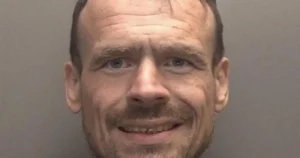

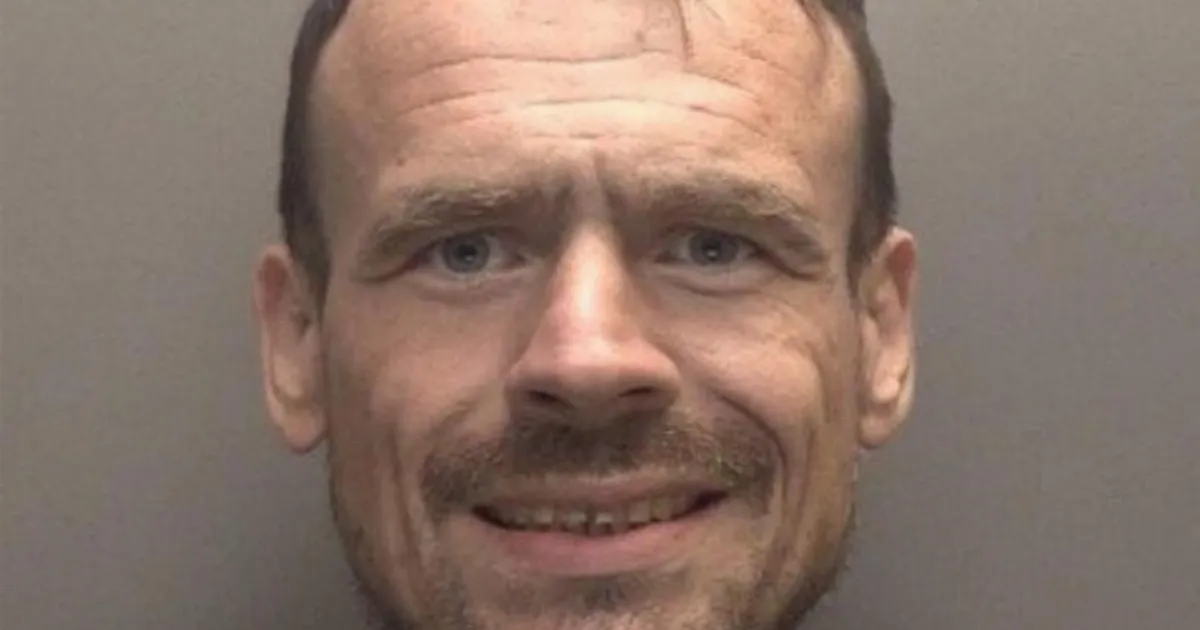
On an otherwise ordinary afternoon, the peace of Lewisham was broken by an urgent development that quickly turned into a major police operation. Anthony Lloyd, a 38-year-old man who was in a medical facility, was last seen at 4.10pm today forcing himself out of the building. The image of a man physically pushing his way out of a healthcare setting is unsettling, and it immediately raised alarms for officers responsible both for his wellbeing and for public safety. Within minutes, the search was under way, with police focusing on the direction Lloyd was seen heading: towards Catford. What began as a local incident soon became a wider concern, as authorities acknowledged that he could be anywhere in London and beyond. The public were told not to approach him, but to call 999 immediately. This is the kind of news that stops people in their tracks, because it combines the vulnerability of someone who was receiving medical attention with the unpredictable risk that his escape now poses. Police have not released details of why Lloyd was at the facility, or what condition he was being treated for, but the warning from detectives was stark: he is considered a danger both to himself and to others. For residents in Lewisham, Catford and the surrounding areas, the news was a reminder that safety can feel fragile, and that even secure-looking buildings are not always impermeable. The search, which began with officers scouring streets and speaking to witnesses, has now expanded in the minds of investigators to include multiple counties and perhaps the entire country. In the hours since his disappearance, the focus has been on finding him quickly, before anyone else is put at risk. The human story here is not just about a man who fled, but about a community on edge, a police team working against the clock, and a family who may be watching the news with a mixture of fear and hope.
Anthony Lloyd’s escape was not a subtle affair. He was seen forcing his way out of the building in Lewisham, an act that suggests determination, desperation, or perhaps a combination of both. The fact that he was in a medical facility rather than a prison adds another layer of complexity to the situation. It raises difficult questions about how a person in a secure healthcare setting could manage to break out, and what kind of support or supervision he was receiving at the time. But for now, those questions are secondary to the immediate task of finding him. After leaving the building, Lloyd was seen heading in the direction of Catford, a busy area with shops, residential streets, and transport links that could take him almost anywhere. Police have been quick to point out that he has connections to a wide range of places across the country, including Surrey, Sussex, Thames Valley, Hampshire, Nottinghamshire, Derbyshire and Merseyside. That list of locations is significant because it means this is not simply a London problem. Lloyd may have friends, relatives, or safe houses in any of those areas, and he could be trying to reach one of them. It also means that the public in many different parts of England need to be aware of his description and of the danger he may present. The uncertainty is perhaps the most difficult part of an escape like this. No one knows whether he is still on foot, whether he has found a vehicle, or whether he has already left London entirely. Every minute that passes gives him more time to disappear, and that is why the police are urging anyone who sees him to act immediately rather than waiting or trying to intervene themselves.
Detective Superintendent Melanie Pressley, who is leading the manhunt, has been clear and direct in her appeal to the public. She said: “We are conducting various significant enquiries to find Lloyd and return him to custody. We are concerned he poses a risk both to himself and the public, and would urge anyone who sees him to call 999 immediately. Do not approach him. If you have any information – however small – that could help us locate Lloyd, please get in touch with police as a matter of urgency.” Those words carry a weight that goes beyond routine police statements. The phrase “risk both to himself and the public” suggests that this is not just a case of someone running away from responsibility. It hints at a person who may be in a fragile state, possibly confused, frightened, or experiencing a crisis. At the same time, the warning not to approach him makes it clear that he could behave unpredictably. For the average person, hearing such a warning can be frightening. It is natural to feel anxious about going about your daily business when you know that someone considered dangerous is on the loose in your area. But the police are not asking people to become vigilantes or to put themselves in harm’s way. They are asking for eyes and ears, for phone calls, for information. That is a role every member of the public can play without taking unnecessary risks. The instruction to dial 999 is simple and effective. It ensures that trained officers can respond quickly, assess the situation, and take action in a way that protects everyone involved, including Lloyd himself.
Medical facilities are not supposed to be easy places to escape from. They are places where people go to heal, to be monitored, and to be kept safe. When someone like Anthony Lloyd forces his way out, it disrupts that sense of order and leaves many people feeling uneasy. It also puts pressure on the healthcare and criminal justice systems, which must work together to understand what went wrong and how to prevent it from happening again. But in the immediate aftermath, the priority is not blame or investigation. The priority is locating a missing man who may be in danger himself, and who may pose a danger to others. The fact that police have released his name, age, and a description of his movements shows how seriously they are treating the situation. They want the public to be able to recognize him if they see him. They also want to generate as many tips and leads as possible, because someone, somewhere, has seen something. It could be a neighbour who noticed a man acting strangely. It could be a shopkeeper who served someone matching his description. It could be a passer-by who saw him get into a car or board a train. Often in cases like this, it is a tiny detail that breaks the case open. That is why the police are asking for any information, however small, to be passed on urgently. They understand that people might be hesitant to come forward, perhaps because they are not sure if what they saw is important, or because they do not want to get involved. But the detectives are making it clear that no detail is too minor when it comes to finding someone who is considered a risk to himself and the public.
For the public, the instructions are clear, but the emotional impact is more complicated. It is difficult to walk through a familiar street when you know that someone on the run might be nearby. Parents may worry about their children walking home from school. Commuters may glance nervously at fellow passengers on trains and buses. People may double-check that their doors are locked at night. This is a natural response to a real and acknowledged threat. At the same time, it is important to remember that the vast majority of people who encounter someone like Lloyd will not be in danger. The police warning is designed to be cautious, not to create panic. They want people to be aware, not afraid. The search is ongoing, and there are dedicated officers working on the case around the clock. They are using every tool available to them, from CCTV analysis to witness interviews to intelligence gathering. They are also liaising with police forces in the areas where Lloyd has links, ensuring that local officers are on the lookout and that any sightings are followed up quickly. The coordination between different police services is crucial in a case like this, because a man on the run does not respect boundaries or borders. He could travel from London to Surrey, from Surrey to Hampshire, or much further afield, in a matter of hours. The fact that police have publicly listed the counties he is connected to is both a warning to those communities and an appeal for their help. It is a way of saying: this man could come here, and if he does, we need you to be ready.
At its core, this is a story about uncertainty, urgency, and the shared responsibility we all have to keep our communities safe. Anthony Lloyd is not just a name in a police statement. He is a human being, someone with a history, with people who care about him, and with circumstances that led him to a medical facility in Lewisham on this particular day. Whatever he has done, and whatever risk he may pose, the hope is that he will be found before anyone else is harmed, and before he harms himself. The police have been careful to balance compassion with caution, and the public should do the same. If you see him, do not approach him. Do not try to stop him or detain him. Instead, call 999 and let trained professionals handle the situation. If you have information, even if it seems insignificant, pass it on. A single phone call could make all the difference. In the meantime, the search continues. Officers are following leads, checking locations, and waiting for that one crucial piece of information that will bring this episode to a safe conclusion. For the people of Lewisham and Catford, for the wider London area, and for those in the counties connected to Lloyd, there is nothing to do but stay alert, stay calm, and trust that the police are doing everything in their power to resolve this as quickly and safely as possible. The coming hours and days will be tense, but they are also a reminder that we are all part of the same community, looking out for one another in moments of uncertainty.