
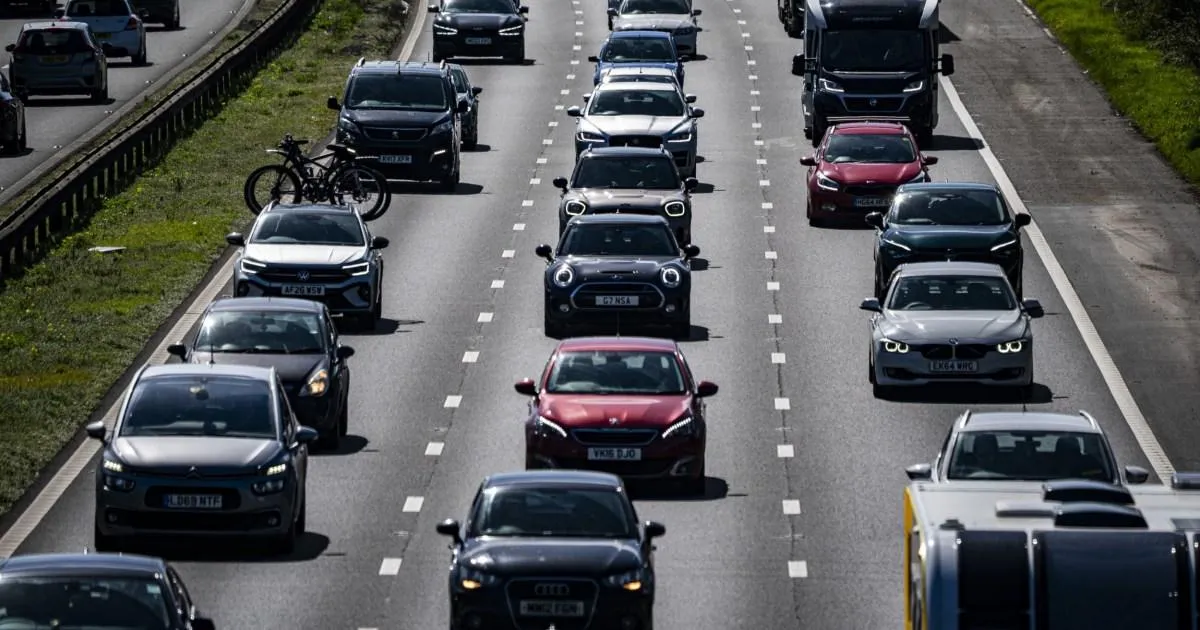
Paragraph 1: A Community’s Nightmare Unfolds
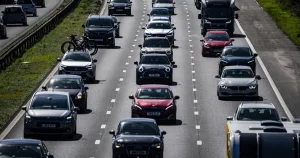
Imagine waking up one morning to the announcement that the motorway junction you rely on daily will be sealed off for two whole years. That is precisely the grim reality facing residents and commuters in and around Cheltenham, as Gloucestershire County Council has unveiled a £372 million plan to overhaul Junction 10 of the M5. The works, which are slated to begin early next year and run through 2029, will involve closing the junction’s slip roads and Withybridge Lane, the vital artery linking Tewkesbury Road to Old Gloucester Road. While the council assures everyone that the M5 itself will remain open and that signed diversion routes will be in place, the immediate reaction from local leaders is anything but reassuring. Councillor Vernon Smith, who leads the Reform UK opposition group, didn’t mince words: he described the imminent chaos as “endless gridlock and a traffic nightmare,” and warned that local families and motorists are being treated as “collateral damage” in a far larger political and infrastructural game. The fear is not hypothetical—anyone who has ever sat bumper-to-bumper during a road closure knows the sinking feeling of time slipping away, of appointments missed, of tempers fraying. For two years, this will become the daily rhythm of life for thousands of people, and the psychological toll may be just as heavy as the physical congestion.
Paragraph 2: The Perfect Storm of Bad Timing and Broken Promises
What makes this announcement even more galling is the timing. Just a week earlier, the government reneged on a pledge to fund improvements to Junction 9 of the same motorway, including the promising new Junction 9a. In the eyes of many, this created a perfect storm: the government abandons one fix while forcing another massive disruption onto the same corridor. Councillor Smith was quick to point out the absurdity: “Scrapping the vital M5 Junction 9a scheme while expecting our local roads to absorb the fallout of a two-year closure at Junction 10 is an absolute disaster waiting to happen.” This isn’t just about orange cones and traffic jams; it’s about broken trust between communities and the institutions that are supposed to serve them. For locals who have endured years of patchwork repairs and incremental roadworks, this feels like a final blow. The junction’s existing limitations only compound the frustration: currently, it only allows drivers heading south to exit and those heading north to join. That means thousands of motorists must find convoluted alternate routes even on a good day. When the closure hits, those already strained secondary roads will be overwhelmed with diverted traffic. The diversion routes, while officially “signed,” will likely turn tranquil country lanes into roaring, congested corridors, and the promise of a smooth transition rings hollow to anyone who has experienced the chaos of a major road project.
Paragraph 3: Business and Everyday Life Caught in the Crossfire
Beyond the politicians, the real human cost is felt by small business owners and ordinary families who depend on the motorway for their livelihoods. Washington Carrato, who runs a removal firm called TheManVan in Cheltenham, summed up the sentiment of many when he said traffic around Junction 10 is already “very heavy.” For him, the long-term goal of improved connectivity is a good idea, but the two-year construction marathon will be a daily headache. His vans, laden with furniture and belongings, will snake through side roads, adding hours to deliveries and stressing out customers who are already anxious about moving. But Carrato represents just one trade. Consider the delivery driver trying to get fresh produce to restaurants, the nurse commuting to a night shift at the hospital, the parent who needs to get children to school and then their own job, or the elderly relative who relies on visits from carers. These are not abstract numbers in a traffic report; they are the fabric of the community. The psychological weight of knowing that every trip will be an ordeal—that the simple act of going to the supermarket becomes a strategic operation—cannot be underestimated. It breeds exhaustion, resentment, and a sense of powerlessness. Even those who do not drive will feel the impact: increased traffic on residential streets means more noise, more pollution, and more danger for pedestrians and cyclists. The closure of Withybridge Lane, a key local connector, will sever neighborhoods and force residents to take long detours just to reach a friend’s house or a local park. For families with young children, the isolation could be profound.
Paragraph 4: The Council’s Rationale and the Promise of a Brighter Future
Yet, from the council’s perspective, this hardship is a necessary evil. Cllr Julian Tooke, the cabinet member for business, economic development, planning, and infrastructure, is keen to foreground the long-term gains. He argues that the improvements will “improve connectivity locally and regionally, support economic growth and help unlock future development across the county.” The most concrete promise is the creation of over 20,000 new homes in the area—homes for people who desperately need them, families who are currently priced out or trapped in unsuitable housing. The new junction design will allow drivers to join the motorway from any direction, eliminating the labyrinthine navigations that currently frustrate travelers. Tooke stresses that the slip road closures are unavoidable because the “most complex parts of the work” must be carried out safely and as quickly as reasonably possible. He acknowledges the disruption, admitting, “We know this will be difficult for people who use Junction 10 and nearby roads.” But he also insists that other options were considered—and dismissed. Some alternatives, he notes, would increase safety risks, cost more, create even more changes for drivers, or extend the motorway traffic management. This is classic infrastructure satisfaction logic: the greatest good for the greatest number in the future, paid for by the suffering of the present. But this utilitarian approach rarely sits well with a mother who must now add forty minutes to the school run, or with a shift worker who faces a grueling drive after a long night. In their eyes, the promise of 2029 is a mirage—far away, while the gridlock is here and now.
Paragraph 5: A Community Forced to Prepare for the Struggle
In the run-up to the work, the council is trying to soften the blow by hosting public information events in November. These gatherings are meant to help locals understand the planned changes and offer a space for questions and concerns. But for many, these events merely serve as a formality—an exercise in box-ticking before the inevitable. There is a deeper frustration that the decision was made, and the community is merely being informed, not consulted. The sense of being “collateral damage” persists. In the absence of a viable alternative, locals are starting to brace themselves. Some will try to shift their working hours to avoid peak traffic. Others will invest in bicycles, only to face the dangers of sharing narrow lanes with lorry diversions. Some may even consider moving—an absurd response to a road repair project. The strain will also fall on the local economy in unexpected ways. Restaurants and shops near the junction may lose customers who no longer want to navigate the chaos. Tourism could decline. Commuters who drive into Bristol or Birmingham will burn more fuel, costing more money and pumping more emissions into the atmosphere—a bitter irony in an era of climate consciousness. The council aims to complete the works by 2029, but in the world of construction, deadlines shift. The two-year timeline could stretch, and every extension only deepens the wound. There is also the psychological burden of the unknown, of living under a cloud of uncertainty. People want to know: Will my bus route be affected? Will the school run be longer? Will I lose my job if I can’t get to work on time? These questions hang in the air, unanswered, as the project gears up.
Paragraph 6: A Glimmer of Hope Amidst the Grind
And yet, amid the despair, there is a quiet resilience that defines communities like Cheltenham. Residents have weathered storms before—be it floods, economic downturns, or previous roadworks. The human spirit finds ways to adapt. Neighbours will start carpooling. Coffee shops will become meeting points for stranded motorists. Local online forums will pivot from complaining to sharing real-time traffic updates, creating a sense of solidarity. The removal firm owner, despite his misgivings, said the long-term plan “seems like a good idea.” That acknowledgment is the key. We all tolerate pain when we believe the outcome is worth it. The 20,000 new homes represent new beginnings for thousands of families: first-time buyers, young couples, and people who have been waiting years for a place to call their own. The improved junction could reduce travel times for generations to come, boosting trade and making the region more attractive to businesses. When we look back in 2030, we may wonder how we ever managed without this upgrade. The key is not to dismiss the suffering of the next two years, but to hold onto the vision of a better-connected, more prosperous community. The officials will likely not be the ones stuck in traffic, but they, too, have families and will hear the complaints. For now, all we can do is plan, prepare, and support one another. When the cones go up and the engines idle, we’ll remember that this is just one chapter in the long story of a town on the move. And as we creep along the diversion, we might even find a silver lining: a slower pace forces us to notice the roadside hedgerows, the changing seasons, and the kindness of a fellow driver letting us merge. So, let the roadworks begin. We’ll be ready—or at least, we’ll be together.