


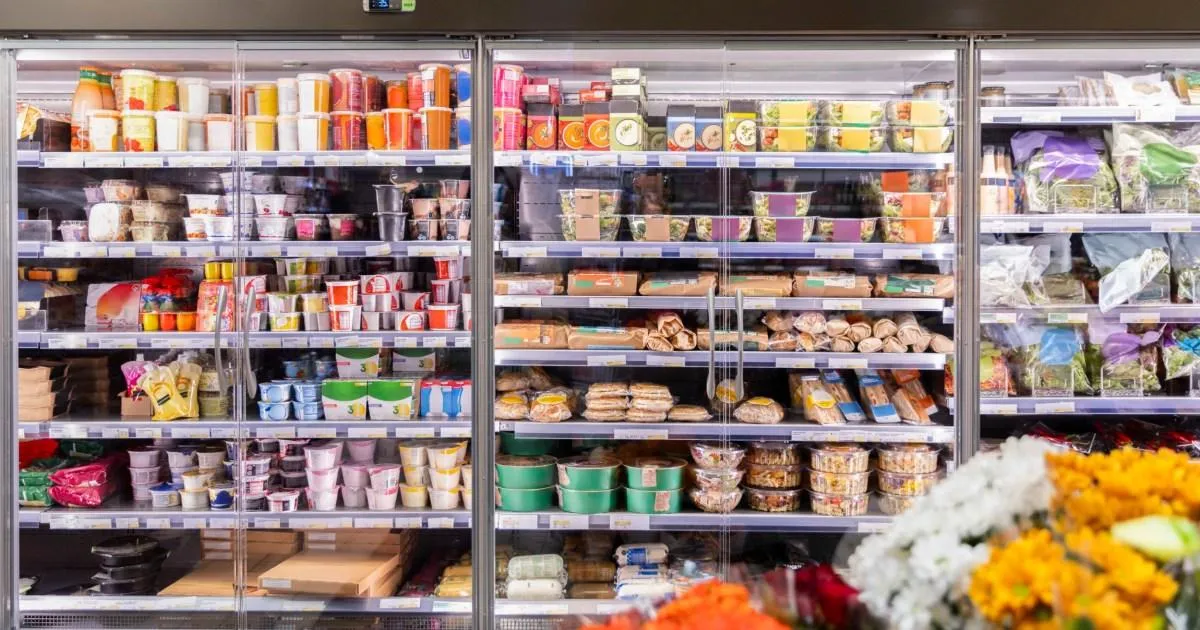
Picture this: you’ve had a long, draining day, and you finally sink into a quiet moment on the sofa. You reach into the fridge for something quick, easy, and comforting. Maybe it’s one of those thick, creamy protein puddings that feel more like a dessert than a health food. You’ve probably seen them in the chilled aisle at the supermarket, lined up in neat rows, promising a satisfying hit of protein without the guilt. Chocolate, salted caramel, vanilla cookie—they’ve become a go-to for gym-goers, busy parents, and anyone trying to make better choices. But suddenly, a news alert breaks through that peaceful moment: Arla Foods, one of the most trusted dairy brands on the shelf, is urgently recalling several of its protein pots because they may contain glass. It’s the kind of statement that makes you stop eating mid-spoonful and look down at your pot with new, suspicious eyes. The thought of tiny, sharp fragments hidden inside something so smooth and creamy is genuinely unsettling. Glass isn’t something you can spot easily in a thick pudding, and swallowing it can cause real harm, from small cuts in the mouth and throat to more serious internal injuries. That’s why this isn’t just a routine quality issue; it’s a safety alert. The recall has been described as precautionary, which means there may not be confirmed glass in every single tub, but the company and the regulators are not willing to take any chances with public health. And why should they? When you’re dealing with something as delicate as your digestive system, even a possible danger is too much. In the next few paragraphs, we’ll walk through exactly which products are affected, what the official advice is, and what you should do if you’ve already bought one. It’s easy to scroll past a recall notice and assume it doesn’t apply to you, but this one deserves attention because the best-before dates stretch well into 2027, meaning these pots could be sitting in fridges, gym bags, office kitchens, or on supermarket shelves right now. Nobody wants to be the person who dismisses a warning and then finds a piece of glass in their spoonful. So let’s take a breath, check the details together, and make sure you’re informed—because a little bit of vigilance can go a long way.
Now for the practical details, because this is where things get specific. Arla Foods is recalling a number of its protein pudding pots, and the recall covers three popular flavours: chocolate, salted caramel, and vanilla cookie. All of the affected products are the 200g size, which is the standard single-serve pot most people buy. It’s important to understand that not every Arla protein pudding is affected. The recall applies only to certain batches, identified by their best-before dates. So if you have a pot in your fridge, don’t panic yet. Just turn it over and look at the packaging carefully. For the chocolate flavour, the affected best-before dates are 11 January 2027, 18 January 2027, 20 January 2027, and 6 February 2027. For salted caramel, the dates are 21 January 2027, 23 January 2027, 31 January 2027, and 2 February 2027. And for vanilla cookie, the affected date is 25 January 2027. These are not dates that have already passed; they’re months away, which makes it all the more likely that affected products are still sitting in supermarkets, convenience stores, or people’s homes right now. If your pot shows one of those dates and one of those flavours, then it is part of the recall and should not be eaten. If your pot has a different flavour or a different date, then it’s probably fine, but it’s always worth checking the company’s official recall notice or the Food Standards Agency website to be absolutely sure. It’s easy to confuse product names or misread a stamped date, especially when the numbers are tiny and printed on shiny plastic. So take your time, maybe even compare the label to the list on your phone. The recall also highlights something important about how food safety works: companies and regulators don’t wait for people to get hurt before acting. They test, they inspect, they investigate. And when something goes wrong, they act quickly, even if that means pulling products off the shelf and asking customers to throw away something they’ve already paid for. It’s inconvenient, yes, but it’s also a reminder that the system is designed to protect you, not to inconvenience you. And in a world where food production is complex and global, that kind of vigilance is more important than ever.
The official warnings from both Arla Foods and the Food Standards Agency have been clear and direct. In a message to customers, Arla explained that the recall was being issued as a precautionary measure due to the possible presence of glass. The wording is important: “possible presence,” not “confirmed presence.” That distinction might sound like a small thing, but it tells you a lot about how food recalls work. The company likely identified a risk during its own internal checks, or a supplier flagged a potential issue, and rather than waiting for a problem to be confirmed in a laboratory or, worse, for someone to get hurt, they decided to act immediately. The Food Standards Agency, which is the government body responsible for food safety in the UK, echoed that warning in even stronger terms. They said that the products may contain glass, which makes them unsafe to eat. They advised anyone who has bought the affected products not to eat them, and instead to return them to the place of purchase for a full refund. That’s a very straightforward message: do not consume, do not just pick around the top, do not try to inspect the pudding to see if you can spot anything. The risk is too great. The FSA also said you could dispose of the product if you prefer, but the most practical option is to take it back to the shop where you bought it and get your money back. Retailers are normally very cooperative with recalls like this, and you don’t usually need a receipt. The whole point is to make it as easy as possible for consumers to get the products out of circulation. So if you’ve got an affected pot, there’s no need to feel embarrassed or awkward about returning it. The staff at the customer service desk have almost certainly been briefed about the recall, and they’ll know exactly what you’re talking about. It might feel like a small hassle, but it’s a hassle that protects you and your family. And it’s worth remembering that no one is going to question you for being cautious. In fact, the company is relying on you to check your fridge and respond. They can’t come to every home and remove the products themselves, so they need you to be their partner in this. That’s why the language is so direct: don’t eat it, return it, get your refund.
If you think you’ve bought one of the affected products, the first thing to do is check the pot. Look at the flavour, the size, and the best-before date. If it matches any of the recalled details, don’t open it. Even if you’ve already opened it and had a few spoonfuls, don’t eat any more. Stop right there. Put the lid back on, or better yet, put the whole pot into a plastic bag and set it aside. Then decide whether you want to return it to the store or dispose of it. Returning it is probably the better option because you’ll get your money back, and it ensures the product is handled properly by the retailer. If you do decide to throw it away, make sure it’s somewhere that children or pets can’t get into it, because a curious toddler or a hungry dog might not understand the warning. It’s also a good idea to wash your hands after handling the packaging, just in case any residue from the pot or the outside is on your skin. If you’ve already eaten the product and you’re worried, don’t panic. The recall is precautionary, and not every affected pot will necessarily contain glass. But if you experience any unusual symptoms, like a pain in your mouth or throat, discomfort in your stomach, or anything that feels out of the ordinary after eating a finished pot, it’s always sensible to contact a healthcare professional for advice. You should also tell anyone you know who might have bought these products. A quick message to a friend, a colleague, or a family member who likes protein puddings could save them from a very unpleasant experience. It’s easy to assume that food recalls are always headline news and everyone will see them, but the reality is that many people don’t watch the news or check food safety websites. They just grab a pot from the shelf and eat it without thinking. So sharing the information is genuinely helpful. You might feel a bit silly sending a text that says “Check your protein pudding!” but it’s a lot better than staying silent and letting someone eat a product that could hurt them. In the end, the inconvenience of checking your fridge and maybe making a trip back to the shop is nothing compared to the potential harm of swallowing glass. And it’s worth remembering that companies don’t issue recalls lightly. They know it costs them money, reputation, and trust. So when they do, it’s because they genuinely believe it’s the right thing to do.
This recall doesn’t exist in a vacuum. It’s part of a wider pattern of food safety alerts that have been popping up across the UK in recent weeks, and it’s a reminder that even our most trusted everyday foods can sometimes carry hidden risks. Around the same time as this Arla recall, there have been urgent warnings about salmonella found in eggs, a “do not consume” warning for a popular Pot Noodle flavour, and a recall of a well-known chocolate product over salmonella fears. That might make it feel like the food system is falling apart, but the truth is actually more reassuring: the system is working. Every one of those recalls represents a potential problem being caught and addressed before it spirals into a major public health crisis. Food production is incredibly complex. It involves farms, factories, supply chains, packaging, transportation, and retail, and at any one of those stages, something can go wrong. A piece of glass in a protein pudding could come from a broken piece of machinery in a factory, a shattered container, or even a raw ingredient that wasn’t properly filtered. It’s not something anyone plans or wants, but the food industry deals with thousands of potential hazards every day, and recalls are a normal part of managing those risks. The Food Standards Agency and other regulators have systems in place to make sure that when a company discovers a problem, they tell the public quickly and clearly. That’s why you see these warnings at all. There was a time when contaminated products stayed on shelves much longer because there was no way to trace them. Today, with barcode technology, batch numbers, and detailed supply chain records, companies can pinpoint exactly which products are affected, even down to the best-before date, and remove them before they cause harm. So while it’s natural to feel a little uneasy when you see a recall for something you might have eaten, it’s actually a sign that the safety net is holding. The danger is not the recall itself; the danger would be if the concern were kept quiet. When a company like Arla steps forward and says, “We might have a problem, here are the exact products, please don’t eat them,” that takes courage and accountability. They’re choosing transparency over profit, and in the long run, that’s what builds consumer trust.
So where does that leave you? It leaves you informed, which is the best place to be. Yes, it’s unsettling to hear that a product you’ve probably bought many times has been recalled over possible glass. But now you know exactly what to look for, and you know what to do if you find an affected pot. You can check your fridge, check the dates, and make a decision with confidence. If your pot is not on the list, you can enjoy it without worry. If it is on the list, you can return it and get your money back, and that will be the end of it. A recall like this is not a judgment on you, and it’s not a reason to swear off puddings forever. It’s simply a reminder that we live in a world where things sometimes go wrong, and when they do, our safety depends on clear communication and quick action. Arla has asked customers not to consume the affected products, and the Food Standards Agency has backed that up with its own warning. That’s as clear as it gets. If you know someone who buys these protein pots, take a moment to send them this information. It could genuinely make a difference. And if you want to stay ahead of future alerts, there are easy ways to keep yourself informed, whether that’s signing up for email updates from the Food Standards Agency, checking the recall pages on the government website, or simply paying attention to the news. It feels like something that happens to other people, until it affects you. And then a simple recall becomes personal, a rule in your household, a thing you tell your friends about. That’s okay. That’s how community safety works. It’s one person checking their fridge, another person sharing a warning, and a company doing the right thing. So keep this in mind the next time you reach for a protein pudding: look at the label, trust the process, and if anything ever seems uncertain, remember that a moment of caution is always worth it. No snack is so important that it’s worth risking your health. In the end, the recall is a bumpy moment for Arla, but it’s also an opportunity for all of us to appreciate the people whose job it is to keep our food safe. They don’t always get it right, and they sometimes have to make difficult decisions, but when they do, they usually do it for the right reasons. And that’s something to feel good about, even when the news is a little alarming. So check your fridge, share the warning, and go about your day with a little more awareness and a little less worry. You’ve got this, and you’ve got the information you need to make the right choice.