

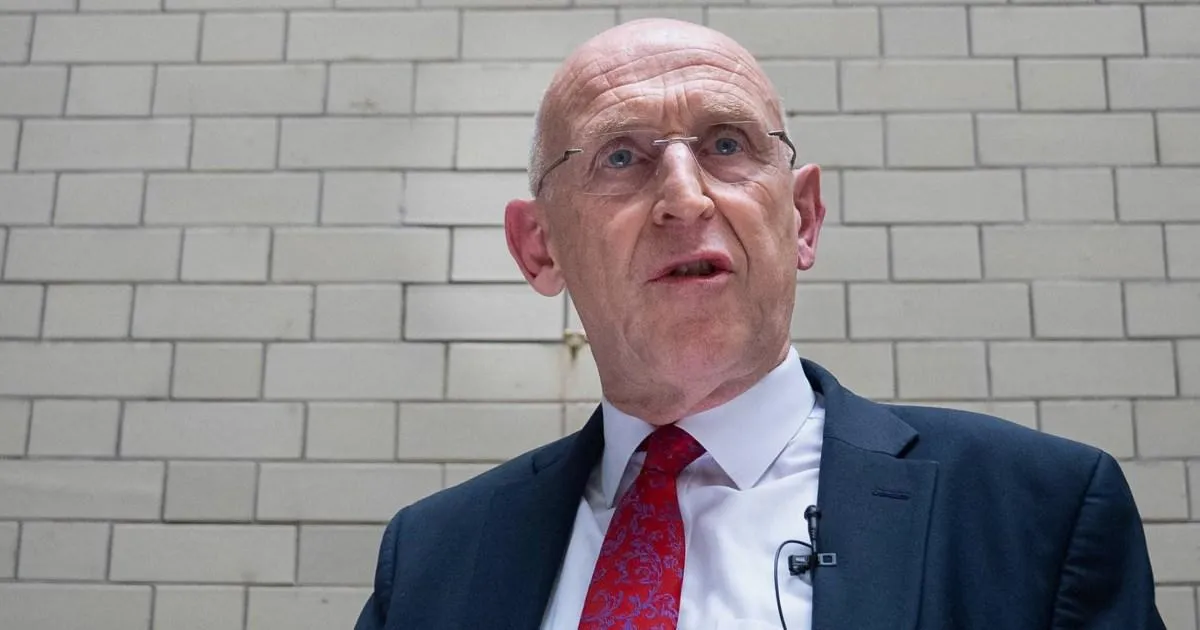
Picture this: you open your banking app on a Thursday morning, expecting to check your balance, and instead you find that a chunk of money has vanished. No court order. No warning knock on the door. No frantic call from a bailiff. Just a footnote from HMRC saying they’ve helped themselves to cash from your current account or savings. That may sound like something from a dystopian novel, but according to reports, it could become a reality for millions of people in the UK. Chancellor John Healey is reportedly set to announce a major crackdown in Wednesday’s Budget, giving tax officials the power to automatically deduct unpaid tax directly from bank accounts. The plan targets an estimated 4.8 million individuals and businesses who collectively owe around £4 billion in tax, with each individual tax bill averaging a surprisingly modest £950. These are not necessarily the super-rich hiding millions in offshore trusts; they are often people who have slipped through the cracks, missed a letter, made a mistake on a self-assessment form, or simply couldn’t afford to pay on time. But under the proposed changes, HMRC would no longer need to jump through hoops to get the money back. They’d just take it.
To understand how big a shift this is, you need to know how things work now. At the moment, HMRC has a tool called Direct Recovery of Debt, which allows it to take money directly from someone’s bank account, but only under strict conditions. The taxpayer must owe more than £1,000, and they must be left with at least £5,000 in their account after the deduction. That second safeguard is important because it means HMRC can’t empty someone’s account and leave them destitute. But according to The Times, the government wants to slash that threshold dramatically, cutting it from £1,000 and £5,000 down to just a few pounds. That means even someone who owes a relatively tiny amount of tax could have the money taken out of their account automatically, with no court process involved. It’s a breathtaking expansion of state power, and it’s being sold as a way to chase down the so-called “tax gap” — the difference between what is owed and what is actually collected. On paper, the sums involved are huge: 4.8 million people and businesses owe less than £10,000 each, but together that adds up to around £4 billion. That’s real money, money that could fund hospitals, schools, or roads. But the human reality is more complicated, because not everyone in that group is a deliberate tax dodger.
The phrase “tax-dodging” conjures up images of billionaires with accountants and shell companies, but that’s not who this policy would mostly affect. A huge number of people in this category are just normal people trying to get by. Some are self-employed workers who didn’t realise they owed tax because their income fluctuated from year to year. Some are parents who were entitled to tax credits but didn’t update their details after a change in circumstances. Some are elderly people who receive confusing letters from HMRC and bury them in a kitchen drawer because they don’t understand them. Some are people who became ill, lost their job, or went through a divorce, and simply couldn’t pay on time. They may not have deliberately avoided paying anything; they may just have fallen behind, often due to circumstances beyond their control. Yet under the proposed new rules, HMRC could automatically deduct outstanding tax, plus fines and interest, directly from their bank accounts. According to reports, the government is also considering using credit reference agencies to assess the finances of those targeted, to work out how much they can afford to repay. Previous proposals suggested that deductions could be capped at 50% of disposable income, which sounds like a safeguard, but 50% is still a lot for someone already living hand-to-mouth. Meanwhile, anyone affected would be responsible for challenging the decision, meaning the burden would be on the individual to prove they shouldn’t have had their money taken, rather than on HMRC to prove they should.
That’s a terrifying prospect for people who are already vulnerable. Imagine you’re a cleaner who works cash-in-hand jobs, but HMRC thinks you owe tax on undeclared income. You’ve never received the letters because you moved last year and didn’t update your address. The deadline passes, interest accrues, and suddenly HMRC takes £1,500 from your account. Your rent is due in two days. Your electricity bill is about to bounce. You have no idea why the money is gone, and when you try to call HMRC, you’re stuck on hold for an hour. That’s not hypothetical; critics say it’s almost inevitable. Dan Neidle, founder of Tax Policy Associates, warned that automated systems are not good at distinguishing between deliberate non-payment and genuine difficulties. A computer doesn’t know you’re in hospital. A computer doesn’t know you’re caring for a sick relative. A computer doesn’t know you’ve been a victim of fraud. It just sees a debt and takes the money. Even if you manage to challenge the decision later, you might have already missed a mortgage payment, incurred overdraft fees, or been left unable to buy food for the week. The government says there will be “rigorous” protections for vulnerable groups, but so far those protections have not been spelled out in detail, and critics argue that the policy is being rushed through in a Budget announcement with very little scrutiny. At what point is a vulnerable person identified? Before the money is taken, or after they complain? If it’s after, then the damage may already be done.
There’s also a broader political context to all of this. The Chancellor wants to be seen as tough on tax avoidance and evasion, particularly after years of scandals and public anger about the tax gap. In an economic climate where every penny counts, it’s politically convenient to announce a crackdown on people who owe money to the state. It allows the government to say they are being fair, that they are collecting what is rightfully owed, and that they are using the proceeds to improve public services. But there is a danger that this policy becomes a stick to beat the poor rather than a scalpel to cut out real fraud. The people who owe less than £10,000 are often the ones least able to afford professional tax advice, while the wealthy can hire accountants to navigate the system and find loopholes. It’s also worth noting that the current rules, which require a court order in many cases, exist for a reason: because taking money from someone’s bank account is a serious infringement on their liberty and financial security. Removing that safeguard, and allowing tax officials to act as judge, jury, and bank manager, could set a dangerous precedent. Yes, HMRC should be able to collect tax debts efficiently, but efficiency should not come at the expense of fairness, transparency, or due process. The government has not yet responded to questions about how the system would work in practice, and the Treasury has been contacted for comment, but the reports have already sparked alarm among campaigners, accountants, and civil liberties groups.
So what should you do if you think this could affect you? First of all, if you have an outstanding tax bill, no matter how small, don’t ignore it. Ignoring a letter from HMRC is not a strategy; it’s a recipe for disaster. If you’re struggling to pay, contact HMRC as soon as possible and ask about setting up a payment plan. HMRC is often more flexible than people expect, especially if you can show you’re making a genuine effort. You can also seek help from money advice charities like Citizens Advice, TaxAid, or StepChange, which can help you understand your rights and negotiate on your behalf. And if you do find that money has been taken out of your account and you don’t know why, don’t panic. Ask for a breakdown of the debt, check whether the calculations are correct, and appeal if you believe there’s been a mistake. But the real responsibility here lies with the government. If they are going to take money from people’s bank accounts automatically, they must build in robust safeguards that protect the vulnerable, ensure nobody is left without the means to cover basic living costs, and give people the right to appeal before the money is taken, not just after. At its best, this policy could make tax collection more efficient and ensure that everyone pays their fair share. At its worst, it could leave the most vulnerable people in society with empty bank accounts and nowhere to turn. The truth is, tax is not just about numbers; it’s about trust. And if the government starts seizing money from ordinary people’s bank accounts without proper protections, that trust will be very hard to rebuild.