


Here’s the humanized, expanded summary in six paragraphs.
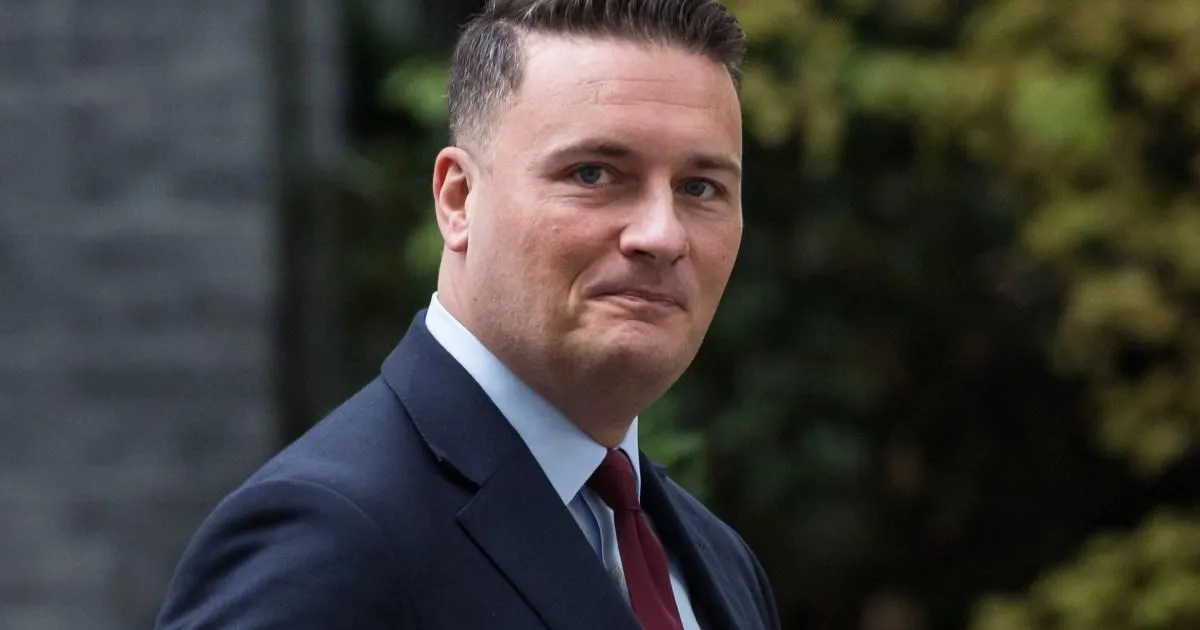
It’s easy to feel like talk of national threats belongs to another era—blackout curtains, sirens, and stern men in uniform. But the British government has just launched a new campaign that aims to bring preparedness into the modern age, and it’s designed not to frighten anyone but to help ordinary people feel more in control. Defence Secretary Wes Streeting announced the “Be Ready” initiative, a fresh push to get households across the UK thinking about how they’d cope if everyday life was suddenly interrupted. The threats on the table are not imaginary: extreme weather, sophisticated cyber attacks, and what Streeting calls “state-sponsored terrorism.” Yet the message is far from doom-laden. Instead, it’s framed around practical, small steps that anyone can take, like having a few extra bottles of water in the cupboard or knowing whether your utilities provider can check on you during a crisis. It’s about building resilience in the same way you’d build an emergency fund or buy a decent lock for your front door—sensible, calm, and quietly reassuring. Streeting was careful to say that this isn’t about turning every living room into a bunker; it’s about making sure that if disruption comes, communities can hold together and look after each other. The campaign will run for three years, popping up on social media, radio adverts, and probably a few billboards, with the simple underlying question: are you ready?
So what does “being ready” actually look like in practice? The campaign is built around the idea of coping with “three days of disruption”—a concept borrowed from similar public safety approaches in France, Ireland, and the Netherlands. That’s not a random number; it’s a manageable timeframe that gives emergency services space to respond without people feeling abandoned. The guidance is refreshingly straightforward. One of the key suggestions is signing up for the Priority Services Register, a free service that lets utility companies know which households might need extra support during an outage or emergency. That includes elderly people, those with medical conditions, families with young children, or anyone who relies on electricity for vital equipment. It’s the kind of quiet, behind-the-scenes measure that could make a huge difference in a real crisis. Beyond that, households are encouraged to stock up on non-perishable food and bottled water—nothing extreme, just enough to see a family through a few days if shops close or supply chains hiccup. The tone is all about practicality, not panic-buying. You’re not being told to hoard tins for years; you’re being gently nudged to keep a few extra essentials on hand, the way you might before a winter storm. By borrowing ideas from other European countries, the government is acknowledging that this isn’t revolutionary—it’s good common sense that many places already embrace.
Streeting made his announcement at a new tank gun barrel factory in Telford, a symbolic location that connected the dots between hard military capability and softer civilian preparedness. His words were direct and thoughtful. “We have to step up and take seriously our national resilience as well as our national defence,” he said. He then pivoted to the personal: “It’s really important that we ask households and businesses, are they prepared? Are they ready? Do they know how they would respond in the event of everyday challenges that might manifest themselves?” That last phrase is telling—he’s not just talking about missiles or foreign invasions. He’s talking about the kind of challenges that already feel uncomfortably familiar: power cuts, flooded roads, water shortages, cyber attacks that freeze bank accounts or hospital systems. He also highlighted a particular kind of threat that occupies the minds of security officials, known by names like hybrid warfare or grey zone conflict. Streeting prefers to call it “state-sponsored terrorism,” because it’s more honest about the fact that hostile states are deliberately targeting civilians through covert means. These attacks are often deniable, frustratingly tricky to pin down, and designed to disrupt ordinary life rather than flatten buildings. The defence secretary specifically pointed to “increasingly sophisticated cyber attacks” as a major concern. But again, the response isn’t to hide under the bed; it’s to make sure that even if systems fail, people have the basic tools to look after themselves for a few days.
Streeting isn’t alone in pushing this message. His remarks echo warnings from some of the country’s most senior security figures. Army chief Sir Roly Walker has been unusually outspoken recently, suggesting that British people will soon need to make sacrifices and think about national preparedness in more personal terms. Then there’s MI5 director general Sir Ken McCallum, who in his annual threat update speech delivered a message that was both serious and oddly uplifting. “You have a stake in our national resilience,” he told the public. “You too have a vital role to play. It might be quiet, it might be lifesaving. It all counts.” That sentiment sits at the heart of the “Be Ready” campaign. It’s an acknowledgement that in a world of complex threats, the government can’t do everything alone. Civil servants, agencies, and the military can build systems and share intelligence, but the last mile of resilience is walked by ordinary people in their own homes. When you know your elderly neighbour’s phone number, when you’ve got a torch with batteries that work, when you’ve signed up for a register that tells the water company you need extra help—that’s not paranoia. That’s citizenship. It’s a quiet form of defence that doesn’t require a uniform. The fact that leaders in the armed forces and intelligence services are all singing from the same hymn sheet suggests this is a genuine strategic priority, not just political filler.
If all of this sounds a little daunting, it’s worth remembering what the campaign is not. It’s not a warning that the end of the world is nigh, and it’s not asking anyone to build a survivalist compound in their back garden. The “three days of disruption” framework is deliberately modest because the point is to take the fear out of emergencies. Think of it like preparing for a severe storm: you might not need to do much, but a few simple steps can turn a scary night into an inconvenience. Most people already do versions of this without thinking—keeping a first aid kit in the car, making sure the phone is charged before a long journey, checking on an older relative during a heatwave. The “Be Ready” campaign just wants to formalise that instinct and extend it a little further. Signing up for the Priority Services Register is a five-minute online form, and it could be genuinely lifesaving for someone with a dialysis machine or a stairlift. Stocking extra water and tinned food is something many families do for holidays or house guests anyway. The campaign’s real goal is to build a culture of preparedness, where being ready for disruption feels as normal as having smoke detectors or locking your front door. That kind of mindset doesn’t just help in a national emergency; it helps in everyday life, from unexpected job losses to localised flooding. It’s about taking responsibility for yourself and, by extension, taking pressure off the people who need to focus on helping those most in need.
Ultimately, the “Be Ready” campaign is an invitation to be part of a bigger team. It’s a gentle but clear message from the top that national security isn’t a spectator sport. The government will keep doing its job—strengthening defence, protecting borders, tracking threats—but citizens can play their part too, and it doesn’t require heroic effort. A few extra groceries, a signed register form, a conversation with a neighbour about how they’d manage in a power cut—these are the building blocks of resilience. Streeting’s language around “state-sponsored terrorism” might sound dramatic, but his recommended response is wonderfully undramatic. Be sensible. Be prepared. Be kind. Look out for yourself and look out for each other. The campaign will be around for the next three years, nudging people gently through adverts and social media posts. It won’t make the world perfectly safe, and it’s not pretending that it can. But it does something just as important: it replaces helplessness with agency. If the worst happens, whether it’s a cyber attack that shuts down the grid or a storm that cuts off a town, the people who will cope best are those who took ten minutes to get ready. And that’s true for all of us. The message isn’t “be scared.” It’s “be ready.” And being ready is something we can all do, together.