
Here is a humanized summary of the story, expanded into six paragraphs.
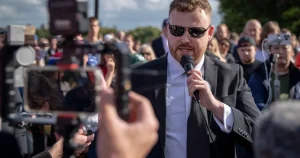
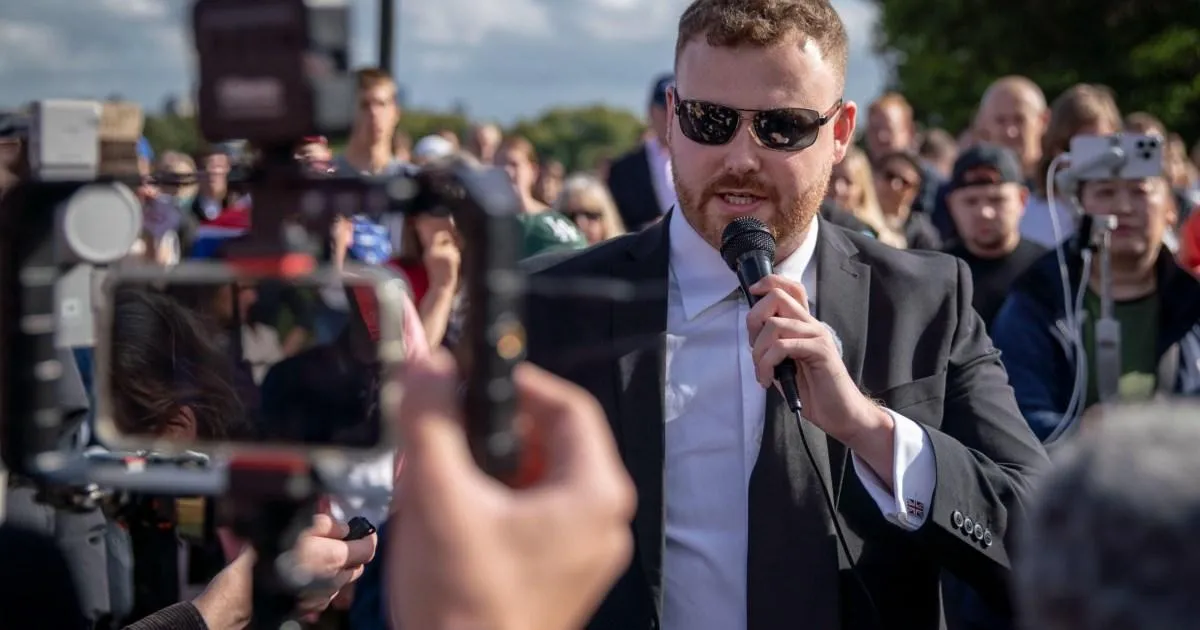
Picture the scene: you are at a major political conference in 2022, surrounded by activists, strategists, and ambitious young people hoping to shape the future of the Conservative Party. In the middle of all this, a prominent figure leans in to chat with someone he believes is a journalist, and casually starts describing the going rates for violent crime as if he were reading off a menu. That is the surreal, deeply unsettling scenario now engulfing Jack Ross, the chief executive of Turning Point UK, who has been suspended from the Conservative Party after secret footage emerged of him apparently discussing contract killings. The video, captured during the Tory Party Conference and featured in an Al Jazeera documentary, shows Ross apparently explaining to an undercover reporter exactly what his criminal contacts can do to someone, and for what price. The list grows more chilling by the second: kicking someone senseless, cutting their face, stabbing, shooting, and even killing. For anyone watching, the disconnect between the polite, buttoned-up world of Westminster and the brutal reality being described is staggering.
The footage itself is remarkably casual, which makes it all the more disturbing. Ross does not sound like a man nervously revealing a dark secret; he sounds matter-of-fact, almost helpful. “They can just kick the f*** out of someone, and that’s a certain amount,” he says in the clip. “They can start cutting people’s faces up, that’s another amount. They can stab someone, they can shoot someone, they can kill someone.” The implication is that these are services available for hire, with varying price tags depending on the severity of the harm. He even appears to explain logistics, saying that his contacts could either drive down from Scotland or use people already based in London to help. For a man who has positioned himself as a leading voice in British right-wing youth politics, the allegation is explosive. It suggests not just a taste for tough talk, but a purported willingness to connect someone with violent criminals for real-world consequences. The undercover reporter had been testing him, and Ross apparently took the bait, playing the role of an influencer with underworld connections.
The investigation goes even deeper than that one conversation. Al Jazeera’s documentary looks at links between the British right-wing and a violent criminal based in Glasgow, and Ross seems to have tried to facilitate a meeting between the reporter and this contact. In separate footage, he appears willing to set up a sit-down so the journalist could discuss a problem with what was supposedly a family business. That meeting took place in a London hotel, and the criminal contact allegedly explained how one might cover up a murder by making it look like a drink-driving accident. He seemed to suggest he had done this sort of thing before, adding a layer of menace to an already alarming story. The whole sequence paints a picture of a shadowy intersection between political activism and serious crime, where favours are traded and violence is discussed in hushed tones far from the conference halls. It reads less like a political scandal and more like a script for a particularly grim crime drama, except that it is real, and it now threatens to unravel Ross’s career.
The immediate fallout has been swift. The Conservative Party confirmed that Ross’s membership has been suspended with immediate effect while an investigation takes place, and they have declined to comment further while that process unfolds. Police Scotland has also said it is aware of the documentary and will review and assess its contents for any potential criminality. Ross, for his part, has denied the allegations completely. Through Al Jazeera’s reporting, he said the suggestions he made to the undercover journalist were not meant to be taken seriously. That defence may be hard to sustain given the specific nature of the conversation and the later meeting with the alleged criminal contact, but it is the one he is offering. For now, he remains the CEO of Turning Point UK, and attempts to reach him through that organisation for further comment have not yielded any public response. The story is developing, and the legal and political implications are far from settled, but the damage to his reputation is already significant.
To understand why this matters beyond the individual, it helps to know who Jack Ross is. He is not a fringe figure hiding in the shadows. He has been one of the most prominent faces of Turning Point UK, the British offshoot of the American organisation founded by Charlie Kirk, which has become a loud and aggressive voice in youth politics on the right. Ross has appeared in a video released by Conservative leader Kemi Badenoch, showing her meeting with him and other Turning Point activists to discuss Kirk and his legacy. He has also been photographed with Boris Johnson, James Cleverly, and Jacob Rees-Mogg, a clear sign that he moved in influential circles. He was a Conservative council candidate, and while he may not be a household name to the general public, he has been a significant figure in the party’s youth ecosystem. That makes these allegations even more troubling, because they suggest that someone with access to senior political figures may have been simultaneously boasting about connections to serious criminals.
Ultimately, this story is about more than one man’s apparent misjudgement or bizarre bravado. It raises serious questions about the culture of the Conservative Party, the company some of its members keep, and how easily extreme behaviour can hide behind a polished public image. The party’s quick decision to suspend Ross suggests an awareness of just how damaging this could be, especially at a time when the Tories are trying to rebuild their reputation and define their future after a difficult period. But the investigation is only beginning, and the police review means there could be legal consequences as well. For the wider public, the footage is a stark reminder that politics is not always about policy papers and wholesome photo opportunities. Sometimes it is about secret recordings, violent threats, and the uncomfortable proximity of power to people who are willing to do terrible things. Ross has insisted it was all a joke, but the laughter has died down, and now he has to answer for what he actually said. In the meantime, the rest of us are left to wonder how someone so close to the heart of British conservatism thought it was acceptable to talk about murder as if it were just another business transaction.