


At just 16 years old, I find myself looking at the state of British politics not with the excitement of an emerging citizen, but with a profound sense of exhaustion. My earliest political memory dates back to 2022, when, as a twelve-year-old, I watched the rapid-fire resignations of Boris Johnson and Liz Truss. To a child, the constant cycle of scandals, “Partygate,” and economic chaos felt like observing a house on fire from the inside. Now, four years later, that formative experience has curdled into deep-seated skepticism. Watching the machinery of government stutter and fail over and over, I am forced to ask why any young person would want to participate in a system that feels less like a functioning democracy and more like a never-ending cycle of painting over cracks in a crumbling wall.
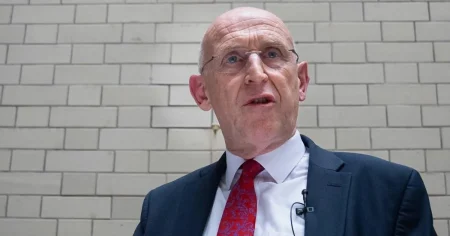
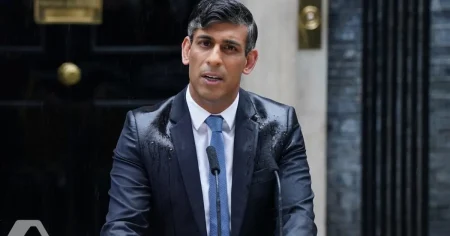
The recent resignation of Sir Keir Starmer has only deepened this disillusionment. In 2024, there was a palpable sense of hope surrounding Labour; they campaigned on “change” after over a decade of Conservative mismanagement. Yet, witnessing the very party that promised stability turn on its own leader—a man hailed as a savior mere years ago—felt like a betrayal of that mandate. Watching his voice crack during his resignation speech, I wasn’t filled with empathy, but rather with a weary cynicism about the inevitable future of whoever takes his place. It isn’t just that promises were broken; it is the utter lack of accountability. There is no ownership of failure, only a shuffling of deck chairs that leaves those of us on the sidelines feeling more convinced than ever that the system is broken beyond repair.
My frustration extends beyond the mainstream parties to the fringe alternatives, neither of which feel like a viable solution. The Green Party, despite their commendable focus on youth engagement and mental health, puts forward economic policies that many experts view as fiscally ruinous, appearing to rely on an idealism that doesn’t survive contact with reality. On the other side, Reform UK offers an ideological platform marred by a history of divisive, exclusionary rhetoric that feels completely out of sync with a modern, progressive generation. It is demoralizing to be a young person with a genuine interest in policy, realizing that your options are between incompetent management, broken promises, or platforms that seem to actively work against the future we will have to inhabit.
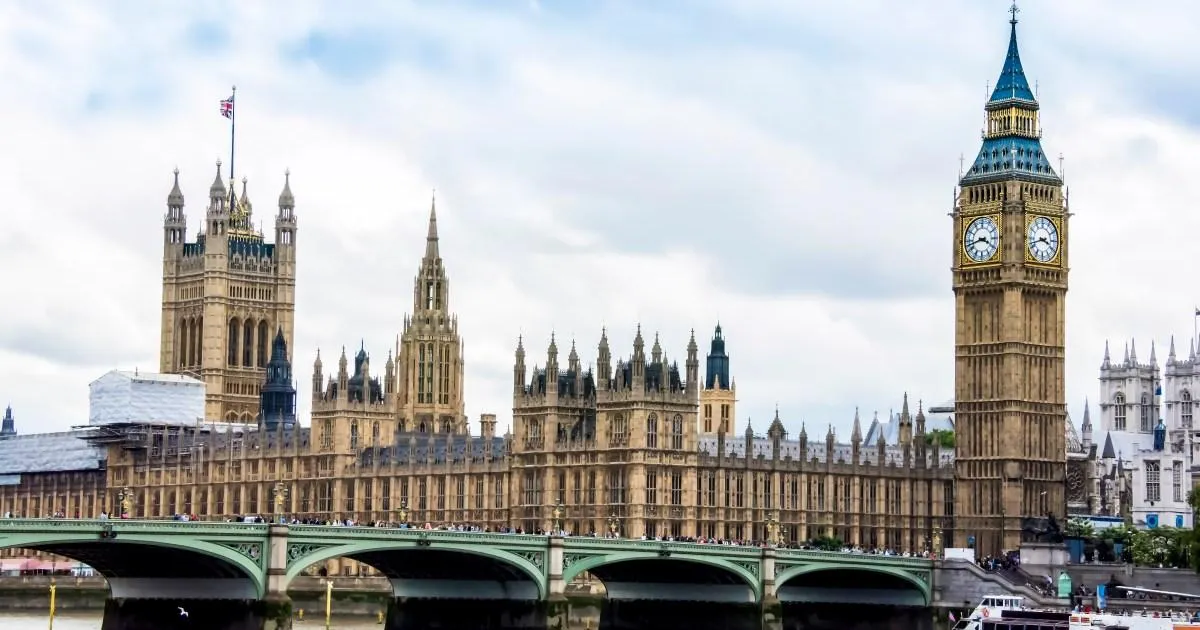
The disconnect is made worse by the way adults and politicians interact with my generation. Whenever teenagers try to enter the political conversation, we are rarely met with respect; we are patronized, dismissed as “naive,” or occasionally used as props in cringeworthy attempts at relatability. Politicians will speak at length about how they “care” about the youth, yet they abandon our needs the moment they reach office—dropping tuition fee pledges the second it becomes politically convenient to do so. This performative engagement highlights a glaring lack of authenticity. They don’t understand us because they don’t treat us as peers. They assume that wisdom only comes with age, yet they fail to see that our generation’s digital and global literacy makes us just as capable of identifying structural rot as any seasoned veteran in Westminster.
To bridge this expanding chasm, radical change is needed, not just in policy, but in the architecture of our representation. We need mandatory quotas for young MPs under 21 to ensure that the “digitally native” perspective isn’t just an afterthought but a fixture of the House of Commons. Furthermore, we need to enforce accountability: political manifestos should be legally binding, with the failure to deliver on key promises triggering a mandatory new election. Such a move would force honesty into the system, deterring the empty rhetoric that has defined my entire adolescent experience. Until these institutional barriers are broken and young people are treated as legitimate stakeholders, the debate over expanding the vote to 16-year-olds feels premature; you cannot invite us to a table that is already collapsing.
Ultimately, my stance remains firm: my ballot would currently sit empty. I have grown up, changed, and developed my own worldview over these last four years, yet Downing Street remains defined by the same chaos and instability that defined my arrival into the world of politics. It is heartbreaking to watch the architects of our nation succumb to the same cycles of resignation and infighting, leaving my generation to inherit the debris. If the powers that be truly want our trust, they must stop asking for it and start earning it by delivering a reality that resembles the stability they promised. Until that day comes, I will continue to observe from the sidelines, waiting for the day when the system is finally as serious as the young people it claims to represent.