

As we approach the tenth anniversary of the Brexit vote, it is becoming increasingly clear that the seismic shift of 2016 did more than just alter our trade or immigration policies; it fundamentally rewired the British political psyche. While the immediate consequences—economic instability, the promise of blue passports, and the complex fallout of the pandemic—are well-documented, a more toxic byproduct has taken root. Our national temperament has become addicted to chaos. We have moved from a culture of stability to one that treats the sudden, dramatic exit of a leader as a routine feature of the calendar. This transformation has not been limited to the Westminster “bubble” of journalists and politicians; it has cascaded down to the public, creating an environment where stability feels like a relic of a bygone era.
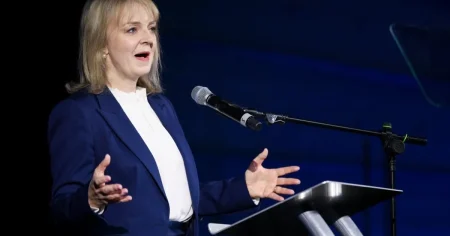
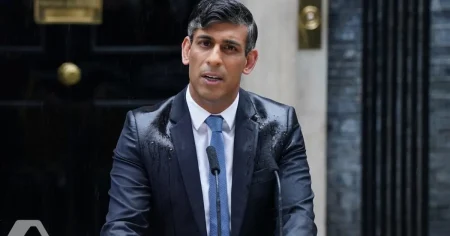
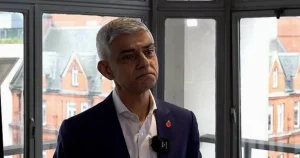
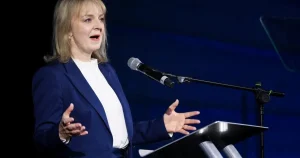
The evidence for this shift is starkly represented by the revolving door at 10 Downing Street. Seeing six prime ministers come and go in a single decade is a historical anomaly that suggests something has fundamentally broken in our political machinery. While each departure—from Cameron’s resignation to Sunak’s electoral defeat—had its own unique catalyst, the cumulative effect has been a numbing of the electorate’s sensitivity to instability. We have lived through so much upheaval that we are no longer shocked by it; instead, we have developed a collective tolerance, perhaps even an expectation, for the constant dismantling of leadership. The constant volatility has become the background noise of our national life.
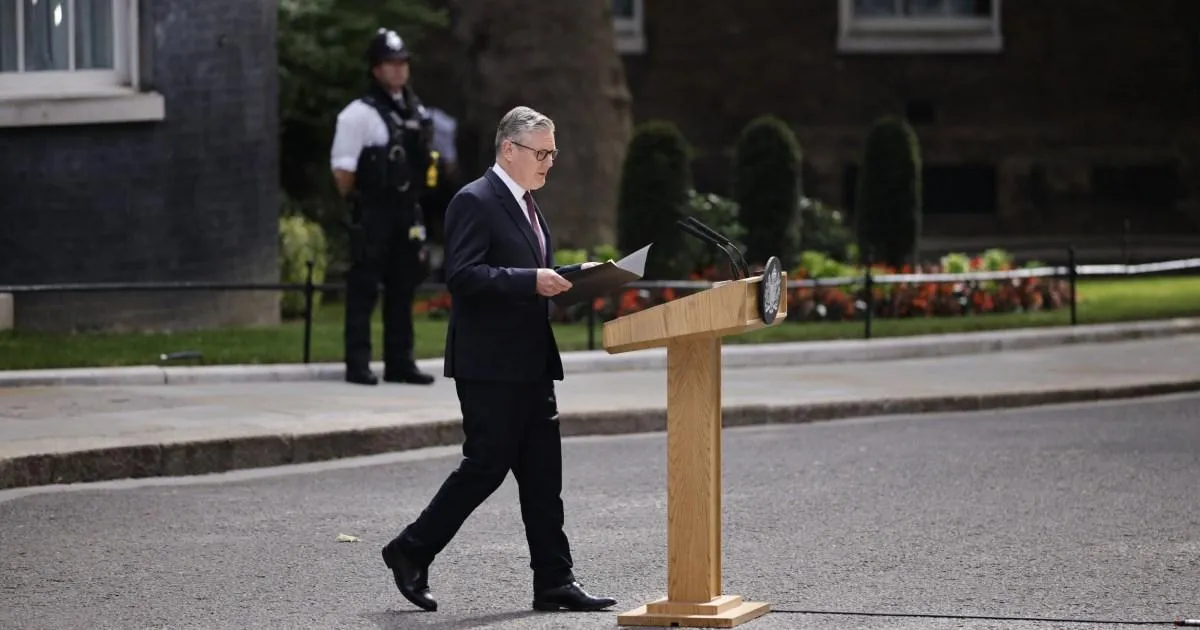
The downfall of Sir Keir Starmer serves as a poignant, if complex, case study in this new era of British governance. Unlike past leaders who fell due to singular, explosive scandals, Starmer’s exit feels more like the result of a gradual accumulation of minor grievances and a pervasive “vibe” of dissatisfaction. While he certainly faced genuine policy failures and mounting pressure from the rise of Reform UK, the speed at which his own party lost faith in him remains striking. With more ministerial resignations than any prime minister since 1979 during a similar timeframe, it is clear that the machinery of his government simply ceased to function. The question, however, is whether he would have been ejected so swiftly if the culture of the last ten years hadn’t taught us that the “regicide” of a leader is a simple, viable solution to political frustration.
This culture of disposability has created a perilous feedback loop between the public and politicians. When a population becomes accustomed to pandemonium, the threshold for patience vanishes. We no longer ask whether a leader can grow into their role or navigate a difficult storm; we simply ask when the next change will arrive. This atmosphere of perpetual instability makes governing nearly impossible, as any small error or unpopular policy decision is immediately amplified by the public’s ingrained anticipation of a collapse. Leaders are no longer given the long-term runway that figures like Thatcher or Blair once enjoyed; they are expected to be perfect immediately, or face the consequences of an unforgiving, restless electorate.
While one could argue that Starmer’s authority might have eroded under any circumstances, it is difficult to ignore the environment in which that erosion occurred. A parliament that has developed a “regicide habit” is a predatory place for any Prime Minister. Every policy disagreement now carries the threat of total government collapse, turning minor administrative hiccups into existential crises. If our political system has lost the capacity for continuity, it is because we, as a society, have lost our commitment to it. We have traded the messy, often slow process of holding leaders to account through steady governance for the instant, adrenaline-fueled gratification of constant change.
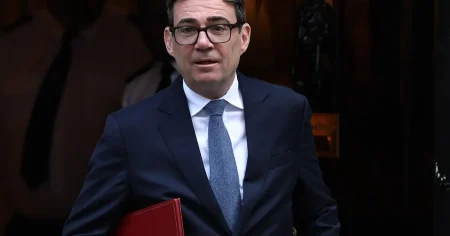
As we look toward the future, these lessons are vital for whoever steps onto that podium next, including rumored contenders like Andy Burnham. The modern British political landscape is now characterized by deep-seated suspicion and a lack of institutional cohesion that makes every leader vulnerable. Unless we examine how the last ten years have eroded our patience and our political resilience, we are doomed to repeat this cycle indefinitely. We have spent a decade learning how to tear down our leaders; perhaps now, we need to consider what it would take to actually sustain one. The true legacy of our current era isn’t just the policy changes of the last decade, but the lingering, restless instability that now defines the very heart of our democracy.