

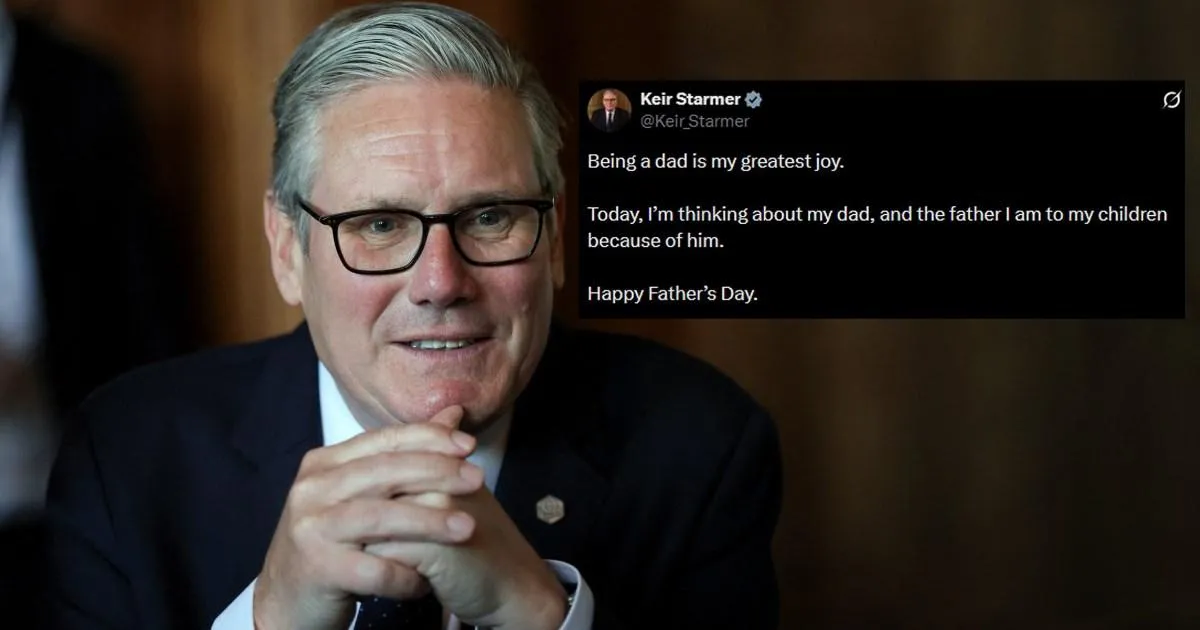
This Father’s Day, Prime Minister Keir Starmer found himself caught in the crosshairs of an intense political storm while attempting to share a moment of personal reflection. Amid mounting whispers about his future at Number 10, he took to social media to post a touching tribute, describing fatherhood as his “greatest joy.” However, the warmth of his message stood in stark contrast to the cold reality of the political walls closing in around him. While he spoke of his gratitude for his own father and the lessons he now passes down to his children, the corridors of Westminster were buzzing with the speculation that his time as Prime Minister may be drawing to a swift and quiet conclusion.
The pressure on Sir Keir has shifted from a low rumble to a roar, with senior figures within his own Cabinet reportedly urging him to consider his exit. The list of those said to be advising him to step aside is a “who’s who” of the Labour hierarchy, including Foreign Secretary Yvette Cooper, Home Secretary Shabana Mahmood, Transport Secretary Heidi Alexander, and Ed Miliband. These aren’t just political rivals; they are his close colleagues and institutional pillars, suggesting that the consensus for change has reached the very top of his administration. Reports indicate that Sir Keir has spent the weekend in deep consultation with his wife, Victoria, and his family, weighing the immense personal cost of the leadership struggle against his responsibility to the nation.
Business Secretary Peter Kyle, appearing on the BBC, offered a carefully measured, if somewhat ominous, acknowledgment of the situation. He framed the ongoing discussions as a period of necessary reflection on “political challenges” and the urgent need to maintain the government’s authority. By emphasizing that Sir Keir is someone who “always puts the country first,” Kyle hinted that an exit strategy might be the final act of a leader looking to ensure stability. The focus now is on how to navigate this transition smoothly, with reports suggesting that the Prime Minister could prepare to outline his departure plan as early as Monday morning.
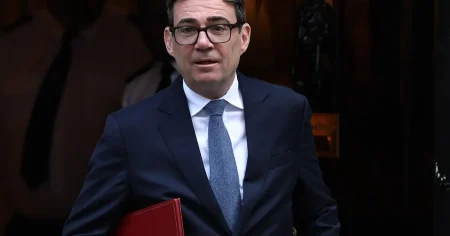
The shadow of a potential successor has already begun to loom large, with Andy Burnham positioned as the frontrunner. Burnham, having recently secured an emphatic victory in Makerfield, is currently viewed by many in the party as the candidate with the right temperament to steady the ship. Peter Kyle noted that Burnham possesses the specific qualifications needed to take the helm, signaling that the party is already looking toward a future beyond Starmer. If the Prime Minister does resign on Monday, Britain will face the historical milestone of swearing in its seventh Prime Minister in just ten years—a sobering testament to the rapid cycles of leadership that have defined recent British politics.
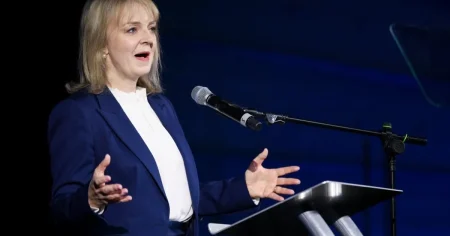
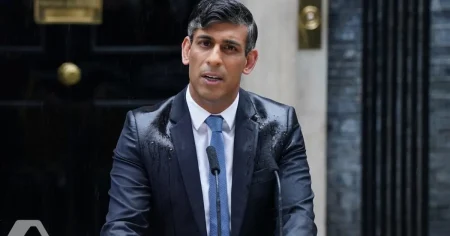
The prospect of a seamless transition, however, is being met with a note of caution from those who have been there before. Former Prime Minister Rishi Sunak, writing in the Sunday Times, issued a warning to any would-be successor: simply having a reputation as a “better communicator” or winning by default is not a substitute for a genuine democratic mandate. Drawing on his own experience taking over from Liz Truss, Mr. Sunak candidly admitted that his lack of a formal leadership contest left his authority feeling fragile and forced him to honor priorities that were not his own. He advised that any new leader must enter the fray with an ironclad, achievable plan from day one, rather than relying on the momentum of a parliamentary power shift.
Ultimately, this weekend marks a pivotal moment for the United Kingdom, where the personal life of a leader intersects with the harsh realities of governance. As Sir Keir Starmer reflects on his role as a father, the nation watches to see if he will choose to prioritize his legacy and his family’s peace over the grueling demands of his office. Whether he stays to fight or bows out gracefully, the sense of uncertainty that has gripped the country remains palpable. For the public, caught in the middle of this Westminster turbulence, the hope is for the kind of stability that survives beyond the next headline, ensuring that whoever sits in the Prime Minister’s chair is ultimately focused on the people they serve.