

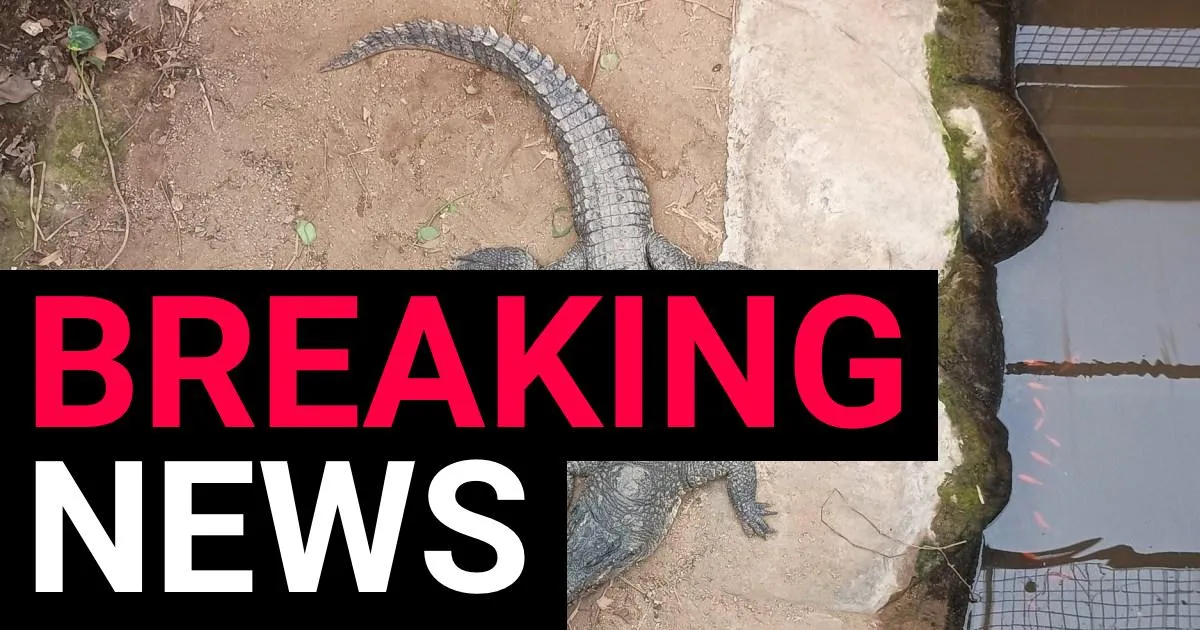
In a heart-wrenching incident that has shaken the small, quiet community of Huntingdon, a three-year-old boy recently faced a brush with death at the Johnsons of Old Hurst zoo. On a seemingly ordinary Thursday, a day meant for family outings and discovery, the young child suffered severe injuries after being allegedly thrown into a crocodile enclosure. The sheer terror of the event stunned those present at the family-run facility, leaving onlookers and staffers alike in a state of shock as they witnessed a horrific violation of the safety everyone expects when visiting a place dedicated to wildlife and education.
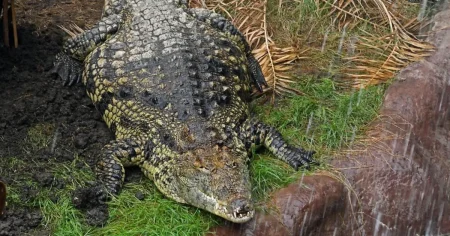
The immediate aftermath of the incident was nothing short of heroic. As the boy plummeted roughly 15 feet into the enclosure, he was attacked by at least one of the captive crocodiles, sustaining catastrophic injuries, including a broken pelvis and a broken arm. It was the quick, selfless actions of the zoo’s owners—Tracey and Andrew Johnson, along with their son Edward—that arguably saved the toddler’s life. Without regard for their own safety, they rushed into the dangerous enclosure to pull the boy from the grasp of the animals, highlighting the profound bravery often found in ordinary people when faced with an unimaginable crisis.
As the community continues to digest the trauma of what unfolded, there is cautious relief regarding the boy’s recovery. Cambridgeshire Police have officially confirmed that the child is no longer in critical condition and is now listed as stable, a small beacon of hope following a week of anxiety. The suspect, a 30-year-old man, remains at the center of a criminal investigation. He was arrested on suspicion of attempted murder but has since been bailed until mid-September after mental health and fitness assessments determined he was not yet in a state suitable for a police interview.
The investigation has uncovered unsettling details regarding the moments leading up to the attack. Reports suggest that the suspect, who reportedly lives with hearing difficulties, was accompanied by two carers at the time of his visit. Witnesses at the scene have painted a concerning picture, noting that the individuals ostensibly charged with the suspect’s wellbeing appeared distracted, allegedly chatting amongst themselves and focusing on their mobile phones rather than monitoring their charge. This revelation has sparked an outpouring of public frustration, raising difficult questions about oversight, personal accountability, and the duty of care owed to those who require—or are responsible for—surveillance in public spaces.
The incident has reverberated far beyond the borders of the zoo, triggering a wider conversation about the sanctity of public safety. In the wake of the tragedy, even the digital sphere became a flashpoint for controversy when a promotional advertisement for a discount site made a tasteless joke about the incident, drawing swift condemnation and serving as a reminder of how quickly tragedy can be sanitized or trivialized in the age of viral internet culture. Yet, throughout the noise and the headlines, the focus remains firmly on the resilience of the young victim, who is now beginning the long, painful road toward physical and emotional recovery.
Ultimately, this tragedy serves as a harrowing reminder of how quickly a family trip can turn into a nightmare. While the legal process will eventually determine the culpability of those involved, the lasting image is one of profound vulnerability met by true courage. The Johnsons of Old Hurst may be the backdrop for this story, but the narrative is defined by the fragility of life and the stark reminders of how vital it is for those in positions of responsibility to never lose sight of their duty to protect the most vulnerable among us. As the boy heals, a shell-shocked public waits for answers, hoping that such a preventable and horrifying event never happens again.