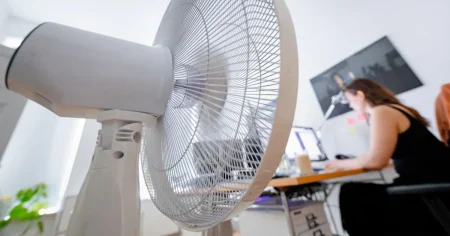


As Britain braces for yet another intense heatwave, the country finds itself in the grip of rising temperatures that are testing the resilience of our infrastructure. With the Met Office issuing a multi-day extreme weather warning across England and Wales, forecasters are growing increasingly concerned that we may even eclipse the long-standing record for the hottest June day, which has stood since 1976. While the weather reports are dire, the human impact is the true priority. The UK Health Security Agency has issued stark warnings regarding the strain on our healthcare services, noting that the elderly and those with underlying health vulnerabilities are at particular risk as the sweltering conditions persist throughout the week.
The debate over school safety has moved to the forefront, as many of our educational buildings were constructed with a focus on heat retention for our typically chilly winters, rather than cooling for these increasingly common heatwaves. Despite parental concerns for their children’s wellbeing, it remains business as usual for most of the nation’s classrooms. With the Department for Education maintaining that continuous attendance is vital for student development and that proper management can mitigate the risks, only a rare few institutions—like Wren Academy in Enfield—have opted to shift to remote learning. This has sparked a passionate grassroots movement among parents and advocacy groups who are pushing for a formal maximum temperature threshold to be legally mandated for schools.
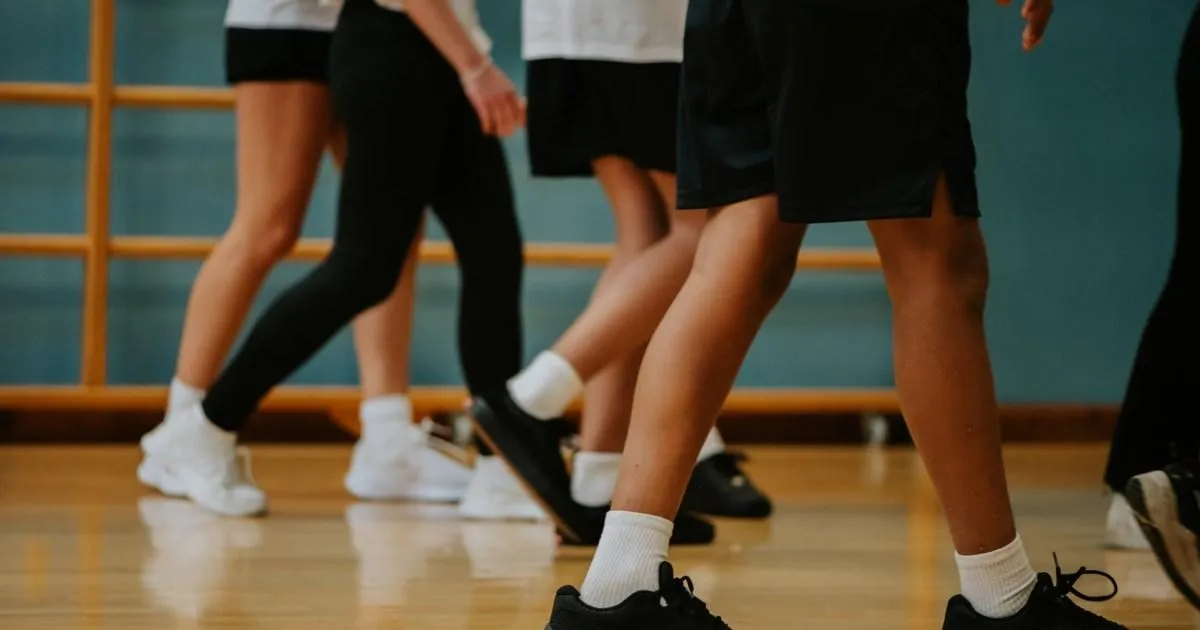
In the absence of a blanket policy, schools are taking creative, individualized approaches to help pupils cope with the heat. It has become a common sight to see teachers encouraging students to shed their ties and blazers, with many institutions relaxing their strict dress codes to allow for light-colored, breathable PE kits instead. Beyond clothing adjustments, simple yet effective measures are being encouraged across the board: staff are reminding students to stay hydrated, carry refillable water bottles, and protect themselves with hats and high-factor sunscreen. These small changes aim to make the classroom environment as bearable as possible, ensuring that children can focus on their studies without the added physical burden of overheating.
Parents play an equally important role in this defensive strategy, particularly during the peak heat hours. The NHS strongly advises keeping children inside during the most intense part of the afternoon, roughly between 11 am and 3 pm, when the sun is at its most punishing. As the school day ends, it is essential for caregivers to remain vigilant. By checking in on their children’s health in the evenings—watching for signs of skin redness, lethargy, or signs of discomfort—parents can catch the early warning signals of heat-related illnesses before they spiral into something far more serious. Maintaining a cool home environment and keeping fluids topped up remains the best first line of defense.
Knowing the difference between heat exhaustion and heat stroke is not just a health tip; it is a vital life skill during a record-breaking summer. Heat exhaustion, which stems from a significant loss of water and salt, serves as an early alarm system that must be heeded. When a child begins to show symptoms like dizziness, nausea, excessive sweating, or painful stomach cramps, they need to be moved to a cooler space, offered water, and encouraged to rest with their feet elevated. If a simple cool-down routine doesn’t bring relief quickly, it is crucial to recognize these warning signs for what they are: the body’s desperate attempt to tell us it is losing the battle against the ambient temperature.
If heat exhaustion is left untreated, it can rapidly progress to heat stroke, a true medical emergency that can place immense, life-threatening pressure on the heart, lungs, and brain. Unlike the more common exhaustion, heat stroke signifies a failure in the body’s cooling system, characterized by a staggering body temperature of 40C or higher, confusion, a lack of sweating, and even the loss of consciousness. It is a frightening possibility, but by staying informed, following NHS advice, and keeping our lines of communication with schools open, we can navigate these challenging temperatures together. While the mercury continues to climb, prioritizing common sense and collective care will ensure that our children remain safe, cool, and cared for until the heatwave eventually breaks.