

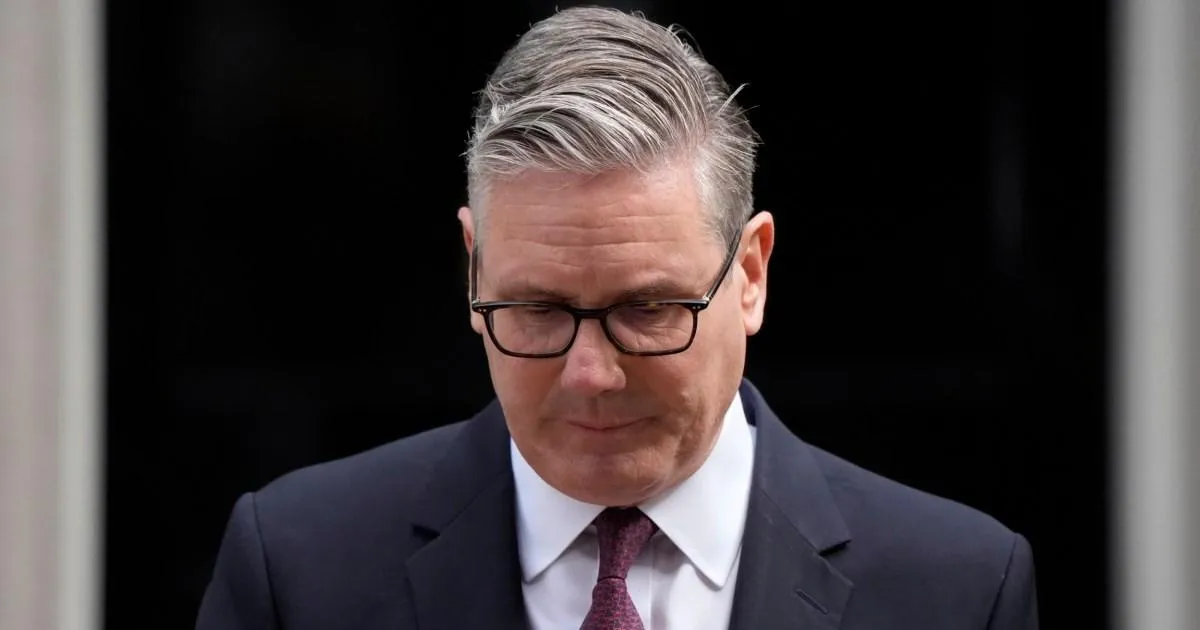
In a historic and somber scene on the steps of Downing Street, Sir Keir Starmer has officially announced his resignation as Prime Minister. Speaking with visible emotion, Starmer acknowledged that he could no longer command the support of his parliamentary party, a reality brought into sharp focus by weeks of sliding poll numbers and internal friction. While he graciously accepted the party’s desire for a change in direction, the departure marks a sudden end to his tenure, with a timeline now in place to have a new leader installed by September.
The atmosphere during the announcement was as chaotic as the political climate itself; as the Prime Minister fought back tears, the soaring, unmistakable strains of “Ode to Joy”—the official anthem of the European Union—played from nearby speakers. This surreal soundtrack served as a reminder of the turbulent decade of British politics. Since the Brexit vote, the UK has faced a revolving door of leadership, with Starmer becoming the latest figurehead to be swept away by an era defined by deep instability and public frustration.
In his final speech as premier, Starmer attempted to frame his legacy as one of transformation, defending his record on the economy, the NHS, and immigration. However, the reaction from across the political spectrum was characteristically unforgiving. Conservative leader Kemi Badenoch launched a blistering critique, dismissing his time in office as an “abject failure” fueled by unpopular policies, while Nigel Farage and the Reform party immediately seized the vacuum to demand a snap general election, refusing to accept another unelected transition of power.
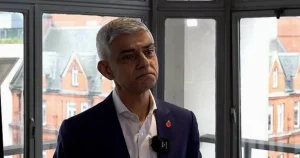
The internal fallout within the Labour Party has been equally complex. While figures like Sadiq Khan offered a respectful, albeit professional, tribute to an old friend and colleague, others like Ed Miliband focused on the immediate need for continuity, praising Starmer’s dignity while calling for a renewed effort to deliver on the party’s foundational promises. Conversely, some backbench supporters were left visibly shaken, mourning the loss of a leader they had championed just weeks prior, questioning what collective “mistakes” led to such a swift and total collapse of confidence.
As the dust settles, the spotlight is turning sharply toward Andy Burnham. Having recently solidified his political momentum with a decisive victory in the Makerfield by-election, he is widely viewed as the inevitable successor. With the party desperate to reset its image, the pressure on the likely incoming Prime Minister will be immense. The Green Party has already set the tone for the new chapter, warning that the public is long past the point of “half measures” and that whoever steps into Number 10 must deliver bold, radical change or face the same fate as his predecessor.
For Sir Keir, the public chapter of his life has closed with a poignant decision to step away from the relentless scrutiny of Westminster. In his closing remarks, he shifted from the language of policy and governance to the personal, expressing a heartfelt desire to focus on his family. His final commitment was to his wife and children, signaling a transition from the heavy, often unforgiving burden of the premiership to the quiet, private role of a father and husband—a departure that serves as a quiet reminder of the humanity often stripped away by the high-stakes theater of British politics.