

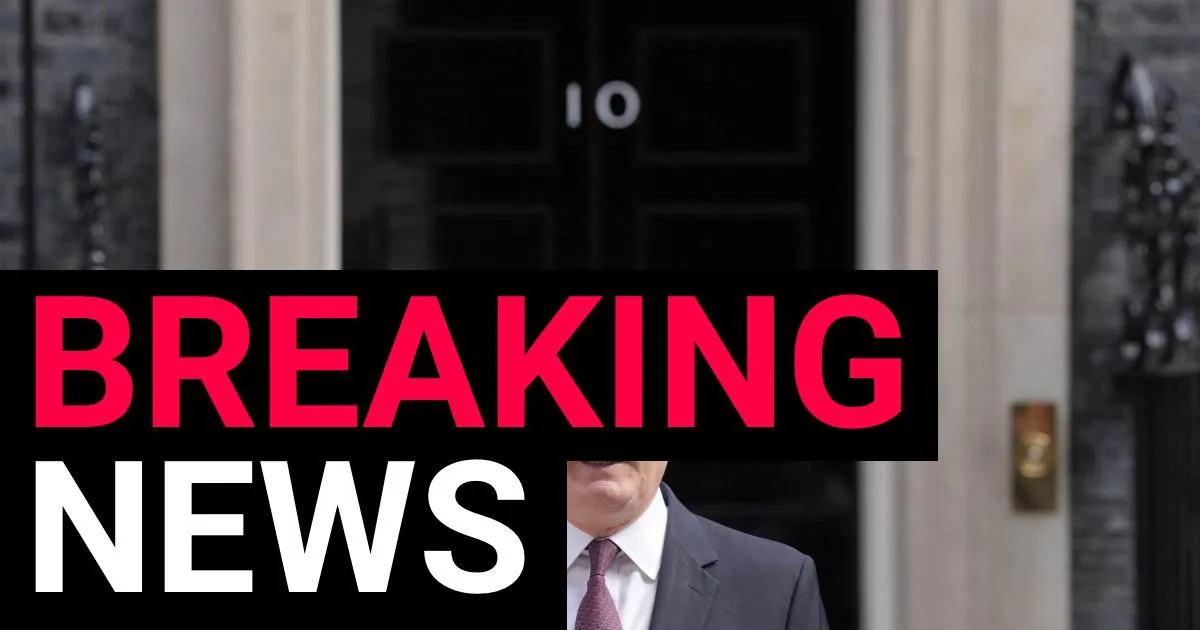
In a stunning turn of events that has sent shockwaves through Westminster, Sir Keir Starmer has announced his resignation as Prime Minister, marking a swift and dramatic end to a premiership that began less than two years ago with a historic landslide victory. Standing on the steps of Downing Street, a visibly emotional Starmer addressed the nation to confirm he would be stepping down. This decision follows weeks of mounting pressure, fueled by plummeting poll ratings, a string of damaging policy U-turns, and a chorus of dissent within his own party. The Prime Minister, who had vowed to weather the storm, ultimately acknowledged that he no longer commanded the necessary support from his parliamentary colleagues to lead effectively into the next general election.
The unraveling of Starmer’s leadership can be traced back to a series of early missteps that poisoned the public’s goodwill. Just weeks into his mandate, the decision by Chancellor Rachel Reeves to strip winter fuel payments from millions of pensioners was met with widespread outrage. Despite a desperate, eleventh-hour attempt to reverse the policy months later, the damage to the government’s image as a champion of fairness had already been done. This was compounded by a broader perception of hypocrisy, as a series of “sleaze” scandals—ranging from undisclosed high-end gifts and clothing to the controversial appointment of Peter Mandelson as US Ambassador despite his ties to Jeffrey Epstein—clashed violently with Starmer’s foundational promise to return integrity and “public service” to the heart of government.
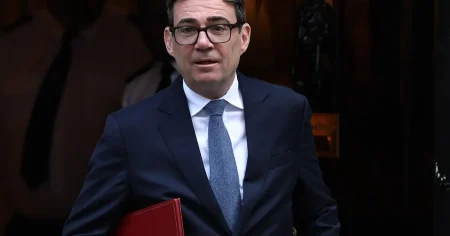
The political atmosphere turned toxic following a catastrophic performance in the local elections, where Labour suffered the loss of 1,400 council seats. This disaster acted as a catalyst for internal rebellion, leaving Starmer’s authority in tatters. The final blow came when Andy Burnham, the charismatic former Mayor of Manchester, secured a resounding by-election victory in Makerfield. Burnham’s return to Parliament—and his clear ability to hold off surging political rivals—transformed him into the instant frontrunner for the leadership. With Cabinet members resigning and the party hierarchy signaling that it was time for a change, Starmer accepted that his time in office had reached its natural and premature exhaustion.
Despite the chaotic nature of his departure, Starmer’s tenure was not without significant policy achievements that will likely form his legacy. He successfully pushed through progressive reforms, including enhanced rights for renters, the nationalization of the UK’s rail network, and a landmark lifetime ban on tobacco sales for those born after 2008. Furthermore, his government took a hard stance on digital safety, introducing age verification for adult content and moving to ban social media access for those under sixteen. On the international stage, Starmer also managed to maintain a complex but steady relationship with U.S. President Donald Trump, while remaining a steadfast ally to Ukraine in its existential struggle against Russian aggression.
The moment of resignation itself was a deeply humanizing transition for a politician often criticized for being overly clinical. Fighting back tears, Starmer spoke about the heavy toll of his office on his family life. He described exiting the “biggest job in the country” as a shift toward his true priority: becoming a more present father to his children and a better husband to his wife, Victoria, who he described as “the rock” that sustained him through his most turbulent months. It was a fleeting, raw snapshot of the man behind the Prime Minister, stripping away the rhetoric of Westminster to reveal the personal cost of high-stakes political failure.
As the dust settles on Starmer’s resignation, the focus of the Labour Party has immediately turned to a successor. The official leadership contest is set to begin on July 9, with the goal of installing a new Prime Minister before Parliament reconvenes in September. While figures like Wes Streeting have called for a rigorous “battle of ideas” to test the next leader, Andy Burnham stands as the clear, unchallenged favorite. Having already gathered significant momentum and the backing of a large portion of the Parliamentary Labour Party, Burnham is poised to chart a new course. For now, Great Britain is left to reflect on the rise and fall of a leader who promised to transform the nation, only to be undone by the very politics he sought to renovate.