
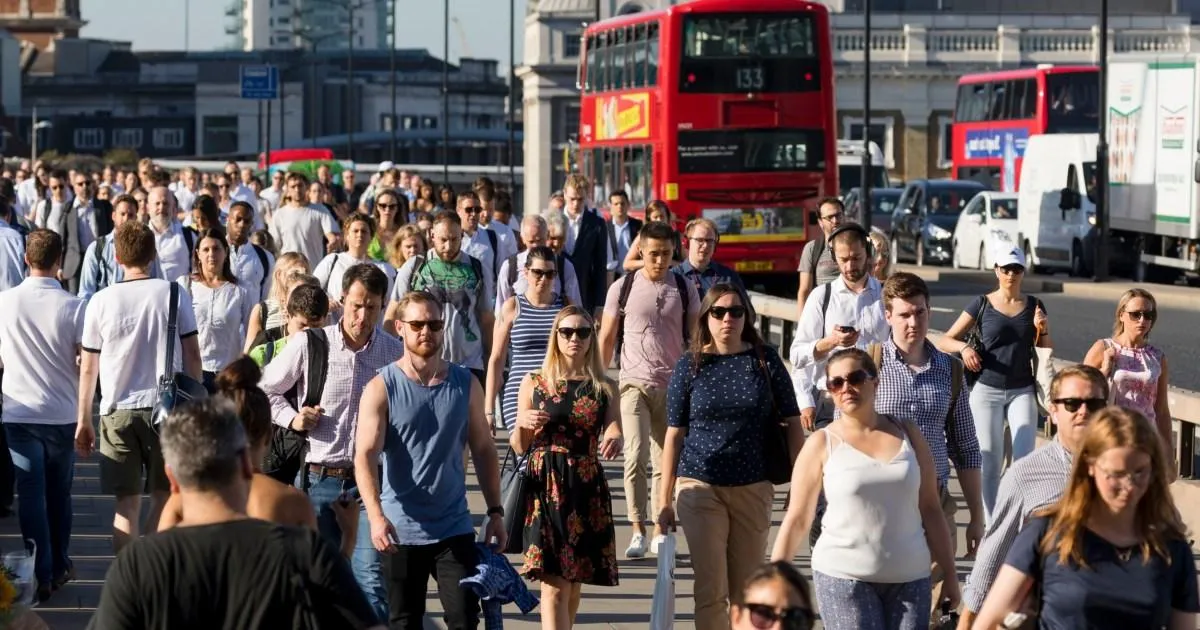
The United Kingdom is bracing for an extraordinary weather event as a “heat dome” settles over Western Europe, pushing temperatures toward record-breaking, uncomfortable levels. Forecasts indicate that parts of England and Wales could see the mercury climb as high as 40C, a sight rarely seen in the British climate. The Met Office has responded with urgency, issuing rare red weather warnings that encompass a vast swathe of the country, stretching from London to Swansea and up to Birmingham. This isn’t just a matter of a few hot hours; the combination of blistering daytime highs and intense humidity, coupled with sweltering, restless nights, is creating a scenario where simple recovery from the heat becomes physically difficult for many.
As the warnings persist from Wednesday through Thursday night, the ripple effect on daily life has been swift, particularly within the education sector. Concern for student welfare has led a growing number of schools across England and Wales to make the difficult decision to shut their doors or significantly curtail their hours. For administrators, the primary issue is the structural limitation of their buildings; many schools, lacking modern cooling systems or adequate shaded outdoor areas, have become literal greenhouses. By pulling the plug on in-person attendance, these institutions are choosing to prioritize the health of their students and staff over the traditional classroom calendar, shifting back to temporary online learning models to keep the curriculum moving.
The response from schools has been unified in its caution, though the specific tactics vary by region. For large institutions like The Buckingham School, the sheer population density made total closure the only responsible path, with 1,200 students redirected to digital platforms to avoid the risks of being on-site. Other schools, such as St. John’s in Marlborough and The Dorcan Academy in Swindon, have opted for hybrid approaches, finishing lessons early in the morning before the day’s peak heat, or closing entirely for the duration of the red warning. From Sutton in the south to the suburbs of North London, the consensus among heads of school is clear: once the heat becomes a genuine burden on the body, the classroom is no longer a safe environment for learning.
The logistical impact is widespread, leaving many parents scrambling as schools announce abbreviated schedules. Institutions like Pewsey Vale, Malmesbury, and various academies in Berkshire and Surrey are adopting “early-out” policies, sending students home by lunchtime to beat the most dangerous part of the day. This is a pragmatic, if disruptive, solution to a problem that isn’t typically factored into British school design. The National Association of Head Teachers (NAHT) has been working behind the scenes to support these leaders, acknowledging that while there is no specific “legal limit” at which a school must close, the moral obligation to protect the young and the vulnerable is absolute.
Beyond the classroom, the broader implications of this heat are deepening. The UK Health Security Agency has elevated its alert status to a red health warning for half a dozen regions, including the Midlands and the South East. This level of warning is not meant to be taken lightly; officials have explicitly stated that this heat poses a “risk to life” for the general population, not just the frail. It is a sobering reminder of how ill-equipped traditional infrastructure can be when faced with extreme climate shifts. This alert extends well beyond healthcare concerns, highlighting potential disruptions to critical national services, including energy grids, food supply chains, and public transport systems which are already feeling the early strain of the temperatures.
Ultimately, this week serves as a stark reflection of a changing environment. While the UK is famous for its mild, temperate weather, the arrival of a massive heat dome forces a societal pivot toward more resilient planning and safety protocols. As businesses, families, and schools adjust to these record-shattering figures, the focus remains on personal safety and collective vigilance. Whether through keeping hydrated, checking on vulnerable neighbors, or simply staying out of the noonday sun, the nation is being forced to adapt to a new, hotter reality. The hope is that by taking these proactive steps to suspend normal activities, towns and cities across the UK can navigate this dangerous spike in temperature without suffering the worst of its consequences.