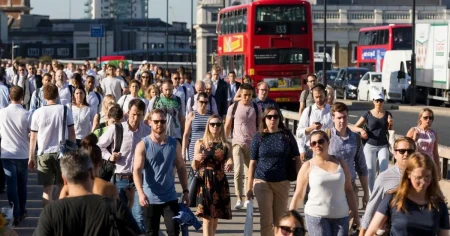
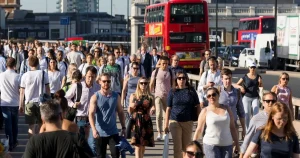
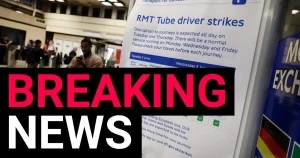

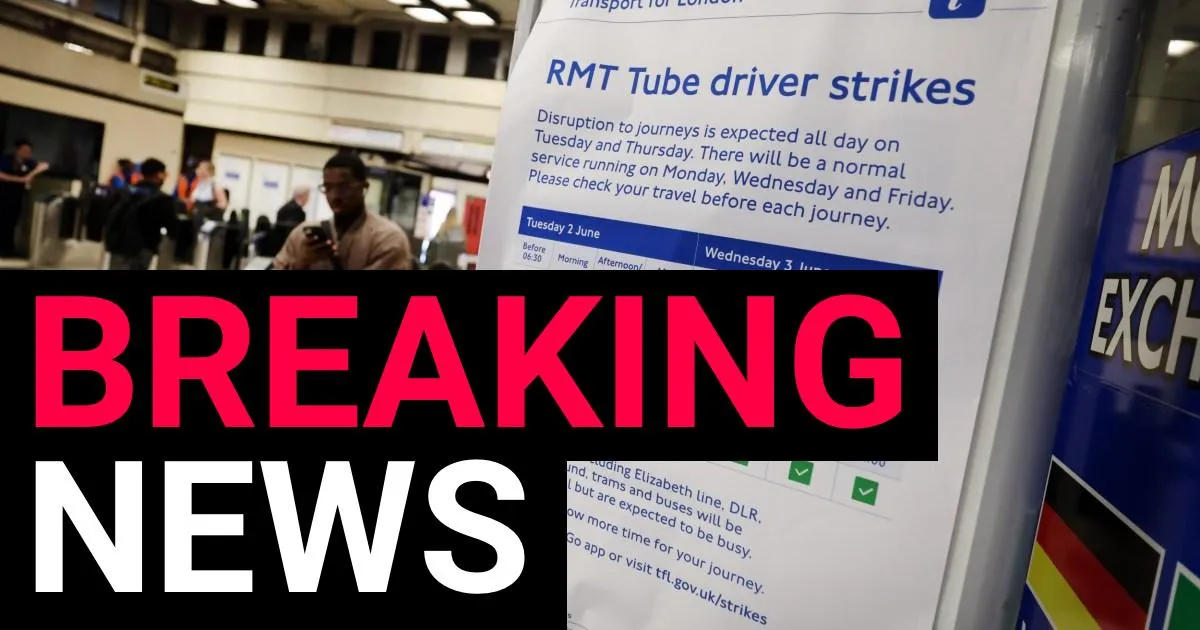
Londoners are facing a particularly grueling start to the week as an unprecedented heatwave collides with a crumbling transport network. As temperatures soar toward potentially record-breaking highs, the city’s infrastructure is struggling to keep pace, leaving thousands of commuters stranded in stifling conditions. The Circle and District lines—ironically the only routes equipped with modern air conditioning—are suffering from complete suspensions, leaving passengers to navigate the city’s sweltering subterranean tunnels in a state of growing frustration. To make matters worse, the Elizabeth line is grappling with flood-related service gaps near Heathrow, while signal failures and line closures on the Hammersmith & City and Metropolitan lines are creating a perfect storm of misery for anyone trying to navigate the capital.
The situation outside the tube stations is perhaps even more concerning as a massive “heat dome” settles over Western Europe, bringing conditions that the UK is physically and structurally ill-equipped to handle. Forecasters are warning that England and Wales could see temperatures climbing toward 40°C, potentially shattering records set in 1976 and pushing toward the historic highs recorded in July 2022. Unlike typical British summer days, this heat is accompanied by oppressive humidity and nighttime temperatures that offer no respite. The lack of cooling means that for many, the physical toll will be cumulative, leaving people exhausted and unable to recover before the next cycle of scorching weather begins.
Recognizing the gravity of the crisis, the Met Office has issued a rare red weather warning for a vast swathe of the country, stretching from London through to Swansea and Birmingham. Reserved for only the most severe meteorological events, these warnings serve as a blunt notification that the heat is no longer just a cause for discomfort—it is a legitimate danger to life. Authorities are stressing that the health risks are no longer confined to the elderly or the clinically vulnerable; the sheer intensity of this heatwave poses a widespread danger to everyone. As the mercury climbs, the risk of heat exhaustion and heatstroke is becoming a daily reality for those forced to venture out.
Transport for London (TfL) has been candid, albeit grim, about the outlook for those relying on public transit. Claire Mann, the chief operating officer at TfL, confirmed that major disruptions are practically inevitable as tracks expand and equipment faces mechanical stress from the relentless temperatures. Speed restrictions have become mandatory to prevent rails from buckling, which inevitably leads to reduced service and overcrowded platforms. While the bus network is expected to remain operational, commuting during this period has transitioned from a mundane daily routine into a deliberate test of endurance, with authorities pleading with passengers to carry water and prepare for lengthy delays.
The social and emotional toll of the heatwave is becoming increasingly apparent as residents look for ways to cope. Whether it is people hunting for cooling sprays and sleep aids to survive the stifling nights, or families flocking to outdoor lidos and pools in a desperate search for relief, the city is clearly in survival mode. The atmosphere in London feels heavy, not just from the humidity, but from a growing sense of anxiety. The news is peppered with tragic reminders of why these warnings exist, such as heart-wrenching reports of fatalities related to the extreme conditions, which serve as a somber wake-up call for everyone to prioritize their safety and wellbeing over their schedules.
As Londoners brace for the coming days, the advice from officials is consistent: stay hydrated, avoid unnecessary travel, and look out for one another. The city is currently in a state of high alert, balancing the logistical nightmare of a failing transport network with the immediate physical threat of an evolving climate reality. While London is no stranger to busy commutes and unpredictable weather, this red-alert heatwave is forcing the city to pause and reconsider how it functions under such extreme pressure. It serves as a stark reminder that while we can build cities, we are still deeply at the mercy of the elements, and in these moments, the most important thing any commuter can do is prioritize their health and take it slow.