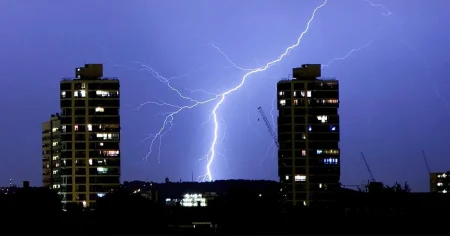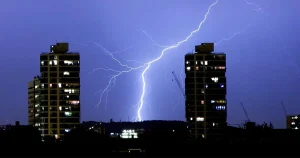

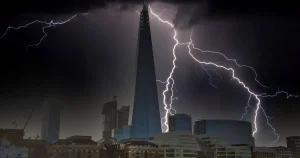

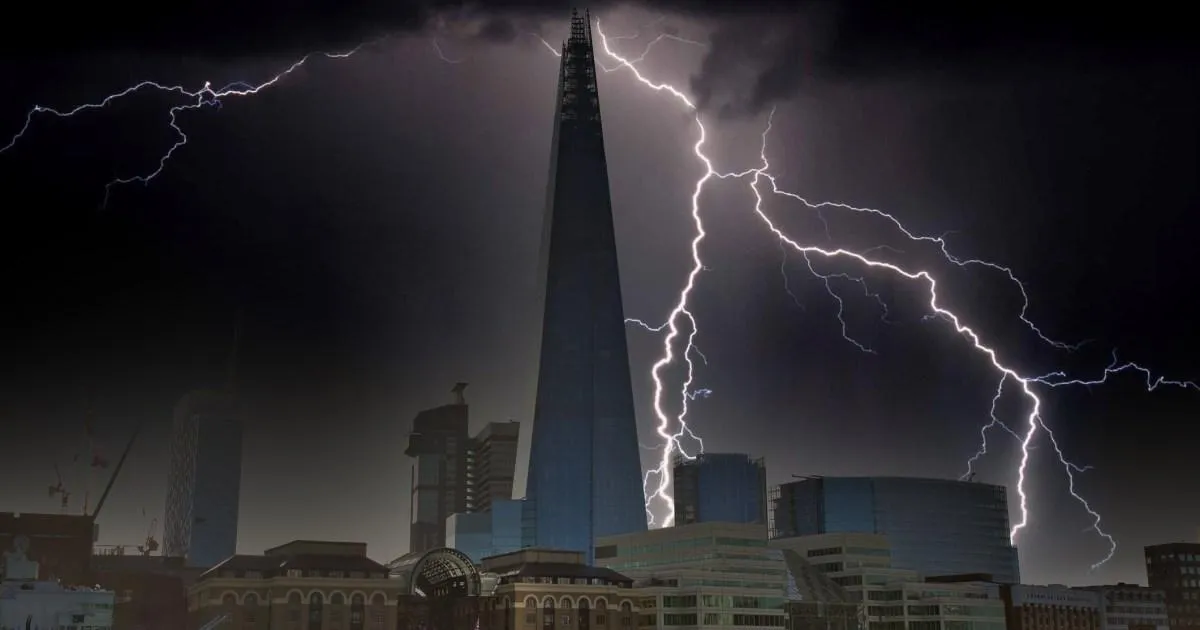
The quiet of a London night was shattered in the early hours of this morning as a ferocious and unexpected thunderstorm rolled across the capital, catching almost everyone off guard. For over two hours, the city was subjected to a relentless onslaught of heavy rain and a staggering display of atmospheric power, with more than 3,000 lightning strikes illuminating the dark skies. The sheer intensity of the event left many residents startled awake, gripped by the booming thunder and the sudden realization that their city had been transformed into a deluge. While some lucky sleepers managed to slumber through the chaos, those who were awake described the experience as unnerving and unlike anything they had witnessed in decades.
The personal accounts captured on social media perfectly illustrate the shock felt across the city. Residents took to platforms like X to share their disbelief, with one long-term Londoner noting that in his nearly 35 years of living in the city, he had never experienced a storm of such prolonged intensity. Others echoed the sentiment, describing the thunderclaps as the loudest they had ever heard in their lives. The atmosphere was thick with a mix of awe and anxiety as lightning flickered constantly and the heavy downpour persisted, turning familiar streets into rushing waterways and forcing people to reflect on just how rarely nature asserts itself so violently in such a densely populated urban landscape.
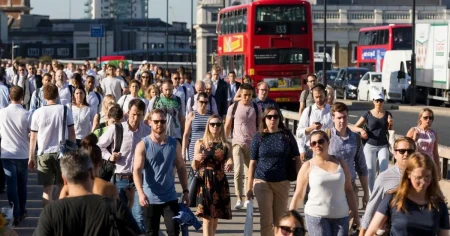
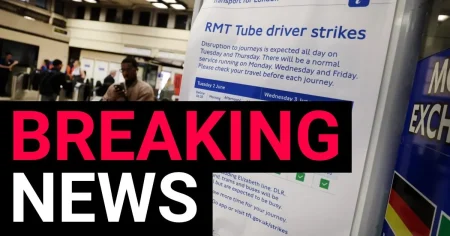
As the sun began to rise, the physical toll of the storm became painfully apparent. The London Fire Brigade found itself locked in a battle against the elements, fielding an overwhelming volume of more than 400 calls in a single night. The damage was varied and widespread: flash flooding turned tunnels and basements into hazards, while lightning strikes were confirmed to have sparked at least two house fires, adding a layer of genuine danger to the meteorological event. The disruption spilled over into the morning commute, with Balham Tube Station forced to close its doors and significant suspensions hitting the Elizabeth Line and various other Underground routes, leaving thousands of commuters scrambling to adjust their plans.
To manage the unprecedented surge in distress calls, the London Fire Brigade had to shift into high-gear emergency protocols. Assistant Commissioner Pat Goulbourne explained the gravity of the situation, noting that the brigade had to implement a “high-volume call procedure.” This meant that firefighters were forced to prioritize life-threatening situations—such as those trapped in severe flooding—over property-related damage. The emergency response was so stretched that the “Operation Willow Beck” procedure was triggered, allowing the brigade to divert surplus emergency calls to neighboring fire and rescue services across the country. It was a massive, coordinated effort that highlighted both the ferocity of the storm and the impressive, calm professionalism of the emergency teams on the ground.
The primary culprit behind this violent outburst was the dramatic shift in weather that followed a period of soaring temperatures. Meteorologists noting the sharp transition from heat to heavy rainfall explains the volatile atmospheric conditions that allowed the storms to grow to such an extreme size. As the water began to recede, the focus of the city shifted toward long-term cleanup and damage assessment. Firefighters continued to navigate the city, wading through the remaining flood waters and responding to the backlog of incidents, all while keeping a constant vigil for any lingering threats to infrastructure or public safety.
Ultimately, this sudden tempest serves as a humbling reminder of nature’s ability to disrupt the rhythm of even the world’s most advanced cities. While the rain has passed and the city is returning to its usual pace, the impact remains etched in the reports of property damage and the lingering stories of those who spent a sleepless night listening to the sky. As the London Fire Brigade continues to process the remnants of the night, their message remains clear: the city is resilient, but nature, when it decides to strike, demands nothing less than total respect. For those who were awoken by the roar of the thunder, the memory of that frantic night will surely linger long after the puddles have finally dried.