

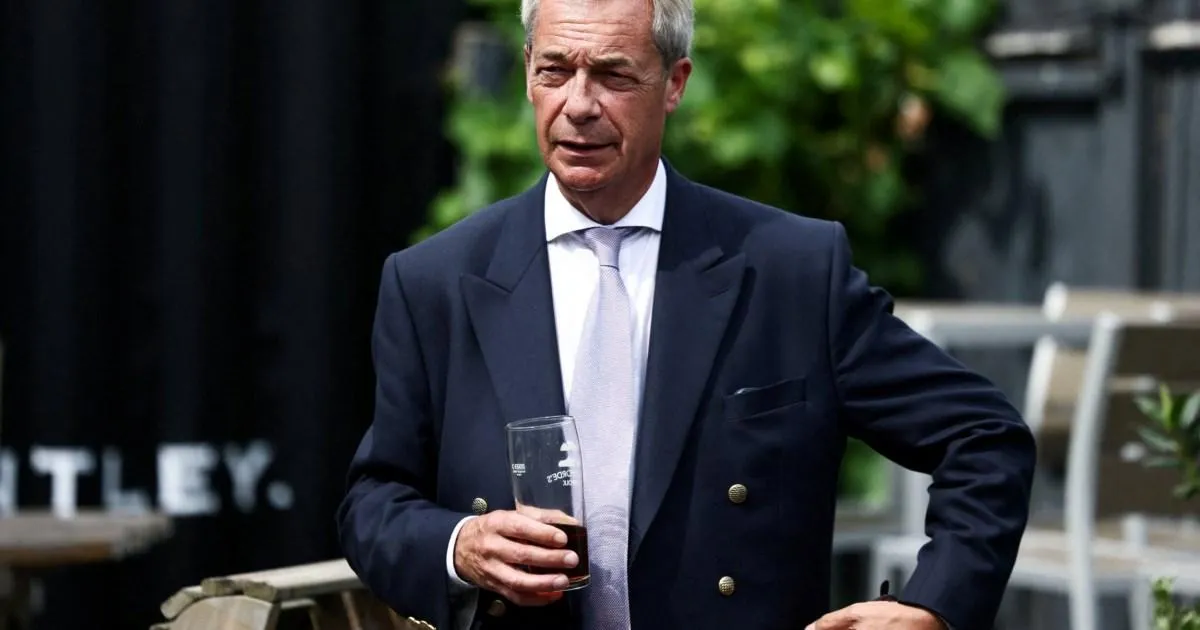
The recent revelation that Reform UK is under investigation for its funding sources has sent shockwaves through the corridors of Westminster, centering on a series of substantial, high-profile financial contributions. At the heart of this controversy is £500,000 in donations made last May by 67-year-old aristocrat Fiona Cottrell. Mrs. Cottrell, who previously garnered headlines in the 1970s for her social connections to the Royal Family, had no established history as a political donor prior to these transactions. Her sudden involvement just before the recent general election has drawn intense scrutiny, particularly because these funds were moved ahead of Nigel Farage’s formal announcement that he was entering the parliamentary race.
The intrigue deepens when looking at the familial connection to George Cottrell, Fiona’s 32-year-old son. George is a convicted fraudster who has become a central figure in an ongoing police investigation regarding the potential evasion of strict donation regulations. Authorities are currently examining whether these funds were effectively routed through his mother to obscure the identity of the true source—a process often described in legal terms as disguising donations from an “impermissible” entity. As the investigation progresses, the gravity of the situation has become clear: police have already interviewed two individuals under caution, signaling that this is far more than a minor administrative discrepancy.
Beyond the initial £500,000, investigators are also piecing together a more elaborate financial trail that involves a £1 million payment allegedly sent by Fiona Cottrell to a private company owned by Richard Tice, the deputy leader of Reform UK. Reports suggest that half of that million was eventually funneled directly into party coffers. The origin of this massive sum remains a mystery, and investigators are working to determine if this payment is intrinsically linked to the same deceptive practices currently under scrutiny. This complex web of transactions raises fundamental questions about transparency and the influence of private money within the British electoral system.
The logistical support provided to Nigel Farage during the campaign has also come under the microscope, as investigators look into how the party’s resources were managed. It appears that funds associated with the Cottrell family helped finance a wide range of campaign essentials, extending well beyond simple cash donations to include the provision of vehicles, professional security details, and even the use of a luxury townhouse located in the prestigious vicinity of Buckingham Palace. This level of behind-the-scenes financial backing paints a picture of a campaign heavily reliant on a small circle of elite donors, creating a vulnerability that inevitably leads to public distrust.
The broader fallout of these financial questions has created a chaotic atmosphere for the Reform UK leadership. Nigel Farage has faced mounting pressure, not only from these specific investigations but also from separate inquiries regarding a separate £5 million contribution from billionaire Christopher Harborne, which eventually led to his decision to resign his post as the MP for Clacton. The sheer number of financial irregularities circling the party has left its political standing weakened, with many in Westminster openly questioning the integrity of their campaign operations. The perception of the party as a legitimate political force is now being severely challenged by the persistent narrative of “sham” politics.
As the legal and investigative processes continue, the fallout serves as a sober reminder of the vital importance of transparency in democracy. While the party attempts to navigate its internal crises, a bizarre sideshow has emerged in the form of the by-election, where mainstream opposition has largely boycotted the process, leaving figures like the satirical “Count Binface” as the most prominent challengers. For the average voter, the saga of the Cottrell donations, the police interviews, and the revolving door of leadership signifies a breakdown of trust. Ultimately, this story is a cautionary tale about how private interests can bypass the safeguards designed to ensure a fair and level playing field in British politics.