


We find ourselves at a historical crossroads as the conflict in Ukraine approaches its fourth year, with the geopolitical landscape growing increasingly precarious. Czech President Petr Pavel recently issued a stern, urgent warning that the current window for diplomatic intervention is rapidly closing. He believes that a brief but vital opportunity exists to initiate serious peace talks between Ukraine and Russia, particularly before the Russian electoral cycle concludes in September. President Pavel speculates that once the political stability of these elections is secured, the Kremlin’s incentive to engage in dialogue will diminish, potentially setting the stage for a significantly more volatile and dangerous phase of the conflict.
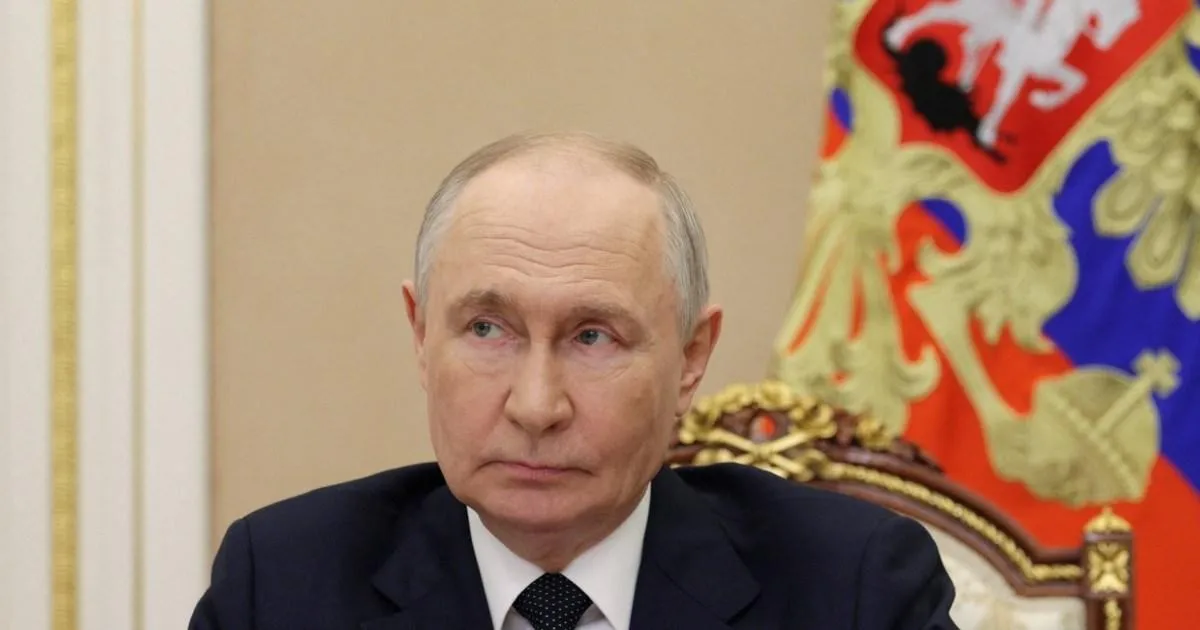
The internal pressures within Russia are a primary factor in this equation. President Pavel suggests that Vladimir Putin is currently navigating a delicate balancing act to maintain domestic stability. However, as Ukraine continues its strategic and surprisingly effective long-range strikes deep into Russian sovereign territory, the resulting pressure on the Kremlin will intensify. Paradoxically, the Czech leader posits that if these Ukrainian operations remain successful, they could force Russia into a position where negotiation becomes a functional necessity rather than a perceived weakness. Despite this, sources close to the Kremlin suggest a grimmer reality, indicating that Putin currently remains largely dismissive of any formal peace overtures.
Beyond the immediate theater of war in Ukraine, there is growing evidence of a much broader, shadow conflict being waged against the European continent. It has become increasingly clear that Russia’s belligerence is not confined to the frontlines of the Donbas. Recent reporting reveals a disturbing campaign involving the deployment of hundreds of covert drones across Britain and Europe. These aerial incursions, often launched from a “shadow fleet” of vessels, appear to be a calculated rehearsal for a potential future conflict, testing the robustness of European security in ways that move well beyond traditional military maneuvering.
The reach of this unconventional warfare is both chilling and wide-ranging. An extensive study by the International Institute of Strategic Studies (IISS) confirms that these incursions have targeted critical assets, including major airports, military installations, and even sensitive nuclear sites. Notable locations in the UK—such as the RAF bases at Fairford, Feltwell, Lakenheath, and Mildenhall—have been subjected to these intrusive flights. These are not merely sporadic incidents; they are deliberate, systematic attempts to probe the defensive capabilities of European nations, mapping out reaction times, identifying coverage gaps, and cataloging the vulnerabilities of integrated air defense systems.
The implications of this “spy drone” activity are profound and suggest an effort to prepare for a “decisive opening operation” should a high-intensity conflict ever manifest. By testing the boundaries of European airspace, the Kremlin is essentially treating the continent as a practice ground, gathering intelligence on how to best incapacitate infrastructure in a time of crisis. The fact that these sightings have become a recurring feature since 2024 demonstrates a shift in the nature of modern warfare: it is no longer just about territorial gain, but about psychological intimidation and the silent accumulation of data that could be weaponized at a moment’s notice.
Ultimately, the world is watching as the tension between the desire for peace and the reality of an evolving, shadow war reaches a fever pitch. While leaders like President Pavel seek a path toward diplomatic resolution, the tactical activities on the ground paint a picture of a Russia that is firmly committed to a long-game strategy of coercion. Whether the upcoming months lead to constructive dialogue or a massive escalation remains to be seen. What is certain, however, is that the safety of Europe is no longer a given, and the quiet, persistent threats occurring in our own skies serve as a sobering reminder of the complex, fragile peace we currently enjoy.