


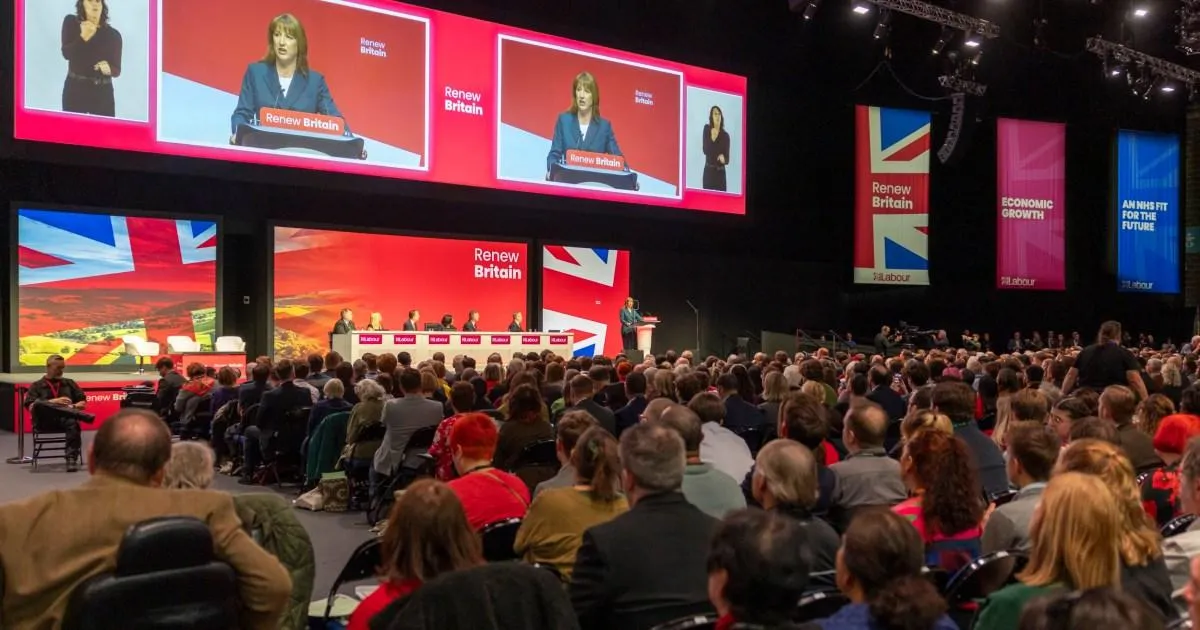
The upcoming Labour Women’s Conference in Liverpool is facing significant upheaval as a coalition of the party’s most prominent trade unions has announced a boycott of the event. Organizations including Unison, Aslef, Usdaw, and the Musicians’ Union—all vital financial and political backers of the Labour Party—have committed to staying away in protest of a specific policy decision. The party’s National Executive Committee recently voted to bar trans women from participating in formal conference proceedings, such as main hall speeches and critical policy debates. While trans women remain welcome at informal fringe events, the unions argue that this restriction fundamentally contradicts their long-held commitment to trans inclusion and equality.
This friction highlights the complex balancing act Labour faces as it navigates evolving legal interpretations of the Equality Act. Last year, in response to a Supreme Court ruling clarifying that legal references to “women” in the Act refer to biological sex, the party updated its guidance. For many years prior, Labour had operated under a more inclusive framework that welcomed self-identifying trans women into these spaces. The decision to revert to a biological definition for formal proceedings has left the party’s internal labor partners deeply at odds with the current leadership, sparking questions about the future of the party’s relationship with its base.
The weight of this protest is substantial, as these unions hold both symbolic and material influence within the party. Unison, for instance, has contributed nearly £44 million to Labour over the last quarter-century, while Usdaw and Aslef have provided significant financial support during recent election campaigns. By choosing to withhold their delegates, these organizations are sending a pointed message that their financial and political support is not unconditional. Official statements from these unions echo a shared sentiment: the exclusion of trans women is framed as a betrayal of the inclusive values that the labor movement has spent years cultivating.
Internal groups, such as “Labour for Trans Rights” and the “Trans+ Solidarity Alliance,” have been vocal in their disappointment, describing the ban as a regressive step that undermines years of progress. Activists argue that this exclusionary approach is not only harmful to trans members but also indicative of a deeper confusion within public institutions trying to interpret modern legal frameworks. They contend that rather than fostering a space for broad debate, the party is inadvertently narrowing its tent, creating a sense of instability that is beginning to permeate other sectors, including the civil service, where new guidance on gender-neutral facilities and language is also causing significant tension.
Critics of the policy, including advocates like Alexandra Parmar-Yee, suggest that this move risks becoming a defining, negative legacy for the government. They advocate for a clearer, more compassionate, and legally sound national framework that could “put this issue to bed” by prioritizing both fairness and equality. They argue that the current path forces organizations—from charities to the NHS—into the crossfire of, at times, contradictory legal pressures, potentially alienating a new generation of members who view these spaces as essential sites for intersectional advocacy.
For its part, the Labour Party maintains that its focus remains on the advancement of women in politics and ensuring that all members have platforms for networking and contribution. A spokesperson emphasized that the conference structures are designed to address the underrepresentation of women while remaining strictly compliant with the law. As the conference approaches, the internal discord reflects a broader national conversation regarding the tension between biological definitions and modern rights perspectives. Whether the party can reconcile these competing visions of inclusion without alienating its traditional power players remains one of the most pressing political challenges of the current term.