

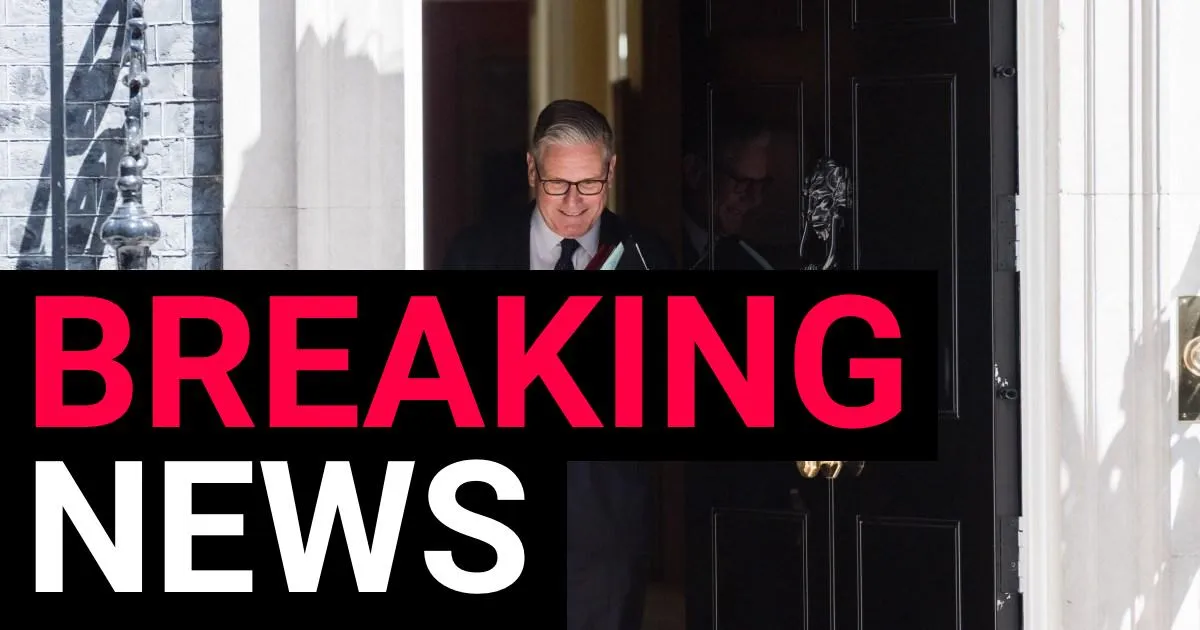
The political landscape in Westminster is currently undergoing a period of intense transition, marked most notably by the confirmation that Sir Keir Starmer will retain his seat as a Member of Parliament after he vacates the office of Prime Minister. This decision puts to rest weeks of speculation regarding his future in the Commons. By choosing to remain in Parliament, Starmer avoids triggering an immediate by-election in his constituency of Holborn and St Pancras, a development that had previously been a point of concern for his party, particularly given the rising interest of the Green Party in that area. While the move ensures stability for his local constituents, it also sets a clear tone for his post-premiership chapter, signaling that he intends to remain a presence in public life rather than exiting the political stage entirely.
However, remaining in the Commons does not necessarily equate to a continued role in the heart of government. During a recent Cabinet meeting, the Prime Minister poignantly remarked, “This is the end of my journey, but this is not the end of yours,” a phrasing that strongly implies he does not intend to serve in a ministerial or Cabinet capacity under his successor. Likely, that successor will be Andy Burnham, whose growing popularity and potential transition into the role of Prime Minister have dominated recent discussions. By distancing himself from the front-line executive duties, Starmer seems to be carving out a space for his successor to establish their own distinct agenda, effectively stepping aside to allow for a new wave of leadership to take hold.
The atmosphere in the House of Commons during this transition has been anything but tranquil, as evidenced by a particularly combative session of Prime Minister’s Questions. The chamber, already rife with anticipation over the inevitable shift in leadership, became a stage for heightened rhetoric rather than subtle policy debate. During this session, the Leader of the Opposition, Kemi Badenoch, took the opportunity to sharpen her attacks, famously dismissing the incoming leadership contenders with a biting observation about “a pair of eyelashes and a black T-shirt.” Such comments underscore the intense, often personal nature of modern political discourse, where the aesthetic and stylistic choices of leaders are increasingly used as weapons to discredit potential rivals before they have even taken the reins.
The level of hostility in the chamber recently drew a rare and sharp rebuke from Speaker Lindsay Hoyle, who found himself intervening when the debate turned increasingly toxic. The flashpoint occurred during an exchange between Badenoch and Education Secretary Bridget Phillipson. When Badenoch characterized Phillipson as a “spiteful class warrior” and questioned her empathy regarding the struggles of children living in poverty, the reaction from the Labour benches—including a look of visible shock from Chancellor Rachel Reeves—was immediate. The Speaker’s intervention was a stern reminder that the language used within the walls of Parliament carries significant weight, cautioning MPs that the vitriol expressed during debates often trickles down to the general public, fostering an environment of division that extends far beyond Westminster.
This turbulent period highlights a broader struggle within the UK political sphere: how to manage the transfer of power with grace while navigating a climate of constant, aggressive soundbites. As Starmer prepares to hand over the keys to Number 10, the political machine continues to churn with nervous energy. The public, meanwhile, appears to be watching this transition with a mix of exhaustion and interest; polls suggest a general appetite for leadership that can move past the current standard of aggressive grandstanding. As figures like Andy Burnham rise in prominence, there is an unspoken hope among many voters that the next administration might shift the tone of parliamentary debate back toward constructive governance and away from the polarizing personal attacks that have recently defined the floor of the House.
Ultimately, these developments serve as a snapshot of a political system in flux, caught between the legacies of outgoing leaders and the uncertainties of those waiting to replace them. Sir Keir Starmer’s decision to stay on as an MP is a practical, humble step, ensuring that his own political footprint doesn’t disappear overnight, yet allowing for a necessary evolution in Labour’s leadership. As the dust begins to settle on these transitions, the focus will soon shift from who is leaving and who is staying to how the next government—whoever may lead it—plans to face the substantive challenges that exist outside the bubble of Westminster. The challenges remain immense, and as the Speaker warned, the words chosen by these leaders today will continue to echo long after they have left the floor of the House.