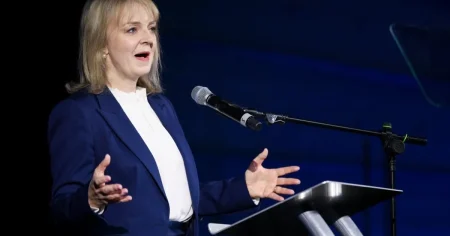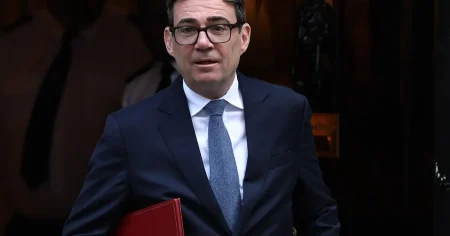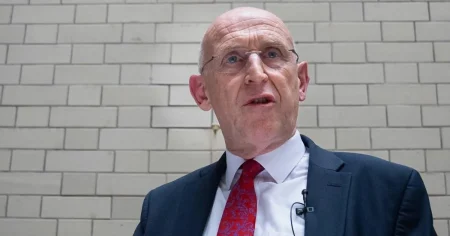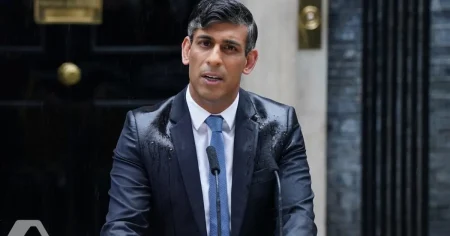


With the political landscape in London currently undergoing a seismic shift, the era of Sir Keir Starmer’s leadership is drawing to a swift and quiet close. As the dust settles, all eyes are turning toward Andy Burnham, the man effectively anointed as the next occupant of Number 10. His ascent is historic; he is poised to become the first Prime Minister in over six decades to take the reins without having won a general election, skipping the traditional polling booth in favor of an internal party succession. This transition places immense pressure on Burnham to hit the ground running, balancing the need for a fresh start with the cold, hard reality that his mandate is fragile. The public is watching, and his earliest appointments will either cement his popularity or rapidly erode the goodwill that propelled him to this singular moment.
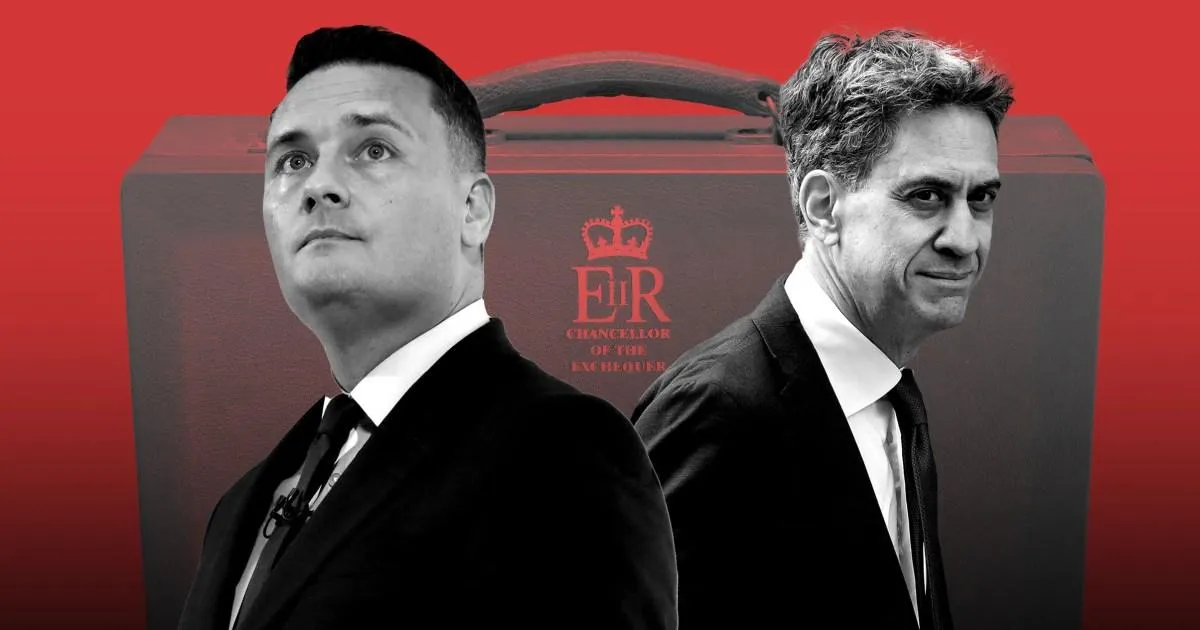
The most consequential puzzle piece in Burnham’s new administration is the appointment of his Chancellor of the Exchequer. This choice will serve as his first major policy signal to the international markets, the City of London, and a skeptical public bracing for economic shifts. Burnham finds himself walking a tightrope: he needs someone who understands the technical machinery of the Treasury but also someone who aligns with his ideological vision. Should he opt for a radical departure, he risks alarming investors; should he play it too safe, he risks alienating the grassroots supporters who feel the status quo has failed them. Ultimately, this appointment will define the “Burnham Doctrine,” dictating exactly how he intends to manage the nation’s finances and whether he intends to break decisively from the austerity or caution of his predecessors.
Among the frontrunners, Ed Miliband emerges as a titan of experience, though one with baggage. Having served in Gordon Brown’s inner circle decades ago, Miliband possesses a deep, institutional understanding of the Treasury’s levers. For Burnham, he represents a trusted hand who shares his ideological leanings. However, elevating Miliband might signal a hard pivot to the left, which could invite criticism from internal opponents and nervous business leaders. Critics already argue that turning back to a veteran of the Tony Blair and Gordon Brown era feels like a step into the past. Despite these concerns, Miliband’s loyalty to Burnham—a bond forged despite Starmer’s disapproval—keeps him firmly in the conversation as the most probable architect of the new government’s fiscal approach.
Contrasting this is the strategic candidacy of Wes Streeting, who until recently was vying for the leadership himself. By gracefully exiting the race to support Burnham, Streeting has positioned himself as an indispensable bridge-builder. His supporters view him as a pragmatic, modernizing force who could act as a political counterweight to Burnham’s ‘soft left’ tendencies. If Burnham chooses Streeting, it would be a clear message of unity and center-ground stability, effectively merging two distinct wings of the party. While Streeting has denied any quid pro quo arrangements, his swift move to unify behind the new leader has certainly put him in the prime position to take charge of the nation’s purse strings, provided Burnham seeks a partnership rather than a monolith.
Meanwhile, the potential fate of outgoing ministers provides a sharp look at how the government will distance itself from the Starmer legacy. Rachel Reeves, whose tenure as Chancellor was inextricably tied to Starmer’s most unpopular policies, appears to be on her way out. Her departure would mark a symbolic closing of the books on the last two years, though it leaves an empty seat that requires someone with proven acumen. This has led to speculation about “safe pairs of hands” like Pat McFadden, whose expertise in pensions and business makes him a steady, if unflashy, choice. McFadden is precisely the kind of operator who could reassure the markets that business will continue as usual, signaling that while the leadership has changed, the country’s economic ship will remain stable.
Ultimately, Burnham’s cabinet will reflect exactly who he trusts after his long exile from the Westminster bubble. Because he has been operating outside the immediate orbit of the current parliamentary party, he remains somewhat of an unknown quantity to many backbenchers. Whether he chooses to elevate loyalists like Louise Haigh or reaches for experienced hands from the existing Cabinet, his final selection will define the tone of his premiership. He is constrained by a brutally tight timeline; he does not have the luxury of settling in. He must move fast, pick wisely, and hope that his new team can navigate the turbulent waters of British politics with enough dexterity to hold onto power when the next actual election finally arrives.