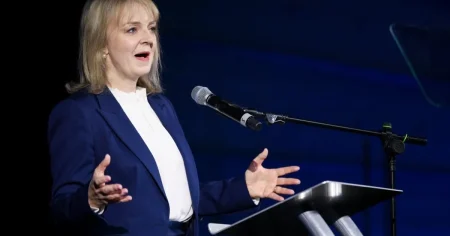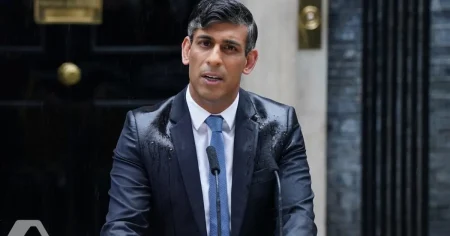
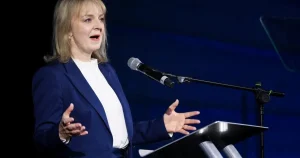

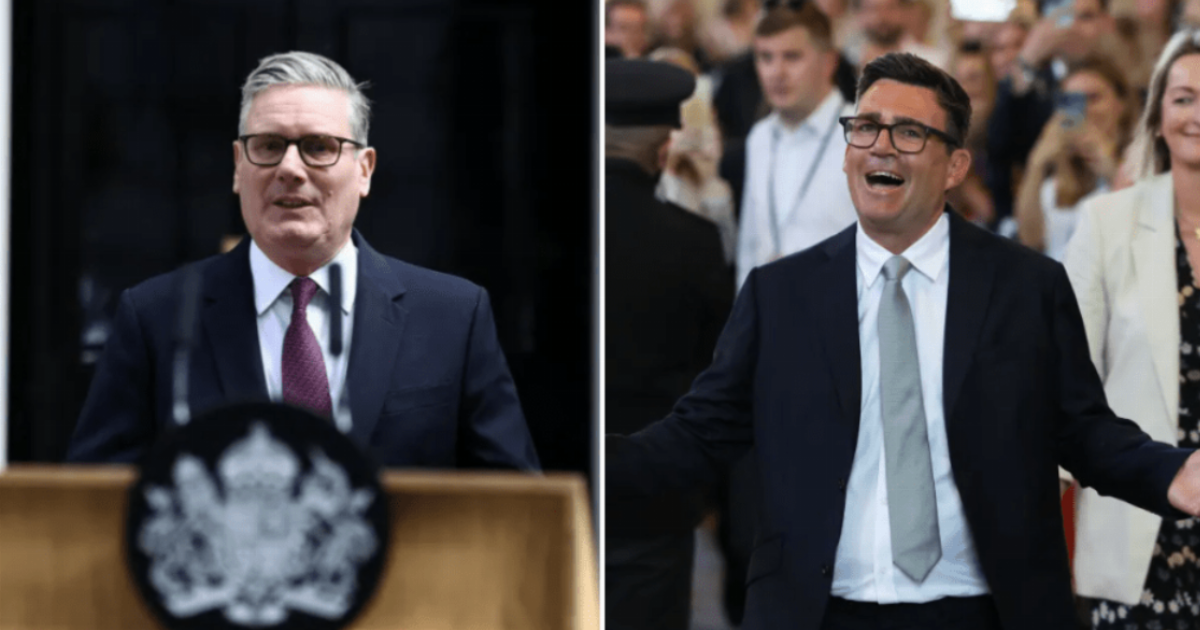
The sudden resignation of Sir Keir Starmer on June 22, 2026, marks the end of a premiership that many political observers, even within his own party, felt was doomed almost from the start. Looking back, reports of his inevitable downfall surfaced as early as ten months into his tenure, suggesting that for nearly half of his time in office, his administration was living on borrowed time. This rapid decline is historically significant, putting him in a league with Liz Truss for the shortest and most turbulent periods of leadership in modern British history. While pundits are now dissecting his “lawyerly” hesitation and lack of clear ideological direction as obvious flaws, the speed at which his political capital evaporated remains a startling reflection of a government that never truly found its footing behind the door of Number 10.
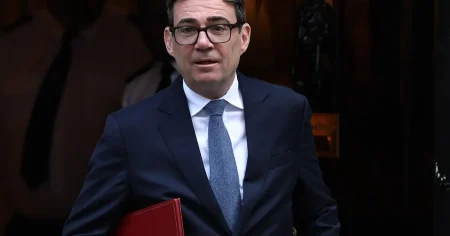
As the dust settles, the focus shifts immediately to Andy Burnham, the “King of the North,” who is widely expected to ascend to the premiership in a matter of weeks. His rise is nothing short of extraordinary; he will likely become the first Prime Minister in over six decades to take the reins without having been elected in a recent general election. After spending years as the Mayor of Greater Manchester, his leap from local office to the national stage is being framed as a fresh start for Labour. However, this transition is not without its anxieties. Having been away from the crucible of Westminster for years, many are asking if he is truly prepared for the unique, daily pressures of the premiership, or if he is simply a popular figure being thrust into a role that requires a far more complex set of skills than regional governance.
Burnham’s transition invites a critical review of his past record in Manchester, where his performance was a mix of effective advocacy and occasional political caution. His handling of the Clean Air Zone (CAZ) is a prime example of the “red flags” his detractors point to. While the policy was designed to improve air quality, Burnham chose to abandon it when it became unpopular, contrasting sharply with the approach taken by London’s Sadiq Khan. While Khan weathered the storm of public backlash—eventually seeing a measurable drop in pollution-related fatalities—Burnham’s retreat suggested he is a politician who prioritizes being liked over the potential political fallout of necessary, albeit difficult, decisions. For someone about to inherit a national budget and foreign policy crises, that tendency to retreat from controversy could prove to be a significant liability.
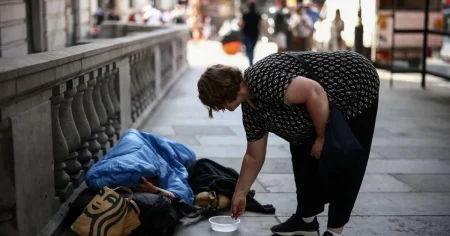
Furthermore, there is the lingering issue of his past campaign promises, most notably his pledge to end rough sleeping in Manchester by 2020. While initial progress was promising, the reality eventually hit the buffers of limited executive power and shifting focus during the pandemic. Critics argue that the failure to meet that promise highlights a gap between his ambitious rhetoric and his ability to deliver long-term systemic change when the political climate turns cold. It serves as a cautionary tale: national leadership is unforgiving, and the ability to hold a rally is a far cry from managing the grinding, often thankless work of national welfare reform or defense spending. Burnham will have to prove he can navigate these deep-seated problems without relying on the convenient excuses that regional mayors can sometimes lean on.
Despite these concerns, it would be a mistake to underestimate the appeal of the incoming Prime Minister. Burnham possesses the very things Starmer consistently lacked: a genuine sense of charisma, a burning political zeal, and a visible ambition that captures the public’s imagination. He is a communicator who understands the pulse of the electorate, and in a political landscape desperate for direction, his ability to rally the party might be exactly what is needed to stop the hemorrhaging of confidence. He isn’t just taking over a desk at Downing Street; he is taking over a narrative that has been broken for months. If he can leverage his popularity to enact meaningful change, his lack of recent Westminster experience may quickly be forgotten.
Ultimately, the nation is about to embark on yet another grand political experiment, with the clock already ticking on Burnham’s honeymoon period. The expectations are astronomical, and the circumstances of his appointment—bypassing a traditional contest—leave him with very little margin for error. We will not have to wait long to see if he can fulfill the promise that Starmer could not. In the coming weeks, the country will learn if the “King of the North” can translate his local success into a national movement, or if he is destined to repeat the cycle of frustration that has defined the last two years of British governance. The question is no longer “if” a leader will fall, but whether this new one can finally provide the stability that has evaded Westminster for so long.