
Paragraph 1
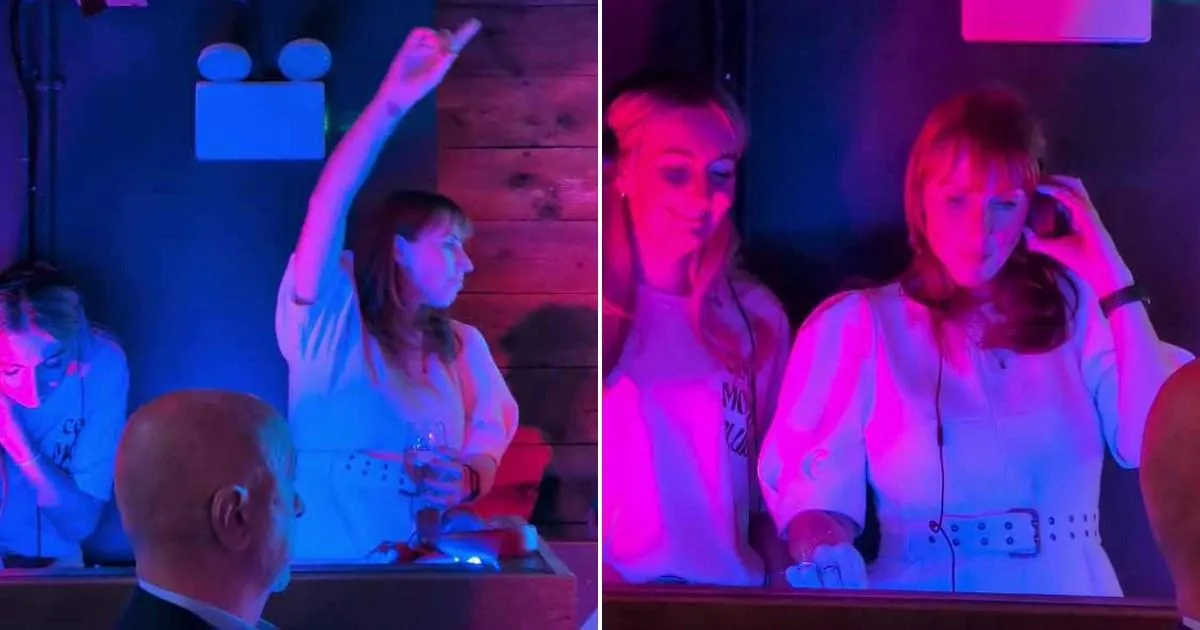
The Labour Party’s annual conference has always held a peculiar dual identity. By day, it is a carefully choreographed affair of ministerial speeches, policy announcements, and sober discussions about the future of the nation. But once the sun goes down and the formalities conclude, the event transforms into something far more raucous, a sprawling social festival where the true currency is not just political capital but the ability to let loose among friends, rivals, and colleagues. And this year, the afterparty scene in Liverpool developed an unlikely but utterly delightful figurehead: Angela Rayner, the Housing Secretary, who swapped the podium for the DJ decks to the astonishment and joy of everyone in attendance. You could picture the scene perfectly—the neon lights of the cocktail bars, the thumping bass echoing through the historic streets of the city, and the unmistakable sight of one of the most senior figures in British government taking her turn behind the turntables, grinning as she curated the soundtrack for the night. It was a moment that perfectly captured the strange, humanising magic of political conferences, where even the loftiest Cabinet minister can momentarily become the life of the party.
Paragraph 2
Rayner’s night was a carefully curated tour of the best Labour gatherings that Liverpool had to offer, and she approached it with the same energy she brings to her day job. Her first stop was the Tonight Josephine cocktail bar, a glamorous, neon-drenched venue where the party group Mainstream had taken over for the evening. Mainstream, as any political insider will tell you, is the organisation that helped catapult Andy Burnham onto the national stage and ultimately put him on the path toward the top of the party, and its gatherings always attract a certain calibre of attendee. Here, Rayner effortlessly settled into her role as resident DJ, reading the room with a natural instinct that suggested she had been doing this for years rather than as a occasional hobby. The crowd, a mix of MPs, party staffers, and political enthusiasts, responded with whoops and cheers as she mixed her set, dancing along as she worked her way through her carefully prepared playlist. From there, she didn’t call it a night. Instead, she made her way along the road to the Bierkeller, which had been transformed into an Oktoberfest-themed celebration for the LabourList party, complete with the inevitable karaoke machine and, presumably, an atmosphere thick with the scent of pretzels, beer, and infectious enthusiasm. It was here that Rayner would truly shine.
Paragraph 3
By the time Rayner arrived at the Bierkeller, the party was already in full swing, and she was stepping into significant shoes. The crowd had been thoroughly warmed up by her fellow MP, Dawn Butler, who had been holding court behind the decks with a selection of reggae favourites that had kept the room bouncing. Butler, it must be said, was still recovering from the legendary annual event that has become her trademark—the famous Jamaica Party, which had only drawn to a close at around three in the morning the night before. That she was still able to command the crowd with such energy was a testament to her endurance and her commitment to the social side of political life. But the handover was seamless, with Rayner sliding into the booth and immediately taking the crowd on a musical journey that was, as one member of her team later charmingly described it, “a nice blend of 80s synth, 90s Euro dances – and contemporary Ibiza bangers.” The playlist itself was a masterclass in crowd-pleasing versatility: from the driving electronic energy of The Chemical Brothers and the timeless synth-pop of Bronski Beat, through to the joyful militancy of the Communards, before transitioning into the euphoric trance of N-Trance and Delerium. She even threw in a nod to modern dance floors with HUGEL’s Movin’ to the Sun, ensuring that everyone, regardless of age or musical preference, found themselves moving to the beat.
Paragraph 4
What makes this story genuinely endearing, rather than just a quirky political footnote, is the sheer human contrast it presents. Angela Rayner, the woman who stood behind those decks into the early hours of Tuesday morning, was the exact same woman expected to deliver a serious keynote speech to the entire conference at 11.40am. There is something wonderfully relatable about the image of a senior Cabinet minister, exhausted but exhilarated after a night of spinning records, pulling herself together to face the main stage. It speaks to the fact that even in the highest echelons of power, people are still people. And this wasn’t Rayner’s first brush with the decks. Those with long memories will recall that in August 2024, less than two months after Labour’s landslide general election victory, she was spotted at the glittering Hï Ibiza club on the Balearic island, captured on video by actor and presenter Denis Van Outen as she played a remix of Gotye’s haunting Somebody That I Used To Know. That moment, which went viral at the time, revealed a side of Rayner that the public rarely gets to see—a woman who, despite her rise through the political ranks, remains deeply connected to the simple pleasures of life, whether that’s a night out dancing or the thrill of watching a crowd respond to a perfectly timed beat drop.
Paragraph 5
The karaoke that followed Rayner’s LabourList set was, by all accounts, a slightly more subdued affair, as the big names gradually drifted away to prepare for another day of speeches and panels. But the night was not without its memorable moments. East Thanet MP Polly Billington, showing the kind of fearless enthusiasm that defines the best kind of politician, picked up the microphone more than once and delivered renditions that, if not technically flawless, were certainly full of heart. It is in these smaller, unscripted moments that the true spirit of the conference emerges. The speakers, the policy briefs, and the carefully managed press conferences all have their place, but it is the late-night interactions, the shared laughs over a karaoke disaster, and the unlikely sight of a Cabinet minister dropping the bass that remind everyone why they entered politics in the first place. For Rayner, whose own journey from a working-class upbringing in Stockport to the highest levels of government has been well documented, these moments of genuine connection with the party faithful are not just pleasant interludes—they are an integral part of her political identity. She has never lost the ability to relate to ordinary people, and that is precisely why she can move from a serious policy discussion to a dancefloor without missing a beat.
Paragraph 6
Ultimately, the story of Angela Rayner’s DJ sets in Liverpool is about more than just a politician having a good time. It is a reminder that the machinery of government is ultimately staffed by human beings with playlists, dance moves, and the occasional karaoke anthem in their hearts. It humanises a profession that can often seem cold, detached, and impossibly remote from the lives of the people it serves. In an era of deep political cynicism, where trust in politicians is perpetually under threat, there is something quietly reassuring about watching the Housing Secretary lose herself in the music, surrounded by colleagues and supporters who are cheering her on not as a representative of a party, but as a person. And when she took to the main stage the following morning, hair slightly dishevelled and a knowing smile playing on her lips, she proved that it is possible to be both a serious leader and a genuinely fun human being. The conference continued, the speeches rolled on, and the policy debates raged, but for those lucky enough to have been in those two packed venues, the memory of Angela Rayner behind the decks will linger far longer than any press release. It was a moment that perfectly encapsulated the enduring, messy, joyful humanity at the heart of British politics.