

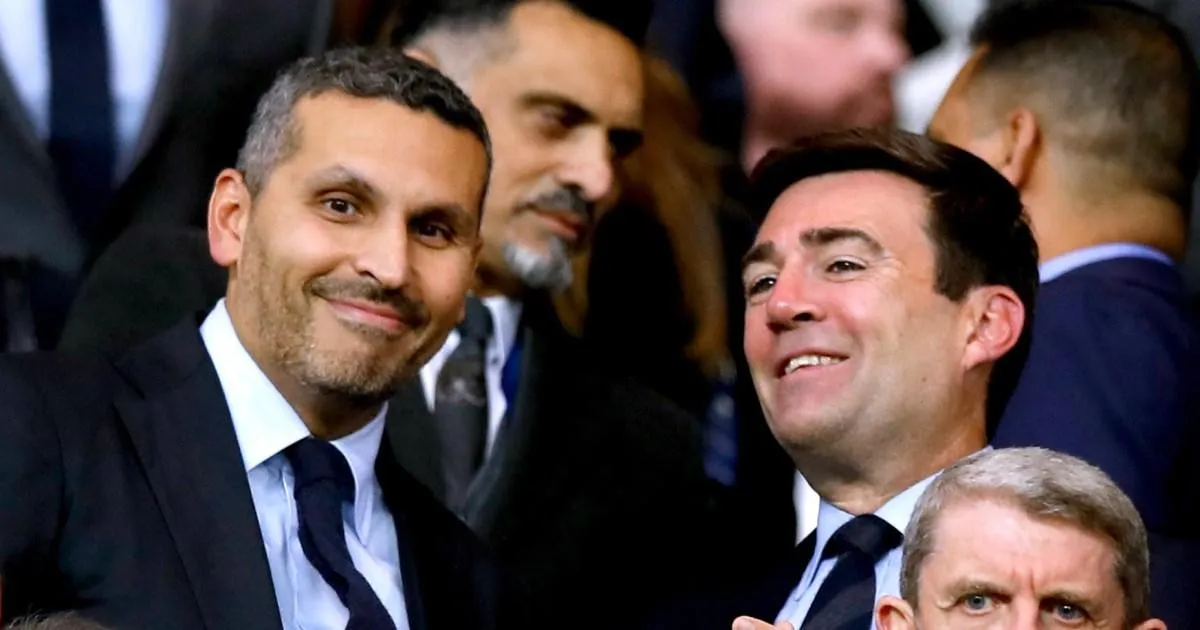
Football and politics have always been strange bedfellows, but every now and again they produce a story that feels bigger than a single match or a single policy announcement. This week, that collision came in the form of Andy Burnham, the Mayor of Greater Manchester, who has found himself on the defensive over his warm words about Manchester City’s owners. After an independent commission ruled that the club breached Premier League financial rules over an eight-year period, Burnham’s earlier comments suddenly looked awkward. Asked whether he worried about the possibility of Sheikh Mansour and his Abu Dhabi-based group selling the club, Burnham told the BBC he would be “really concerned to lose them.” He described City’s ownership as a “huge partner” in the building of modern Manchester and thanked City Football Group for the money invested in the Etihad Stadium and the wider city. Those comments triggered a wave of criticism, with many asking how a senior Labour politician could sound so sympathetic to a club that had just been found to have broken the game’s rules. Now, Burnham says he will publish all of his dealings with the club’s owners from his time as Mayor, in an effort to show that nothing was hidden. It is a significant promise, and one that has been made in response to a direct challenge from Conservative leader Kemi Badenoch. But it also raises a bigger question: where should the line be drawn between welcoming investment into a city and keeping a critical distance from the people behind it?
The details of the case are enough to make anyone’s head spin. Manchester City were found to have benefited from more than £830 million in secret funding between 2009 and 2018, a period that saw the club transform from a promising Premier League side into a global superpower. That money, according to the independent commission, was hidden in a way that allowed City to compete on the pitch while appearing to comply with financial rules that were designed to keep competition fair. The sums involved are staggering, especially for ordinary fans who have watched ticket prices rise and felt the game drift further and further away from its traditional roots. City, of course, do not see it that way. In a statement announcing their appeal, the club insisted that the opinion “contains clear material errors, of law, principle and fact” and that it is “unsafe.” They declared themselves innocent of the accusations and said a “comprehensive body of irrefutable evidence” supports their position. That appeal will now run its course, and in a legal sense, nothing is final until the process is complete. But the damage to the club’s reputation is already part of the conversation, and it has placed Burnham in an uncomfortable spotlight. As a politician who has spent years championing the regeneration of Greater Manchester, he has always seen City as a success story. The club helped put the city on the map, brought investment, created jobs and gave the region a global brand. To hear him talk, you would think City’s owners were heroes of the local economy rather than figures at the centre of a football governance scandal.
Burnham’s own defence is that he did not misspeak. In an appearance on the podcast The Rest is Politics, he made it clear that he stands by his original comments and urged people not to “conflate” the football issues with the wider question of investment. He argued that the vast majority of people in this country want football to have integrity and want to know that the rules apply to everybody. That is a perfectly reasonable position, and it is one that many fans would share. No one seriously believes that Manchester should turn its back on investment, or that the city’s regeneration should be undone simply because a football club is in trouble. But there is a difference between welcoming money into a community and praising the people behind that money when they are accused of breaking the rules. Burnham’s instinct, perhaps, was to defend the relationship between City and the city. He talked about the Etihad Stadium, about the wider investment in Manchester, and about the global standing that the club has brought to the region. All of that is real and all of it matters. But in politics, tone matters too, and his comments sounded, to many ears, like an endorsement of the club’s owners at a moment when the focus should have been on the integrity of the game. By promising to publish his dealings, Burnham is trying to reset the story and show that he has nothing to hide. The question is whether that will be enough to silence his critics.
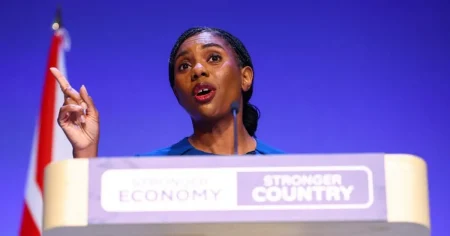
The pressure on Burnham intensified when Kemi Badenoch, the leader of the Conservative Party, publicly called on him to release all of his meetings with Manchester City bosses from his time as Mayor. Badenoch was blunt about what she wanted to see. “Everything,” she said. “The Freedom of Information requests should get those things out. Otherwise, what’s being hidden?” It was a pointed attack, designed to suggest that Burnham had something to be embarrassed about. Burnham, for his part, seemed almost relieved to be asked. In his podcast appearance, he committed to fulfilling her request and said he was happy to do so. He described his interactions with City’s owners as minimal, noting that none of the meetings were recent and that he had only one significant meeting back in 2021. He promised to put everything out there so people could judge for themselves. Whether that will end the row remains to be seen. Transparency is a good thing, but it can also be a double-edged sword. Publishing a list of meetings may show that Burnham had little direct contact with the club’s owners, but it may also reveal a broader web of relationships between political power and wealthy investors that the public would rather scrutinise. That is the real risk for Burnham. It is not that he is guilty of corruption or wrongdoing, but that his close relationship with a successful local institution could make it harder for him to speak truthfully about football governance when it matters.
There is a human side to this story that gets lost in the legal jargon and the political point-scoring. Manchester City are not just a football club; they are a source of identity and pride for hundreds of thousands of people. The investment from Sheikh Mansour’s group helped build a stadium, fund a training complex, and transform an entire area of east Manchester. For many residents, that investment has meant jobs, housing, schools and improved public spaces. It has changed the way the city sees itself and the way the world sees the city. It is entirely understandable that a local leader like Burnham would want to protect that relationship and would feel anxious about the idea of the owners walking away. At the same time, football is supposed to be a meritocracy. The rules are supposed to apply equally, and when a club is found to have broken them, the public deserves to see consequences. That tension is at the heart of this entire saga. Liverpool fans, for example, made their feelings known with a banner at the recent match against City, a pointed reminder that rival supporters are watching and judging. They do not care about the regeneration of Manchester or the finer points of city diplomacy. They care about fairness, about the idea that their own clubs have played by the rules while City have not. That emotional response is just as valid as any economic argument, and it is why Burnham’s comments felt so jarring to so many people.
In the end, Burnham’s promise to publish his dealings is a welcome step towards accountability, but it is only a first step. The independent appeal will decide whether Manchester City are ultimately punished, and that process must be allowed to run its course without political interference. But the broader lesson is about the relationship between public office and private money. Politicians are allowed to be excited about investment in their communities. They are allowed to celebrate the success of local institutions and to defend them against what they see as unfair attacks. What they are not allowed to do, or at least what they should not do, is appear so close to powerful interests that they lose the ability to see clearly. Burnham may well be entirely innocent of any impropriety. He may have had very little contact with City’s owners, and the meetings he did have may have been entirely proper. But the fact that he now has to publish those details, and the fact that the public is demanding to see them, says something about the way we view power in modern Britain. We want our leaders to be on the side of ordinary people, not on the side of billionaires and sheikhs, no matter how much money they have poured into our cities. The story of Andy Burnham and Manchester City is not just a story about football finance. It is a story about trust, about transparency, and about the difficult balancing act that every politician must perform when they are trying to do good for their community without getting too close to the people who pay for it.