

Council tax is one of those rare subjects that manages to unite the entire country in frustration, though perhaps not for the reasons you might expect. It is widely disliked by both the people who have to pay the bills and the Treasury officials tasked with administering it. The root of the problem is that our current system is effectively frozen in time. Despite the rapid evolution of the housing market over the last few decades, council tax is still tethered to property valuations from 1991. Because housing prices have skyrocketed in places like London while stagnating or growing more slowly in the north, we have created an environment where people in some of the country’s most affluent areas pay a smaller, disproportionate share of their property value than those struggling in lower-income regions. It is an outdated, “twisted” system that has left many voters feeling that the tax burden is anything but equitable.
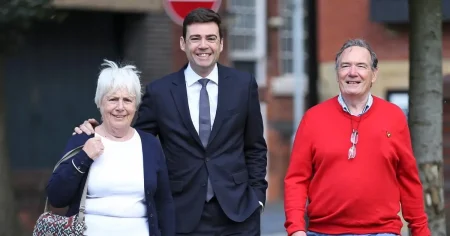
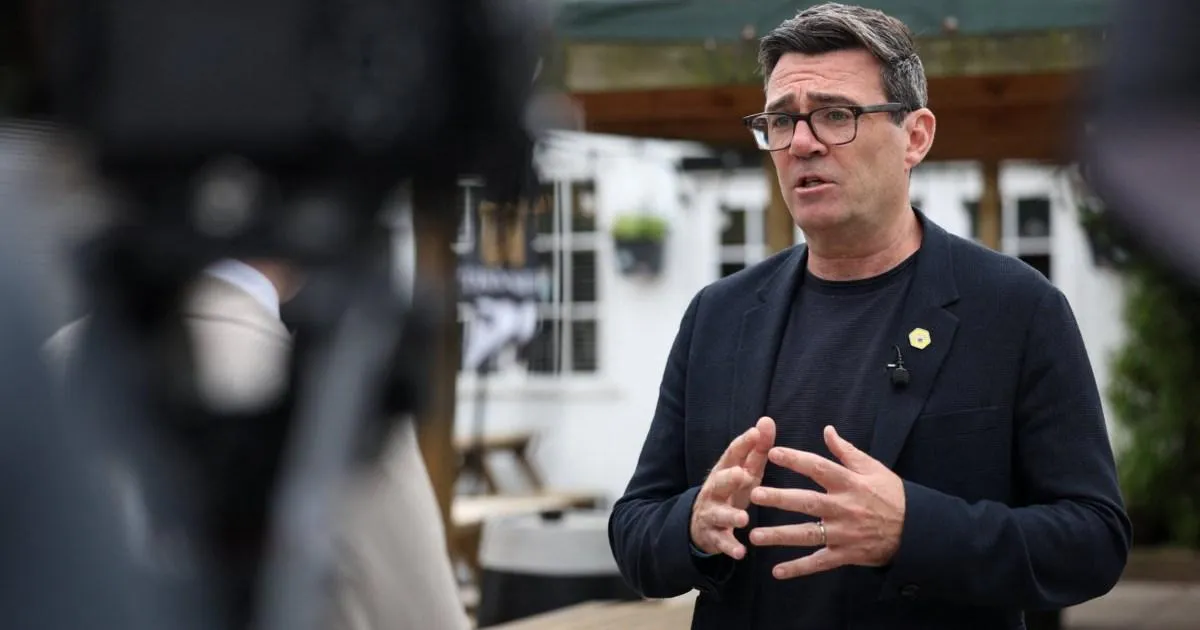
Recognizing these systemic failures, Prime Minister Andy Burnham has signaled that his government is seriously considering a shake-up. During a recent campaign launch, Burnham made it clear that he sees a compelling case for reform, pointing out that, for too long, homeowners in high-value properties have benefited from a system that failed to keep up with the times. He famously noted that his predecessor, Rachel Reeves, was moving toward these reforms for a reason: it is fundamentally unfair that the tax burden hasn’t shifted to reflect the reality of current property values. By prioritizing this, Burnham isn’t just tweaking a policy; he is acknowledging that the current banding system is a relic that no longer reflects the economic landscape of modern Britain.
The speculation now swirling around Westminster suggests that the government is weighing some truly radical alternatives, including the potential abolition of the much-loathed stamp duty. One popular proposal, championed by the group “Fairer Share,” involves replacing the current tiered system with a simple, proportional property tax. Under this plan, every homeowner would pay a flat rate—suggested at 0.48%—based on the current value of their home. This move is designed to simplify a convoluted process and, according to proponents, would provide tax relief for roughly three-quarters of all households. It is a bold vision of fairness, though one that would inevitably cause a significant shock to the system for those whose properties have increased in value well beyond historical 1991 benchmarks.
Burnham’s personal appetite for change goes even deeper, as he has long advocated for a land value tax (LVT). This is an idea he has been championing since his first leadership bid in 2010. Rather than taxing the building itself, an LVT would tax the value of the land underneath it, effectively treating the dirt as the primary asset. Burnham has argued that this approach would make it possible to scrap stamp duty, which he views as a punitive tax on the aspirations of young people trying to enter the housing market. By shifting the perspective from what is built on a plot to the value of the plot itself, the government hopes to create a more efficient, long-term funding model for local services.
However, the human impact of these changes cannot be ignored, and the shift would be nothing short of seismic. For renters, such a transition could be a genuine lifeline, as they would effectively be removed from the burden of paying property taxes altogether, shifting that responsibility squarely onto the owners. But for homeowners—particularly those in the booming south of England—the tax bills could rise significantly. Furthermore, officials must grapple with the “asset-rich, cash-poor” dilemma: how to handle the burden on someone, such as an elderly person living in a family home they purchased decades ago, who might have a high-value property but very little disposable income. There is no easy way to transition millions of people into a new tax reality without causing widespread anxiety.
Ultimately, reforming council tax is a monumental task that requires as much political bravery as it does technical policy expertise. Whether Burnham opts for a proportional property tax or leans into his long-held interest in land value taxation, the upheaval would be immense. It will require a tremendous amount of political capital to sell these changes to a public that is already wary of tax hikes and economic uncertainty. As the government explores these options, they are essentially asking the country to consider a new social contract regarding property ownership. While the goal is a fairer, more transparent system, the path to getting there will be fraught with negotiation, intense public scrutiny, and the difficult reality of reordering how Britain taxes its citizens.