


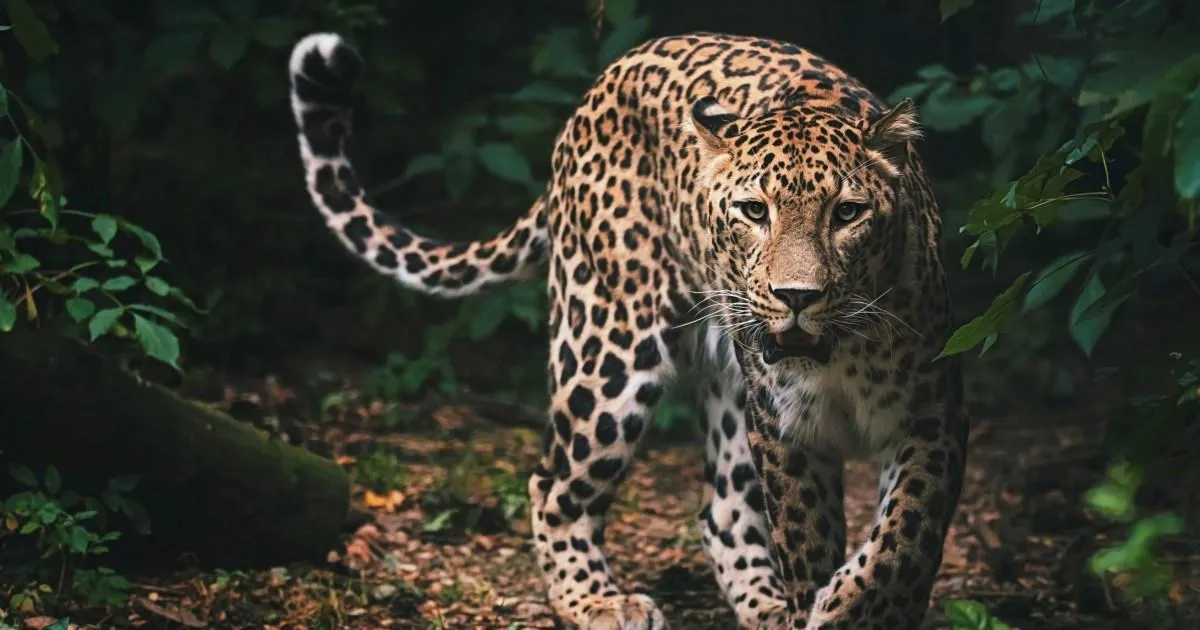
The quiet rhythm of a Saturday morning at Beekse Bergen Zoo was shattered in an instant, turning a familiar workplace into a scene of emergency and fear. Around 11am, inside the big cat enclosure, a woman in her 50s was attacked by a leopard while doing her job. The unnamed zookeeper, described as experienced and highly safety-conscious, suffered severe head injuries that left her in critical condition. Her cries for help were heard over a walkie-talkie by colleagues, who immediately understood the gravity of the situation and rushed to her aid. It was a sound no one in that staff room will ever forget, the voice of a friend and coworker in desperate need. The woman had to be airlifted to a nearby hospital in the Netherlands, where she was quickly taken into surgery. Her condition was described as worrying, and the days ahead would be uncertain for her family and for the zoo community that held her in high regard. The incident took place in the indoor section of the enclosure, where the animals had been kept after a powerful storm swept through the region the previous night. What should have been a routine Saturday shift became a nightmare. The zoo, located in Hilvarenbeek, is known for its safari experience and family camping, but on that morning, all thoughts were far from tourism. They were focused on survival, on a beloved colleague fighting for her life, and on the cold reality that even the most careful zookeeper cannot fully control the instincts of a powerful wild animal.
The first sign that something had gone terribly wrong was not a loud crash or a visual alarm, but a human voice crackling over the radio, pleading for help. A nearby colleague heard the woman’s cries and immediately abandoned whatever task was at hand, racing toward the enclosure. By the time others arrived, the attack had already happened, leaving the keeper gravely wounded. The injuries to her head were severe, so serious that an air ambulance was dispatched to carry her to a hospital where specialists could attempt to save her life. Martin van Hees, the zoo’s head of animal care, spoke publicly about the incident with a mixture of sorrow and frankness. “We know there is a risk when working with dangerous animals,” he said, “but you never want to experience something like this.” His words captured the painful truth that zookeepers live with every day. They enter enclosures housing predators that are beautiful, endangered, and utterly wild. They follow protocols, they check locks, they read animal behavior, and yet they know deep down that no system is perfect. The woman involved was not careless. She was described as always alert, someone who took safety seriously and understood the stakes of her profession. That is what makes the attack so difficult to process. If it could happen to her, someone so diligent, then it could happen to any keeper in any zoo in the world. The emotional weight of that realization is heavy, and it now sits on the shoulders of her colleagues, who must continue to care for the very animals that remind them of their own mortality.
In the hours after the attack, the focus shifted to understanding what had gone wrong. Van Hees was honest about the confusion surrounding the events, admitting, “We do not know exactly what happened.” An investigation was launched, and a staff meeting was scheduled for the following day, Sunday, to begin piecing together the sequence of events. The meeting was not just a procedural matter; it was a moment for a shaken team to come together, to share their memories, and to support one another through the trauma. The animal was being housed indoors because of the storm, which meant that the encounter occurred in a more confined space than the expansive outdoor habitats visitors were used to seeing. Such conditions can change the dynamics between keeper and animal. There may be different sightlines, limited escape routes, and altered behavior from a cat that is itself unsettled by strange circumstances. Officials would need to examine whether a door was left open, whether a routine procedure was interrupted, or whether the leopard was startled by something in its environment. But the investigation was never going to bring immediate comfort. The woman was still in surgery, her life hanging in the balance. Her colleagues were left to replay the morning over and over in their minds, searching for details that might explain the inexplicable. For now, there were more questions than answers, and the silence between those questions was filled with grief, fear, and a desperate hope for recovery.
One of the most difficult questions in the aftermath of any animal attack is what to do with the animal itself. In this case, the answer came quickly and clearly. The leopard, one of two Persian leopards in the area, would not be put down. Van Hees explained the decision in simple and compassionate terms. “We are not going to do anything with the leopard,” he said. “It just sat in its enclosure and did what it did. The animal cannot help it.” This statement reflects a profound understanding of wildlife. The leopard is not a villain. It is not a creature of malice or revenge. It is an endangered predator acting on instinct, responding to a situation in the only way its nature allows. Persian leopards are a rare and valuable subspecies, native to the mountains of Iran and the Caucasus, and every individual matters to conservation efforts. But beyond the scientific significance, there is a moral dimension to the decision. Modern zoos recognize that animals are not responsible for behaving like animals. The leopard did not escape its enclosure or attack a random visitor. It was in its own space, startled or threatened, and it struck out. The tragedy lies not in the animal’s actions but in the risky intersection between human caretakers and wild creatures. By choosing not to punish the leopard, the zoo sends a message that humans, not animals, must bear the burden of managing danger. It is a stance that honors the keeper’s work rather than undermining it, and it spares the staff the additional grief of losing a creature they had dedicated their lives to protect.
The decision to keep Beekse Bergen Zoo open after the attack may seem surprising to some, but it reflects the relentless demands of caring for hundreds of animals. The park, which offers a safari experience and camping facilities, continued its regular hours on the day after the incident. Visitors arrived as they always did, perhaps unaware of the trauma unfolding behind the scenes. For the staff, however, the day was anything but normal. They moved through their routines with heavy hearts, tending to animals while their minds lingered on a hospital room far away. The zoo is not just a place of entertainment; it is a living, breathing community of animals and the people who devote their lives to them. Keepers spend years learning the personalities of the creatures in their care. They build bonds built on trust and routine, but they never forget that big cats are not domestic pets. They are predators, beautiful and powerful, capable of inflicting harm in a fraction of a second. The attack at Beekse Bergen is a stark reminder of that reality, not just for the keepers who work there, but for every person who has ever admired a leopard from behind the safety of a glass barrier. The staff meeting held on Sunday was a chance to grieve, to ask hard questions, and to begin the slow process of healing. But healing does not happen overnight. Every time a keeper approaches the leopard enclosure, there will be a moment of hesitation, a flicker of memory, a deepened awareness of the thin line between life and death.
As the world awaits news of the zookeeper’s condition, this incident stands as a somber reflection on the relationship between humans and wild animals. It is a story about dedication, courage, and the immense risks that people accept when they choose to work with creatures that can never be truly controlled. The woman lying in the hospital spent her career caring for animals, respecting them, and understanding their behavior. She knew the dangers, and she chose to face them anyway, because she believed in the mission of conservation and the importance of protecting endangered species. That belief is shared by her colleagues, who now must find the strength to continue their work despite the trauma they have experienced. They will hold on to the hope that she will recover, that the surgery will be successful, and that she will one day return to the zoo family that loves her. They will also carry the memory of her voice over the walkie-talkie, a sound that transformed an ordinary morning into a moment of terror. The leopard remains in its enclosure, just as it always was. The zoo remains open, and the routine of feeding, cleaning, and observing continues. But something has changed, perhaps irrevocably. The illusion of safety has been broken, not just for the keepers at Beekse Bergen, but for everyone who understands what it means to work alongside wild things. It is a fragile trust, a dance between respect and danger, and it can be shattered in an instant, leaving behind questions that may never be fully answered, and a quiet, enduring hope for healing.