


A Tragic Encounter in Sumatra: Crocodile Claims a Life
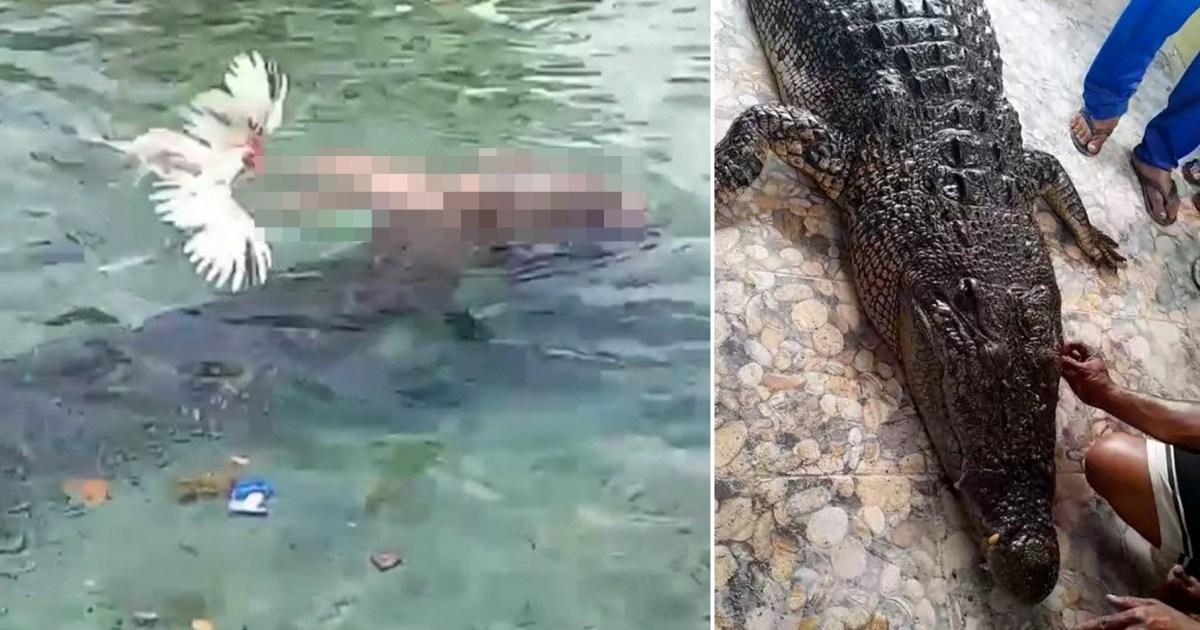
The tranquil waters off the coast of Sumatra, Indonesia, became a scene of horror as a 46-year-old woman, Nurhawati Zihura, lost her life in a brutal crocodile attack. Nurhawati’s simple act of washing her feet in the seawater turned into a nightmare when a lurking crocodile seized her and pulled her beneath the surface. A resident, Agustinus, witnessed the terrifying event, describing the crocodile’s relentless grip and the chilling sight of blood staining the water. The crocodile vanished with its victim, only to resurface an hour later, Nurhawati’s lifeless body still clutched in its jaws. Locals desperately tried to retrieve her, using boats and even throwing chicken as a distraction. Eventually, the crocodile relinquished its grip, and Nurhawati’s body was recovered.
A Community in Fear: The Looming Threat of Crocodiles
The tragedy has ignited fear and outrage among the island community, prompting calls for government action to address the escalating danger posed by crocodiles in the region. Kornelius Wau, the head of the Pulau-Pulau Batu Sub-district, voiced the concerns of the residents, highlighting the inherent risk they face given their proximity to the coastline and their dependence on the sea for their livelihood. With settlements concentrated along the coast and residents frequently bathing in the ocean, the presence of crocodiles represents a constant threat. Wau’s plea for intervention emphasizes the urgency of the situation and the need for measures to protect the vulnerable coastal communities. The incident underscores the precarious balance between human activities and wildlife in the region, urging for a more proactive approach to ensure the safety of the residents.
Indonesia’s Crocodile Crisis: A Global Hotspot for Attacks
Indonesia holds the grim distinction of having the highest number of crocodile attacks globally. Over the past decade, a staggering 1,000 incidents have been reported, resulting in the tragic deaths of approximately 450 people. This alarming statistic underscores the severity of the crocodile problem and the need for comprehensive solutions. The frequency and brutality of these attacks highlight the urgent need for effective strategies to mitigate the risks and protect vulnerable populations. Factors such as habitat encroachment, changes in prey availability, and human behavior can contribute to the increased interaction between crocodiles and humans, making understanding these dynamics crucial for developing effective mitigation measures.
The Search for Solutions: Balancing Conservation and Human Safety
The challenge lies in finding a balance between conserving these apex predators and ensuring the safety of the human population. Strategies may involve increased public awareness campaigns, improved waste management practices to reduce attractants for crocodiles, and the establishment of designated safe swimming areas. Relocation of problem crocodiles may be considered in certain cases, while emphasizing the importance of respecting crocodile habitats and maintaining a safe distance from these powerful animals. Ultimately, a multi-pronged approach involving education, habitat management, and proactive monitoring is necessary to address this complex issue and minimize the risks of future attacks.
The Aftermath of Tragedy: Seeking Justice and Prevention
In the immediate aftermath of the attack, local authorities launched a search for the killer crocodile, eventually locating and euthanizing the animal. While this action may provide a sense of closure for the grieving community, it also raises questions about the long-term effectiveness of such measures. The incident serves as a stark reminder of the potential dangers lurking in seemingly familiar environments and the need for increased vigilance. Furthermore, it underscores the need for continued efforts to educate communities about crocodile behavior and safety precautions, empowering them to coexist with these creatures while minimizing the risks of future tragedies.
A Call for Action: Addressing the Root Causes
While the immediate response focuses on eliminating the immediate threat, a more comprehensive approach is necessary to address the root causes of these encounters. Understanding the underlying factors that contribute to human-crocodile conflict is essential for developing sustainable solutions. This includes addressing issues such as habitat loss, which forces crocodiles into closer proximity with humans, as well as managing human activities that may inadvertently attract crocodiles. By tackling these underlying causes, we can work towards creating a safer environment for both humans and crocodiles, ensuring a future where such tragic incidents become less frequent.