


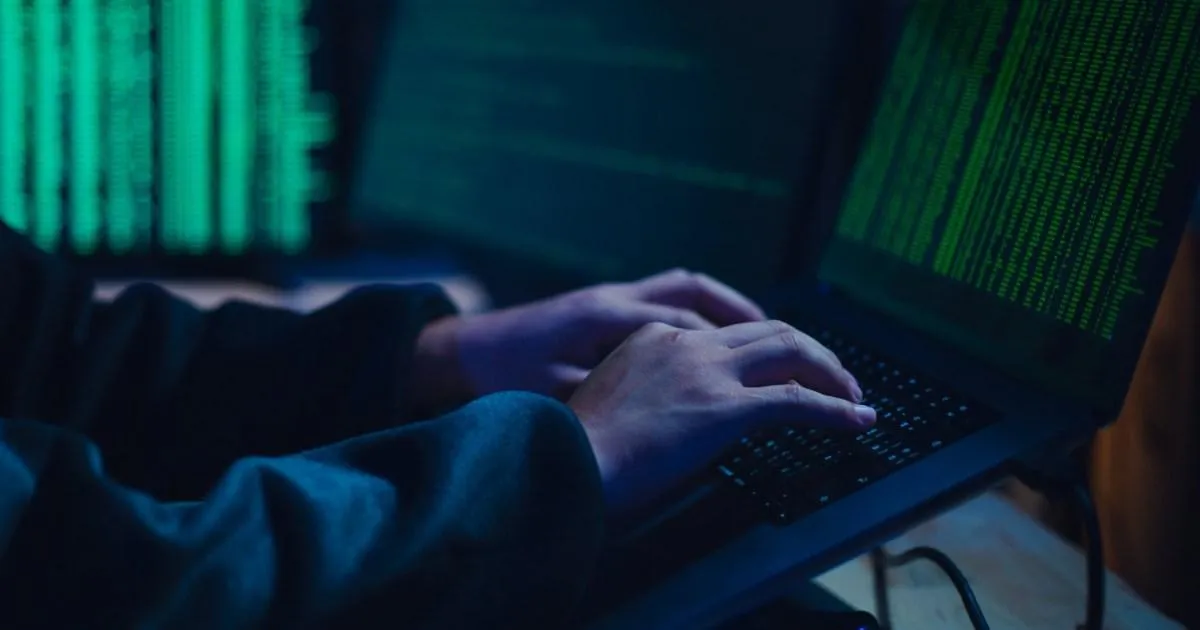
For thousands of families in Bristol, the news landed like a punch to the stomach: more than 320,000 files had been stolen from a school server used by the city council, and those files were now being published on the dark web. The attack happened in September, but the weight of it is still unfolding. A total of 88 schools that use the council’s Trading with Schools IT platform have been affected, meaning thousands of pupils, parents, carers, and staff members are now caught in a strange, unsettling limbo. The personal data—names, addresses, possibly dates of birth, and much more—has been taken from a place that was supposed to be safe: the very system schools use to communicate with families, manage records, and keep everyday operations running. As investigators work behind the scenes, the council has not yet confirmed exactly which schools or which individuals were caught up in the breach. That lack of certainty is perhaps the cruelest part. You can’t protect yourself from a threat you can’t fully see. You can’t reassure your child that everything is okay when you don’t yet know if their name is floating around in the hidden corners of the internet. It is the kind of news that makes you want to lock the door and check every account, even though there is nowhere specific to point your fear.
What makes this breach so deeply human is the nature of the data involved. These aren’t just random numbers or abstract records. They are the details of childhood and parenthood—school attendance notes, special educational needs plans, emergency contact information, medical conditions, perhaps even free school meal eligibility and behavioural records. For staff members, it could include payroll information, references, and other sensitive employment data. For children, it could include the quiet, everyday things that schools track without anyone thinking twice: a food allergy, a learning support requirement, a family situation that a teacher once noted in confidence. In the wrong hands, this kind of information becomes a key that opens doors to identity theft, phishing scams, and fraud. It can also be used to craft convincing, manipulative messages that appear to come from a headteacher, a school administrator, or a familiar local authority. The dark web publication means that this data is no longer locked away in a hacker’s private stash—it is out there, circulating among criminals who specialise in exploiting exactly this kind of stolen material. And because children’s records are often considered “clean” and untarnished, they are especially valuable. A child’s innocent school record can be used to create fake identities or store up credit for years before anyone realises. That is not just a cybersecurity failure; it is an invasion of trust that strikes at the safety of families.
Bristol City Council has responded with the cautious language of an institution in crisis. Officials say they are working with schools, cyber security specialists, Avon and Somerset Police, and the Regional Organised Crime Unit as investigations continue. Vik Verma, the council’s director of education and skills, has urged parents and carers to remain alert. His message is simple: “Be cautious of unexpected messages, emails or phone calls, and follow the guidance being shared through schools. We continue to work closely with schools, cyber security specialists and law enforcement partners to understand the full impact of this incident. We will keep schools, parents and carers updated as more information becomes available.” It is the kind of statement that tries to sound calm, but behind it there is a genuine, frantic effort to trace what was taken and prevent further damage. The warning about unexpected messages is especially important. In the aftermath of a data breach, criminals often use stolen information to launch phishing attacks that look eerily genuine—an email “from” your child’s school asking you to verify a bank account, a text message “from” the council with a link that looks official, a phone call from someone who already knows your child’s name and date of birth. The safest instinct is suspicion. But for parents already juggling homework, packed lunches, and the general chaos of school life, having to add “be suspicious of every message” to the list feels exhausting and unfair. Yet it is necessary.
This attack did not happen in a vacuum. It comes after a string of high-profile cyber attacks across the country and beyond, including hackers targeting supermarket refrigeration systems on the continent. The National Cyber Security Centre—the UK’s authority on cyber threats—warned last year that education was one of the most targeted parts of the public sector. Sarah Lyons, the NCSC’s deputy director, previously warned that attacks on schools, colleges, and universities could disrupt learning and put sensitive information at risk. For anyone who has watched school IT systems evolve, this vulnerability is hardly a surprise. Schools often run on tight budgets, with legacy software, limited dedicated security staff, and thousands of users accessing systems from home devices, school Chromebooks, and personal phones. Teachers are already stretched thin, and cyber awareness training is not always a priority compared with the daily demands of lesson planning, safeguarding, and classroom management. Hackers know this. They don’t see a school as a place of learning; they see it as a treasure chest of personal data protected by a fence that is often easier to climb than the one around a bank or hospital. Even worse, the disruption itself is part of the harm. When ransomware or data theft hits, lessons are disrupted, school meals can be affected, and parents lose confidence in the institutions they rely on. The fallout is not just financial—it is emotional and educational.
So what can parents and carers actually do now? The first step is to avoid panic, because panic rarely leads to wise decisions. The second step is to take sensible precautions. Change passwords on any school-related portals and apps, and make sure you are not using the same password across multiple accounts. Enable two-factor authentication wherever possible, especially on email accounts and anything connected to banking. Watch your bank statements and credit reports for anything odd—small charges, unfamiliar accounts, credit applications you didn’t make. Be deeply suspicious of unexpected messages, even ones that look like they come from your child’s school or from the council. Always contact the institution through a phone number or email address you know is genuine, not through the contact details provided in a suspicious message. If you get a phone call that seems to know too much about your family, don’t feel pressured to give more information. And talk to your children about online safety in an age-appropriate way—let them know that if someone contacts them claiming to be from their school or a trusted organisation and asks for personal details, they should come to you immediately. This is not about paranoia; it is about building a small wall of caution around your family’s digital life. It’s the online equivalent of double-checking that the front door is locked before going to bed.
Ultimately, this breach is a reminder that trust in the digital age is fragile. Schools and councils hold some of the most intimate details of our lives, and when that information is stolen, it feels deeply personal—because it is. The responsibility now falls on institutions to do more than send out carefully worded statements. It is not enough to say that an investigation is ongoing. There needs to be a clear plan for free, accessible support for families whose data has been exposed, including identity protection services, a straightforward way to report concerns, and transparent communication that does not hide behind legal jargon. There needs to be a serious, long-term investment in cybersecurity for the education sector, not just after an attack but before the next one comes. And there needs to be a recognition that the people at the centre of all this are children and families—not “data subjects,” not “incident notifications,” but real people who have been made to feel unsafe in a space that should feel secure. In the coming weeks, more information will emerge, and some families may learn that their details were indeed part of the stolen files. For them, this will be the beginning of a longer journey of monitoring, protecting, and hoping. But even in the middle of that uncertainty, there is something to be held onto: the resilience of schools, parents, and communities. The computers can be patched, the passwords can be changed, and the systems can be rebuilt. What matters most is that the people affected are treated with honesty, patience, and care. Because in the end, this story is not just about 320,000 stolen files. It’s about the 88 schools, the thousands of families, and the simple, precious trust that a parent places in a teacher and a school every single morning. That trust can be attacked, but it doesn’t have to be destroyed. With the right response, it can be rebuilt—one honest conversation, one cautious click, one caring message at a time.