


The recent bombing at the Balzi Rossi restaurant in Moscow serves as a sobering reminder of the fragile nature of safety in an increasingly volatile world. What should have been a night of celebration at an upscale venue in the heart of the city was shattered by a calculated act of violence, leaving behind a trail of tragedy and unanswered questions. Reports indicate that a woman arrived at the establishment attempting to deliver a parcel described as a “gift.” This seemingly mundane gesture turned into a nightmare when the package, later identified as a TNT-laden explosive device packed with metal pellets, was detonated remotely. The immediate result was chaos, as the explosion tore through the venue, claiming the lives of the courier, a vigilant security guard who had denied her entry, and an unfortunate guest caught in the blast radius.
The human toll of this incident extends far beyond those who lost their lives. According to officials from the Russian Ministry of Internal Affairs, at least 21 people were injured in the attack, many of whom are currently receiving emergency care in Moscow’s hospitals. For the families of the victims, the day has transformed into a life-altering tragedy, while for the survivors, the psychological scars will undoubtedly linger long after their physical wounds heal. The cold efficiency of a remote detonation adds a particularly haunting layer to the event, suggesting a level of planning and detachment from the perpetrators that makes the act feel all the more predatory and impersonal.
One of the most unsettling aspects of this investigation is the potential involvement of the courier herself. According to reports from the Russian daily Kommersant, there is a possibility that the woman delivering the package was an unwitting pawn, unaware of the lethal contents she was carrying. If this is true, it paints a dark picture of a perpetrator who weaponized an unsuspecting individual to bypass security protocols, turning a stranger into a tragic accomplice. This detail complicates the narrative, shifting the focus toward a faceless, ruthless entity willing to manipulate human trust to achieve a violent end.
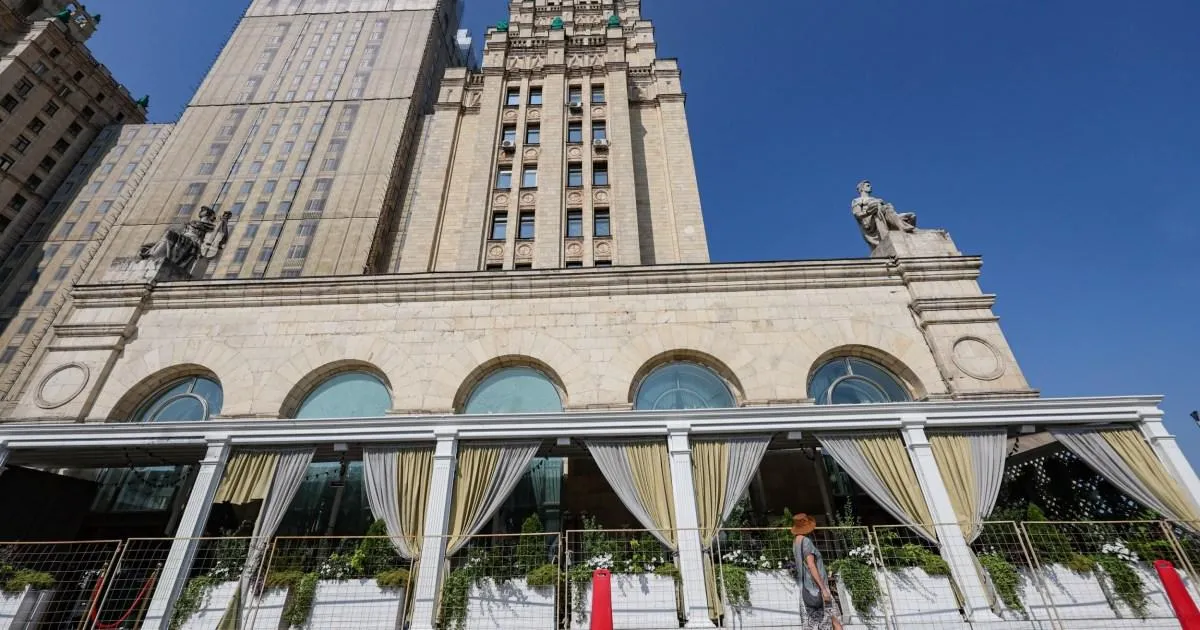
In the aftermath of the explosion, Moscow Mayor Sergei Sobyanin publicly denounced the event as a “brutal terrorist act.” In a statement shared on social media, he expressed his condolences to those affected and promised that the full weight of the state’s investigative apparatus would be brought to bear on the culprits. While the rhetoric from official channels is firm, the atmosphere in the capital remains thick with uncertainty. As investigators pore over the debris on Kudrinskaya Square, the public is left to wonder about the motives behind such a targeted strike. Despite the intensity of the search for the perpetrators, no group has yet stepped forward to claim responsibility, leaving the investigation in a tense, speculative vacuum.
The primary point of intrigue for international observers and local analysts alike is the potential target of the attack. Reports suggest that the Balzi Rossi restaurant had been booked for the 55th birthday celebration of General Colonel Alexander Chaika, a prominent figure serving as the new commander of the Russian Aerospace Forces. Chaika is a highly controversial figure, having been sanctioned by the European Union for his command of forces in the Kyiv region during the early stages of the ongoing war, including the period surrounding the atrocities in Bucha. While Chaika reportedly escaped the event unscathed, the implication that a high-ranking military official was the intended target suggests that this was not a random act of violence, but rather a strategic escalation in a broader, ongoing conflict.
Ultimately, the tragedy in Moscow encapsulates the terrifying unpredictability of contemporary geopolitical strife. While some Russian commentators have been quick to point fingers toward Kyiv, the Ukrainian government has maintained silence, and no concrete evidence has been provided to substantiate claims of direct responsibility. As the investigation unfolds, the world watches to see how this event will ripple through an already strained global landscape. Whether this was an act of internal retaliation, a spillover effect of the war, or something else entirely, the reality remains the same: innocent people lost their lives to a faceless terror, leaving the city of Moscow to reckon with the heavy cost of violence.