
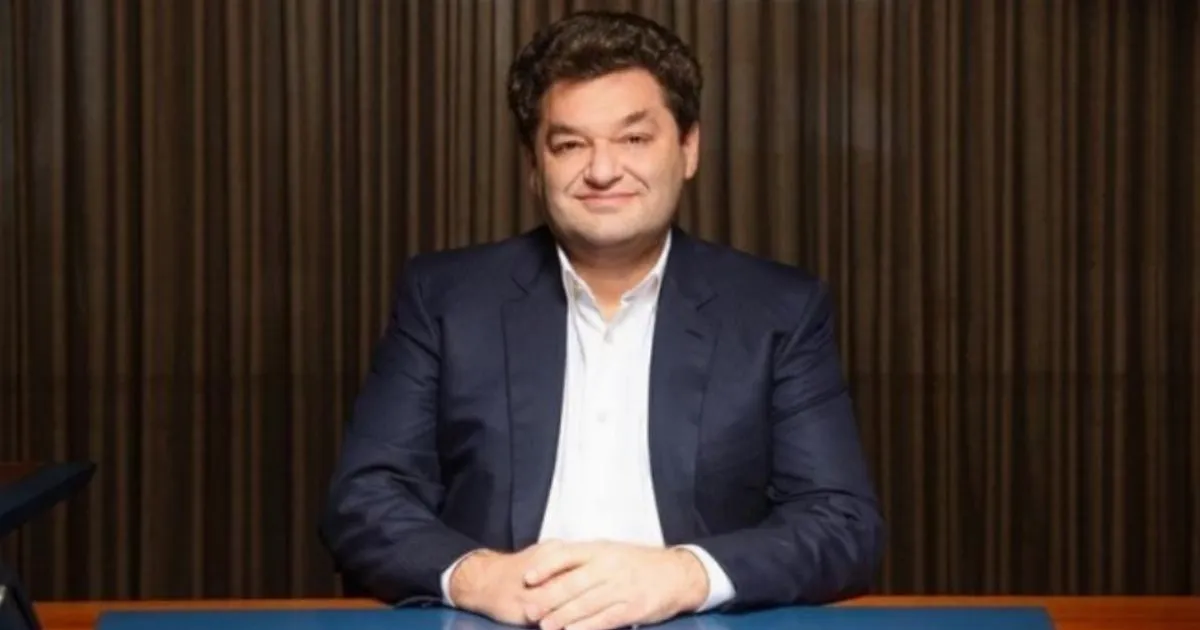
The recent, shocking explosion in the quiet, affluent streets of Monaco has sent ripples through the international community, centering on the harrowing experience of Ukrainian multi-millionaire Vadim Ermolaev. As investigators race to piece together the events of that night, the focus has shifted from the glitz of Monaco to the dark reality of a calculated attack. Ermolaev, 58, was caught in a blast that has left him, his young son, and his London-based companion, Anna Nasobina, fighting for their lives. While early confusion led many to suspect his wife, Anna Ermolaev, was the victim, she has since confirmed she was abroad at the time, leaving the public to grapple with the complex personal circumstances now tangled within a violent criminal investigation.
The shadow hanging over the incident is as deep as the mystery surrounding the explosive itself. Ermolaev has long been a polarizing figure, having faced government sanctions in 2023 over allegations that his businesses continued to operate within Russian-occupied Crimea. Although he has vehemently denied these claims, asserting that his assets were forcibly seized by Russian forces, his public persona has been fraught with controversy. After relocating to Monaco following the 2022 invasion of Ukraine, he found himself under scrutiny for a lifestyle of extreme opulence—showcasing Bentleys and megayachts while his countrymen suffered under the weight of war. This juxtaposition of intense wealth and political scandal provides a murky backdrop for the attack, raising difficult questions about who might have wanted him silenced.
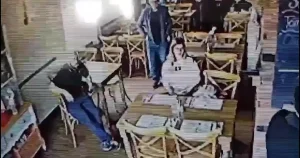
The sheer brutality of the attack suggests a level of premeditation that sent a chill through the principality. Surveillance footage captured a figure in a tracksuit and hat stalking the area before planting a backpack—thought to be packed with shrapnel—at the entrance of the Cuomo Foundation building. The resulting blast was catastrophic. Nearby witnesses described a scene of absolute chaos, with a young child injured amidst the rubble and a blood-covered man staggering out of the building only to have the staircase collapse beneath him. The brave, immediate response of local residents, particularly a doctor who performed life-saving first aid on the victims before emergency responders arrived, highlights the sheer intensity of the trauma inflicted on the scene.
Monaco’s Minister of State, Christophe Mirmand, has publicly acknowledged that this was not a random act of violence, but a targeted strike against the family. The precision with which the suspect waited for the victims, coupled with their tactical escape toward the nearby French town of Beausoleil, points toward a professional operation rather than a spur-of-the-moment grievance. The fact that the device was designed to cause maximum harm at the building’s entrance has led many security experts to interpret the event as a calculated “warning”—or perhaps something even more sinister. In the landscape of current European security, where intelligence agencies have warned of an uptick in state-sponsored shadow operations, this incident feels like part of a much wider, more dangerous game.
For the victims and their families, the political implications and the luxury lifestyle headlines are secondary to the raw, human tragedy unfolding in hospital rooms. As the investigation continues, officials are retracing the suspect’s footsteps across the French border, hoping that the digital evidence gathered from the streets of Monaco will provide the key to stopping whoever took such ruthless action. There is a palpable tension in the air as authorities weigh the possibility that the tentacles of the ongoing war in Ukraine have reached deep into the heart of one of the world’s safest tax havens. It is a grim reminder that in a globalized world, wealth and status offer no impenetrable shield against the reach of long-standing, violent rivalries.
Ultimately, this story serves as a somber reflection on the volatility of our current times. It bridges the gap between the high-stakes politics of national sanctions and the visceral, human cost of violence. While the world watches to see if Ermolaev and his family will recover, the focus remains on the pursuit of justice by French and Monegasque law enforcement. Whether this attack proves to be a settling of personal scores, a byproduct of corporate disputes, or an act of political retribution in the context of the Russo-Ukrainian war, one thing is certain: a quiet luxury enclave has been irrevocably changed by a blast that served as a loud, terrifying declaration of conflict.