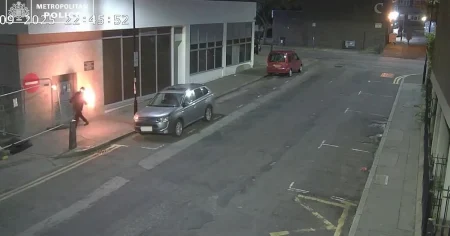



At first glance, the scene was straight out of a London crime thriller: a black SUV reversing into a gleaming Mayfair boutique, glass exploding across the pavement, a moped rider hovering nearby as a lookout, and stolen designer handbags worth tens of thousands of pounds being stuffed into plastic bags. But when the dust settled, the people behind the £500,000 ram-raid spree turned out to be not cinematic masterminds but a tangled network of acquaintances with long criminal records, borrowed family cars, and a remarkable talent for getting caught. At Inner London Crown Court, Ryan Brough, 32, and Max Tyson, 25, both from Islington, were each jailed for 40 months after admitting two counts of conspiracy to burgle in connection with five raids on high-end boutiques between November and January. The pair used vehicles including a black Toyota SUV and a white Mitsubishi to smash through fortified shopfronts, making off with nearly half a million pounds in luxury goods before detectives from the Met’s elite Flying Squad finally caught up with them. For a city used to high-stakes crime, the raids had a strange, almost amateurish quality: a family car used as a battering ram, a thief standing by with a plastic bag, and a getaway that involved one defendant driving a 600-mile round trip in a single day to sell stolen goods, only to bank a paltry £1,800. The sentence brought a measure of closure to a bizarre crime wave that left shopkeepers, security teams, and court staff shaking their heads at the gap between the glamour of the targets and the messiness of the methods.
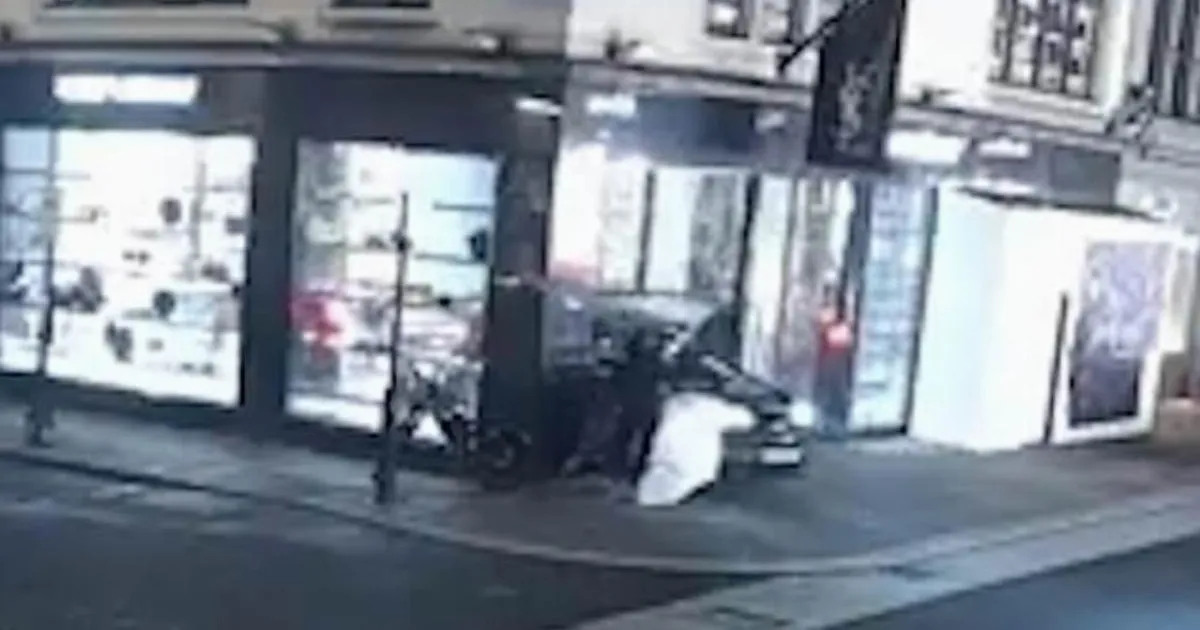
The most dramatic of the raids took place on 23 January, when Brough and Tyson turned a black Toyota SUV into a weapon against the fortified windows of Yves Saint Laurent on Old Bond Street. The street, one of the most expensive and watched shopping stretches in London, normally exudes polish and calm, but on that morning it became the backdrop for a blunt and noisy attack. A moped rider kept watch while another accomplice stood ready with a large plastic bag. The SUV reversed into the glass not once, not twice, but three times, each impact sending shockwaves through the frame until the vehicle finally ended up inside the store. Once through, the driver nudged the Toyota forward just enough to give the burglars access to the shop floor, and the team moved quickly, scooping up a large number of leather handbags valued at around £30,000 each. The sheer value of a single bag—more than many people earn in a year—made the theft feel all the more brazen, and the fact that the vehicle had to be rammed through security glass designed to stop exactly this kind of attack showed a level of determination that bordered on desperation. The raid lasted only minutes, but it left behind a scene of shattered luxury: glass crunching underfoot, alarms blaring, and the kind of damage that would take weeks and thousands of pounds to repair. For the employees who arrived later or watched from nearby shops, it must have been both terrifying and surreal to see a family SUV embedded in a designer storefront. The raiders, by contrast, seemed almost nonchalant, working quickly and calmly until they had what they came for, then vanishing into the streets of the West End with bags full of some of the most sought-after accessories in the world.
That January raid was not the first time Brough and Tyson had targeted the same store. In November, they had attempted the exact same trick on Yves Saint Laurent using a Vauxhall Insignia, but the plan fell apart when builders working on a nearby construction site disturbed them. The noise and movement of a live building site spooked the pair, and they fled empty-handed, leaving behind only the suspicion of what they had been about to do. Far from being deterred, however, they simply shifted their attention to other luxury retailers. On 17 November, they hit Bottega Veneta on Old Bond Street and made off with designer goods worth £40,000. On 1 December, they carried out a similar raid at END Clothing in Broadwick Street, the Soho street known for its fashion and streetwear culture. Then on 16 December, they mounted one of their most lucrative jobs: a raid on Loro Piana, the luxury Italian fashion brand located a short walk from Harrods in Knightsbridge. This time they used a white Mitsubishi SUV, reversing it into the windows of the store and walking away with goods worth just under £400,000. The scale of that single haul dwarfed the others, and it was a stark reminder that while the tactics were crude, the payoff could be enormous. Across the five raids, the total value stolen was around half a million pounds, and the pattern was consistent: expensive vehicles used as battering rams, high-end windows smashed, designer products grabbed in bulk, and then a rapid disappearance into the traffic and side streets of London. The raids were not sophisticated in an espionage sense; they were brute-force operations, relying on speed, audacity, and the willingness to risk everything for a few minutes inside a luxurious store.
What ultimately brought the pair down was not just the violence of their methods but the established detective work of the Flying Squad, the Met’s legendary unit that targets armed robbery and organized crime. Brough and Tyson, both of whom had previous convictions for theft and robbery, were arrested later on the same day as the January Yves Saint Laurent raid. The speed of the arrests suggested that police had been watching closely, perhaps linking the suspects to the earlier attacks. The investigation also exposed a wider circle of people who had helped the raids happen, whether by lending vehicles or by handling the stolen goods afterwards. Oliver Ndayizeye, a 36-year-old chef from Islington, admitted encouraging or assisting an offence by providing Brough and Tyson with his Vauxhall Insignia—the car used in the aborted November raid on YSL. He was sentenced to 36 weeks in prison, suspended for 12 months, a punishment that reflected his lesser role but still carried the weight of criminal responsibility. Then there was Sonny Stringer, 30, a thief once dubbed “London’s most notorious phone snatcher,” who admitted handling designer goods taken in the raids. Stringer had already been jailed for two years in 2024 after using an e-bike to steal 24 phones in a single morning, a feat that had made him something of a reluctant celebrity in London’s crime annals. He pleaded guilty to handling on the basis that he had no involvement in the actual raids, but his presence in the case underscored how the stolen luxury goods had to be moved, fenced, and sold. Harry Johnson, 24, also admitted handling stolen goods, completing a cast of characters who ranged from the ram raiders themselves to the people who made their crimes possible and profitable.
The courtroom proceedings offered a few startling glimpses into the reality of what happened after the glamorous heists. Patrick Hill, defending, told the court that after one of the raids, Tyson had made a 600-mile round trip in a single day to sell some of the stolen goods. It was a grueling journey, the kind of slog that might seem oddly out of place for someone who had just stolen hundreds of thousands of pounds in luxury items. The reward, however, was shockingly small: after all that driving, he ended up paying just £1,800 into his bank account. The image of a man spending an entire day on the motorway to sell a bag worth more than most monthly salaries for less than two thousand pounds captured the strange economics of crime, where risk and effort rarely match the final reward. It also humanized Tyson in a way that neither the raids nor the charges had: he was not some suave master criminal living a champagne lifestyle, but a man who appeared to be scraping together whatever cash he could, one desperate transaction at a time. The court also saw a jarringly emotional moment as Tyson and Brough were led from the dock. Instead of hanging their heads in shame or anger, they waved and blew kisses to members of their family in the public gallery, a gesture that seemed equal parts bravado and affection. For their relatives, the sight of them being taken away must have been heartbreaking; for the court, it was a reminder that even the most reckless offenders are also sons, partners, and friends. The suspended sentences handed to Ndayizeye and Stringer meant that they would walk free, but they would carry the weight of criminal records and the knowledge that their involvement in such a brazen spree had not gone unpunished.
In the end, the story of Brough and Tyson is less about the allure of luxury goods and more about the grim mechanics of desperation. The raids on Yves Saint Laurent, Bottega Veneta, END Clothing, and Loro Piana were headline-grabbing acts, but the aftermath revealed a world of cheap victories and costly mistakes: a family car turned into a battering ram, a plastic bag held open for a £30,000 handbag, a 600-mile round trip for £1,800, and a courtroom full of people waving goodbye to loved ones who would now spend years behind bars. The luxury boutiques repaired their windows, restocked their shelves, and moved on, but the damage went deeper than glass and steel. Employees who had arrived at work to find their stores ransacked had to cope with the shock of violation; security teams had to rethink layouts and reinforce already reinforced barriers; and the quiet sense of safety that shoppers in Mayfair and Knightsbridge usually take for granted was temporarily shattered. The sentences handed down by Inner London Crown Court were meant to send a message: that no matter how high-end the target, these crimes would not be treated lightly. Forty months in prison for each of the architects of the spree may seem a fraction of the harm they caused, but it is a real and punishing consequence. The two men left the dock blowing kisses, but they will now spend long months in the cramped, unglamorous reality of prison life, far from the marble floors and bright lights of Old Bond Street. And as London moves on, the case remains a cautionary tale about how quickly a family car, a borrowed Vauxhall, and a stolen idea can lead not to wealth, but to handcuffs.