

The morning air at Johannismühle Wildlife Park was crisp and quiet, the kind of morning that promises a day of wonder and discovery. For an eight-year-old girl, it must have felt like stepping into a storybook, a place where wolves and bears and lynxes roamed and where the boundaries between the human world and the wild felt thrillingly close. But that storybook morning turned into a nightmare in an instant. On Wednesday, the girl was attacked by a wolf inside the enclosure at the park, located in Brandenburg, just south of Berlin. The attack left her seriously injured, with head wounds so severe that she had to be airlifted to a hospital. According to police, she was inside the wolf enclosure at the time of the incident, accompanied by a staff member and two other children. No one else was physically hurt, but the emotional shock of the event will linger far longer than any bandage or cast. The exact circumstances of what happened remain murky, and investigators are now trying to piece together how a seemingly supervised encounter with a captive animal could go so catastrophically wrong.
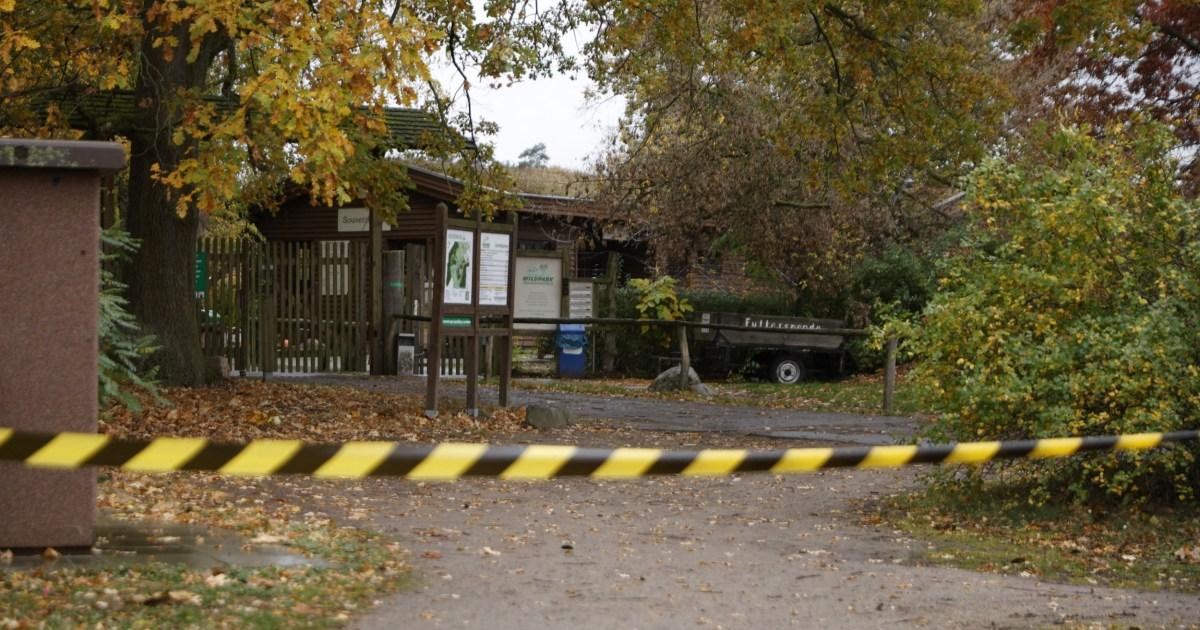
The wildlife park, set in the small town of Baruth/Mark, is not a concrete-and-cage zoo. It describes itself as a place where visitors can encounter animals up close, where nature is meant to be felt rather than just observed. Its sprawling grounds are home to grey wolves and Arctic wolves, as well as brown bears, lynxes, and a host of other creatures. The park offers small-group tours and special animal encounters, including the chance to feed wolves and pet llamas, experiences designed to forge personal connections between humans and animals. It is precisely that intimacy, that promise of closeness, that now feels so hauntingly dangerous. The attack happened before the park opened to the public at 10 a.m. local time, which has led to speculation that the girl was participating in one of these exclusive, behind-the-scenes experiences. The entrance to Johannismühle has been cordoned off with barrier tape, and a normally lively place now sits in a state of somber silence. The park has temporarily closed its gates, with its website indicating a reopening date of November 2, but the emotional reopening for the family, the staff, and the witnesses will take far longer. For now, the only sounds inside the park are the rustling of leaves, the distant calls of animals, and the heavy weight of unanswered questions.
In the aftermath of the attack, the focus has rightly turned to the little girl and her family. She lies in a hospital bed, fighting to recover from injuries that no child should ever have to endure. Her parents, who likely dropped her off in trust, believing she was in safe hands, are now living every parent’s worst nightmare, navigating a world of hospital corridors, anxious glances, and crushing uncertainty. The two other children who were present have also been touched by trauma, their innocent understanding of animals forever altered by what they witnessed. The park staff, too, are in a state of grief and shock; the very people who dedicated their lives to caring for these creatures now find themselves at the center of a tragedy they never anticipated. This is not just a story about a wolf attack; it is a story about trust broken, about the illusion of safety shattered. For the small community of Baruth/Mark, the park is a source of local pride, a place where families go for birthdays, school trips, and Sunday afternoons. Now, that beloved landmark is the scene of a painful mystery, and the silence that hangs over it feels heavy with sorrow. Police are conducting a thorough investigation, examining how the girl came to be in such close proximity to a wolf and why the standard safety protocols failed to prevent this unimaginable event. But even as investigators search for answers, the deepest questions remain unanswerable: Why this child? Why that morning? Why such a beautiful animal turned so suddenly into a source of devastation?
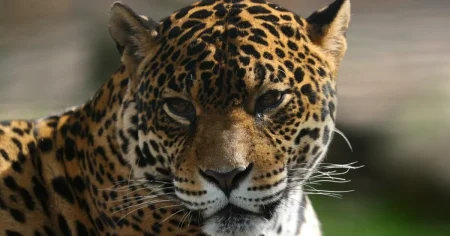
This tragedy is not an isolated one. Across Europe, in recent weeks, there have been a series of disturbing incidents involving animals at wildlife parks and zoos, each one a reminder that no matter how well-fed, well-trained, or seemingly tame a wild animal may appear, its instincts are never fully extinguished. In the Netherlands, a zookeeper was mauled to death by a leopard earlier this week, a brutal attack that shocked the nation and left colleagues grappling with the loss of someone who had shared their life with these creatures. At Yorkshire Wildlife Park in England, a man was killed by a tiger, an event that sent ripples of fear through the wildlife community. These are not random acts of animal aggression; they are profound reminders of the fundamental truth that captivity, however spacious or enriching, cannot erase the wildness inside a wolf or a leopard or a tiger. Wildlife parks exist at a fraught crossroads. They offer incredible opportunities for education, conservation, and human connection, allowing people to see majestic animals up close and develop a deeper appreciation for the natural world. But they also place humans and predators in potentially lethal proximity, and when something goes wrong, the consequences are catastrophic. The frequency of such attacks in recent weeks should give every park, every zookeeper, and every visitor pause. It is not enough to assume that an animal will behave predictably because it has done so a thousand times before. The thousand and first time can be the one that changes everything.
At the heart of this incident lies a difficult ethical question about our relationship with wild animals. We want to admire them, protect them, and understand them, but we also have a tendency to forget that they are not actors in a human story; they are living beings with their own instincts, fears, and reactions. A wolf in an enclosure is still a wolf, a master predator whose survival has depended for millennia on quick decisions and powerful jaws. When we place a child beside such a creature, even with staff present, we are making a calculated gamble, and sometimes the odds turn brutal. Wildlife parks often market these encounters as once-in-a-lifetime experiences, but the pursuit of wonder must never come at the cost of safety. The staff member present during the attack was presumably experienced, trained, and well-intentioned, yet that was not enough to stop a wolf from doing what nature has wired it to do. This tragedy calls for a reevaluation of so-called animal encounters at parks across the world. How close is too close? What exactly does a “supervised” interaction guarantee? And are the risks ever truly justifiable when a child’s life is on the line? These are not easy questions, and they come at a time when the public is increasingly divided about zoos and wildlife parks. Some argue that these institutions are essential for conservation and education, while others see them as prisons that commodify living creatures. Whatever the position, one thing is clear: incidents like this one reveal the precarious line we walk when we choose to share our world with animals that were never meant to be fully controlled.
As the days pass and the investigation unfolds, one can only hope that the little girl will make a full recovery, that her laughter will return, and that the scars, both visible and invisible, will slowly fade. Her story has become a poignant symbol of the fragile relationship between humans and the natural world, a relationship built on awe, respect, and, sometimes, a terrible misunderstanding. The wolf, too, is a victim of sorts, a creature caught between its nature and the unnatural circumstances of its captivity. In the wake of this incident, the park will reopen its gates, but things will never quite be the same. There will be new rules, new barriers, new protocols, and likely a much more cautious approach to animal encounters. Perhaps there will be fewer opportunities for visitors to get dangerously close to predators, and perhaps that is the right outcome, even if it feels like a loss. We can still love wolves, still marvel at their beauty, and still work to protect them in the wild, without stepping inside their enclosures. We can still teach children about the power of nature without letting them stand at the edge of a predator’s domain. This tragedy is a painful lesson, but it is one that must be learned. The silent forest paths of Johannismühle will echo with the memory of that morning for a long time, but with care, with honesty, and with a renewed commitment to safety, something good may yet grow in the shadow of this sorrow. For now, the world watches and waits, holding its breath, hoping for the recovery of a child whose innocence was torn away, and praying that no other family will ever have to endure such a heartbreaking encounter with the wild.