


The Assassination of Lieutenant General Igor Kirillov: A Deep Dive into the Incident and its Implications
The death of Lieutenant General Igor Kirillov, a prominent figure in the Russian military, has sent shockwaves through the international community. Kirillov, the head of Russia’s Nuclear, Biological, and Chemical Protection Forces, was killed in a targeted bombing in Moscow, adding another layer of complexity to the ongoing conflict between Russia and Ukraine. This assassination, occurring relatively close to the Kremlin, raises serious questions about security breaches and the potential for escalating tensions. The incident also highlights the evolving nature of warfare, with unconventional tactics like targeted assassinations becoming increasingly prevalent. Kirillov’s role in the alleged use of chemical weapons in Ukraine adds a particularly unsettling dimension to his demise, prompting international scrutiny and condemnation.
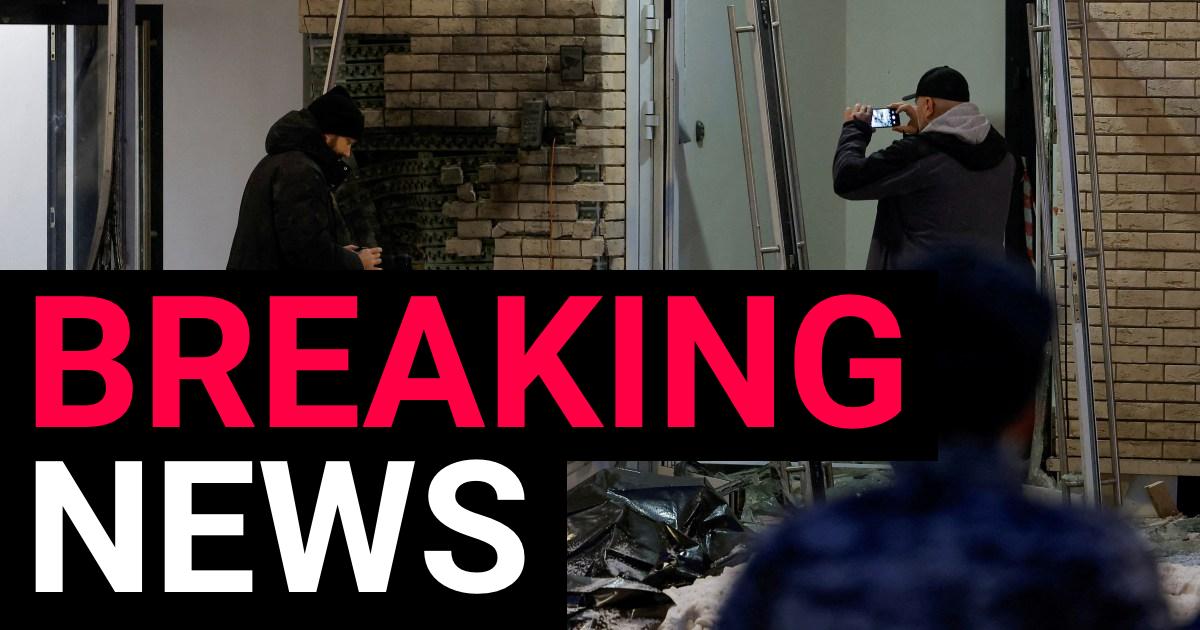
The circumstances surrounding Kirillov’s death are shrouded in intrigue. Reports suggest that a bomb was concealed within an electric scooter, detonating as the general exited his apartment building. This method of assassination speaks to a level of sophistication and planning, raising questions about the perpetrators’ resources and capabilities. While no group has officially claimed responsibility, Ukrainian authorities had publicly accused Kirillov of overseeing the use of chemical weapons against their troops just a day prior to the bombing. This accusation, coupled with the timing of the attack, inevitably casts suspicion on Ukraine, although concrete evidence linking them to the assassination remains elusive. The investigation into the bombing is ongoing, with Russian authorities working to identify and apprehend the individuals responsible.
Kirillov’s position as the head of Russia’s NBC Protection Forces placed him at the center of several controversies. He was known for disseminating conspiracy theories regarding Western involvement in biological and chemical warfare in Ukraine. His accusations often lacked concrete evidence, leading to widespread skepticism and accusations of disinformation. Kirillov’s claims regarding US-funded biolabs in Ukraine, allegedly developing biological weapons using animals, were particularly contentious. He also accused Ukraine of plotting provocations involving toxic chemicals, further fueling tensions between the two nations. Kirillov’s role in spreading these narratives raises concerns about the potential for misinformation to escalate conflicts and erode trust in established institutions.
The UK government had previously imposed sanctions on Kirillov for his alleged involvement in the use of riot control agents and chemical weapons in Ukraine. This action underscores the international community’s growing concern over the use of chemical weapons in the ongoing conflict. The Ukrainian Security Service (SBU) went further, charging Kirillov in absentia with war crimes, accusing him of responsibility for over 4,800 documented instances of Russian troops employing chemical munitions. These accusations paint a grim picture of the conflict’s impact on civilian populations and highlight the urgent need for accountability for those responsible for war crimes.
The assassination of Kirillov has far-reaching implications for the ongoing Russia-Ukraine conflict. It represents a significant escalation in the conflict’s intensity, moving beyond traditional battlefield engagements and into the realm of targeted killings. This act could trigger retaliatory actions from Russia, further destabilizing the region and potentially widening the scope of the conflict. It also underscores the increasing polarization and animosity between the two nations, making a peaceful resolution even more challenging.
The incident also raises critical questions about the safety and security of high-ranking military officials and the potential for further targeted attacks. The use of an electric scooter as a delivery mechanism for the bomb highlights the vulnerability of individuals, even those with high levels of security protection, to unconventional attack methods. This raises concerns about the potential for copycat attacks and the need for enhanced security measures to protect high-profile individuals. The assassination of Kirillov represents a significant turning point in the conflict, raising the stakes and introducing new uncertainties into an already volatile situation. The international community will be closely watching the investigation unfold and the potential ramifications of this act on the future of the conflict.