


From Rubles to Fear: How Russia’s Economy is Beginning to Crumble From Within
There is a quiet kind of panic spreading through the streets of Russia, and it isn’t being felt on the front lines or in war rooms, but in bank lobbies, beside glowing ATM screens, and around kitchen tables where ordinary families are making an increasingly anxious calculation about their future. As the war in Ukraine grinds on into its most punishing phase yet, Russian citizens are doing something deeply telling: they are pulling their money out of the banks in record numbers, clutching cash to their chests as a hedge against a future that appears more uncertain with every passing day. The conversation in the bread lines of Moscow and the queues of provincial cities has shifted from hope and patriotism to a far more imminent and personal fear, the terrifying possibility that Putin’s government might freeze their accounts, cap their withdrawals, or simply seize the wealth they spent their working lives accumulating.
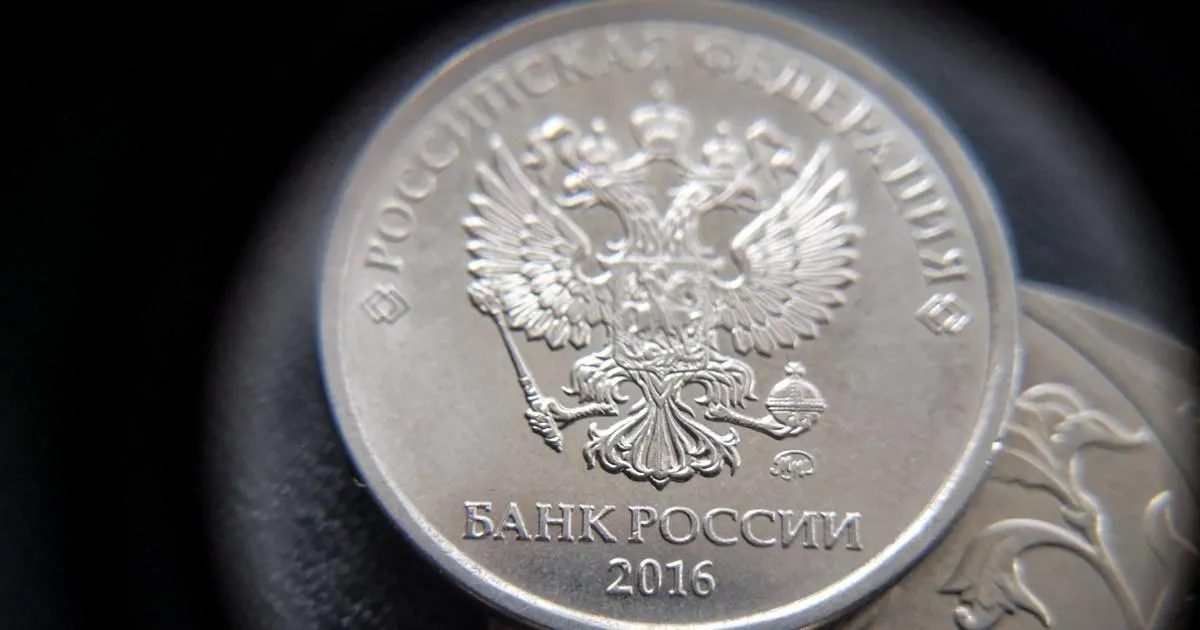
Over the first two weeks of August alone, the volume of cash in circulation across Russia swelled by a staggering 286.4 billion roubles, the equivalent of roughly £2.5 billion, as citizens rushed to withdraw physical currency from their accounts. It is a statistic that feels abstract until you consider the humanity behind it, the pensioners who remember the chaos of the Soviet collapse, the young families watching their savings evaporate in real time, and the middle-class professionals who never imagined they would see their country’ economy crater so dramatically. These are not speculative investors making calculated moves based on quarterly projections; they are everyday people waking up to the grim reality that the banks they trusted to safeguard their livelihoods may no longer be able to protect them from the economic fallout of a war gone horribly wrong. When banks bleed cash, it reveals more than just financial vulnerability; it exposes a deep crisis of national confidence that no amount of state propaganda can mask.
The numbers tell a story of escalating desperation that is nearly impossible to ignore. Russian banks have been hemorrhaging cash continuously, with the single highest outflow of 56.8 billion roubles, approximately £491.9 million, recorded on a single panicked day, August 12. But it is not just a sudden spike; it is the sustained, relentless pace of the exodus that has economists deeply concerned about the stability of the Russian financial system. The previous month witnessed what was then considered a catastrophic record, with more than 620 billion roubles, around £5.4 billion, vanishing from the banking system in what analysts describe as a modern-day bank run. For seven consecutive months now, money has flooded out of the country’s financial institutions, according to data from the Russian central bank, a period of sustained instability that aligns almost perfectly with the escalating failures of the military campaign in Ukraine. Each day reveals a fresh wave of anxiety as regions that were once considered the most stable and steadfast supporters of the Kremlin begin to question the cost of a war that seems to have no end in sight.
Analysts point to a combination of pessimism about the economy and a deep-seated, rational terror that the government might resort to desperate measures to fund its military machine. The conversation in economic circles has turned to the ominous possibility of a mass freeze on deposits or the imposition of strict caps on daily withdrawals, moves that would trap ordinary Russians’ money in an insolvent banking system while the Kremlin searches for a way to finance its endless war. The fear is not unfounded; history is littered with countries that, when backed into a corner by economic sanctions and military overspending, turned on their own citizens’ savings as a final source of loose capital. As the value of the ruble plummets and inflation eats away at whatever purchasing power remains, the local currency increasingly feels like a ticking time bomb in the hands of the working class, prompting even the most patient and loyal citizens to follow the universal instinct of self-preservation into the only safe haven they feel they have left, cold, hard cash.
Amid this financial panic, a war of information is being waged on Russian state television and across encrypted messaging apps. Rumors spread like wildfire across Russian Telegram channels predicting the inevitable freezing of accounts, forcing the government into an awkward position of denial. Anton Siluanov, the Russian minister of finance, took the extraordinary step of publicly branding these persistent posts as “fake news” in a statement, a desperate attempt to calm the panicking public. Yet the very fact that the government feels the need to deny such rumors so forcefully suggests they are striking a nerve, and the sight of officials appearing on state television to reassure citizens that their deposits are safe has done little to stop the bleeding. This cash demand has apparently drained the banks of their rouble liquidity, forcing the Central Bank of Russia to expand its lending to the financial sector just to keep the wheels of commerce turning, a startling admission of how close the system is to breakdown.
In a worrying new development, it is not just ordinary citizens who are moving money out of the country as fast as possible. Large Russian companies, the industrial giants and natural resource behemoths that form the backbone of the state economy, are reportedly shifting their funds abroad to avoid any potential seizures or freezes that could be triggered by a Russian military defeat. These corporate titans, more than anyone, understand the dire straits the country is in, and their flight to safety signals a profound loss of faith in the government’s ability to manage the economy. This high-stakes game of financial musical chairs comes at the same moment Moscow slammed Britain for supplying Ukraine with advanced drones for long-range strikes inside Russian territory, warning that such a move makes the UK a direct participant in the war. The rhetoric is heating up dangerously on all sides as the conflict enters yet another dangerous phase of escalation, and the poor, frightened citizens of Russia are left wondering who will be the first to blink in this catastrophic game of global chicken.
As the economic noose tightens, the human cost of this war continues to mount, both at home and on the front lines of the conflict in Ukraine. In the Zaporizhzhia region, a Russian guided aerial bomb attack on a civilian residential area claimed the lives of two innocent people and left ten others wounded, with the bloody reality of airstrikes continuing to tear apart families and communities, regardless of the Kremlin’s desperate attempts at negotiation. The strikes have only intensified Russia’s vulnerabilities, with Ukrainian drones reaching deep into Russian territory to target strategic military installations and oil refineries in cities like Tula, home to multiple defence plants, and Ufa, a major oil capital where a refinery was hit, sparking yet another massive fire. As Russia grapples with critical petrol shortages and agonizingly long queues at gas stations, the so-called “special military operation” has morphed into an existential crisis that strikes at the very heart of the Russian soul.
Yet, for all the talk of missiles and sanctions, of bank runs and currency fluctuations, the most profound casualty of this conflict might be the simple peace of mind that comes from a stable future. In the complex diplomatic dance between Russia and the West, UK Prime Minister’s comments about being 100% behind Ukraine come as a stark reminder of the international dimension of this bloodshed. Foreign Minister Sergei Lavrov has warned that Russia retains the right to act anywhere on the high seas if someone encroaches on its interests, a thinly veiled threat as the conflict continues to draw in ever larger global powers. For now, the citizens of Russia are left with little more than hope that the money in their pockets will be worth something tomorrow, that the banks will still be open, and that the war that was supposed to last only a few weeks will not consume everything they hold dear. It is a hopeful prayer, a last-ditch hope that the leadership will somehow come to its senses before the entire country is lost to the flames of a war they never wanted to fight.