
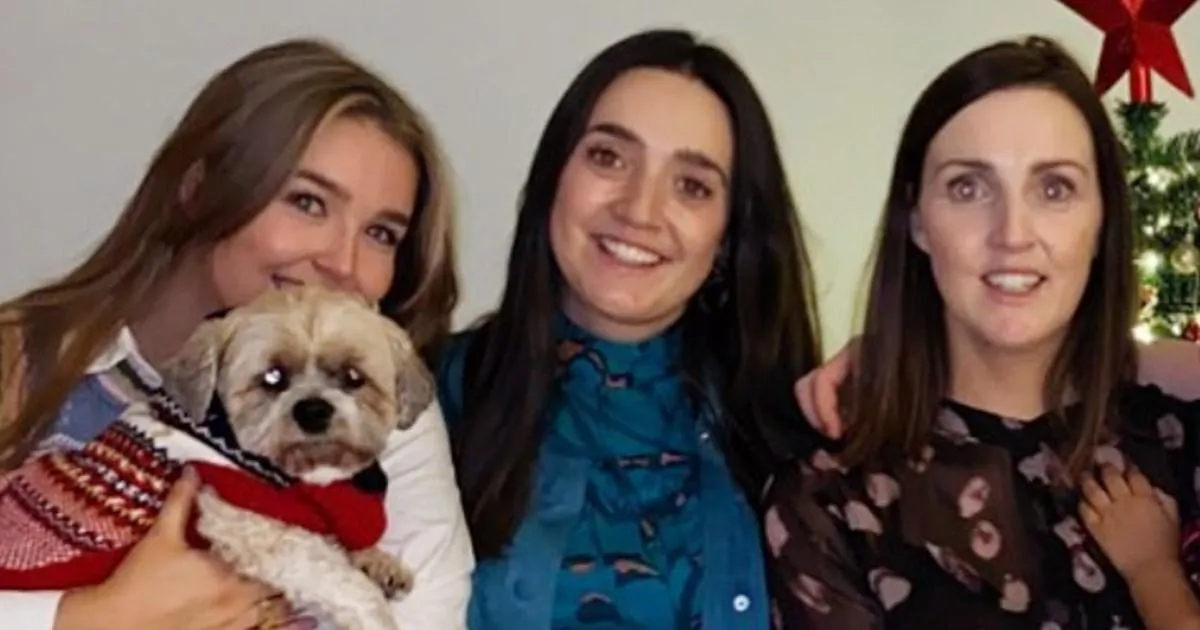
The quiet darkness of a pre-dawn Sunday morning was shattered in an instant on the M9 motorway in County Kildare, Ireland, transforming a routine journey to the airport into a scene of unimaginable horror. Three sisters—Niamh Kinsella, Alma Kinsella, and their younger sibling Ella Hendricken—were travelling together, accompanied by a seven-year-old boy, on their way to Dublin Airport to catch a flight for a family wedding in the UK. The mood in the car would have been one of excitement and anticipation, a happy start to a celebratory family occasion. But that all changed in a violent, head-on collision with a high-powered BMW driven by a gang of teenagers travelling the wrong way down the motorway. The impact was catastrophic, leaving the sisters and the young child with serious injuries and claiming the lives of all five teenagers in the other vehicle, transforming a story of family joy into a tale of profound tragedy that has sent shockwaves through the local community and the entire nation.
In the immediate aftermath of the crash, the focus has rightly turned to the survivors and their long, arduous journey toward recovery. All four victims of the crash were rushed to hospital, where they remain in serious condition. Their families, friends, and the wider community have been left in a state of shock and grief, grappling with the senselessness of the event. A close friend of Ella Hendricken, Bryan Curley, described the ordeal as an “incredibly difficult and frightening time” for the family. Speaking on their behalf, he highlighted that they are facing a “long and challenging road ahead,” a phrase that only hints at the physical, emotional, and psychological toll the coming months will take. The sisters, described by locals as “lovely” and “quiet,” are now fighting for their health, their lives forever altered by the reckless actions of others. The presence of a young child in the car, who was also injured in the collision, adds an extra layer of heartbreak to the tragedy, underscoring the indiscriminate nature of such violence on the roads.
In a powerful display of solidarity and compassion, the community has rallied around the Kinsella and Hendricken families in their time of need. A GoFundMe page, set up by Bryan Curley to provide financial support for the long recovery ahead, has been met with an overwhelming response. In less than 24 hours, more than 8,000 donations poured in, raising nearly £200,000. This outpouring of support serves as a beacon of hope amidst the despair, showing the family that they are not alone in their fight. The funds will be crucial in helping them navigate the significant medical expenses, rehabilitation costs, and the practical challenges of supporting loved ones while they remain in hospital. The sheer number of donors, many of whom are complete strangers, is a testament to the deep sense of shock and empathy felt across the country. It demonstrates a collective desire to offer some form of comfort and assistance to a family whose world has been turned upside down by a moment of inexplicable recklessness. The page itself has become a space for messages of love, support, and prayer, a digital vigil for the recovery of the four victims.
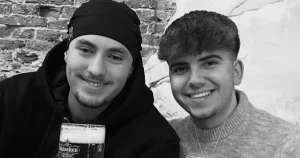
While the focus is on the survivors, the tragedy has also cast a harsh light on the victims in the car that caused the crash. The five teenagers who died were named as Joe Carthy, Jack Kennedy, Alex McCarthy, Jeremy O’Brien, and Kamil Pustkowski. They were from various towns in Ireland, their lives also cut short in a devastating final act. However, details have since emerged that paint a deeply troubling picture of their activities in the lead-up to the crash. The teenagers were reportedly suspects in a string of car thefts and burglaries and had been posting videos on social media of themselves being chased by gardaí (Irish police). One chilling clip showed a view from their rear-view mirror with the caption “wrong way,” suggesting a blatant disregard for danger and for the lives of others. This has led to a national conversation about a dangerous new trend of social media bravado, where young people attempt to “one up” each other with increasingly risky and illegal stunts, seemingly for online notoriety. A security source described them as part of a growing number of youths “terrorising communities” and using social media to glorify their actions.
The political and law enforcement response has been swift and severe. Taoiseach Micheál Martin expressed his shock and sadness, condemning the crash as the result of “an irresponsible and dangerous act.” He directly linked such behavior to a troubling phenomenon of performing reckless acts “for likes on social media,” highlighting that this was the second appalling crash on Irish roads in a matter of days involving a car on the wrong side of the motorway. His words reflect a growing public anger and demand for change. The Taoiseach offered his thoughts and prayers for the injured family, wishing them a full recovery, while also acknowledging the devastating loss of life among the teenagers and the grief that their families now face. He called for an end to the “reckless behaviour” that has gripped the nation’s roads and confirmed he would be speaking with the Minister for Justice and the Garda Síochána to address the issue. In direct response to this horrific event, Justice Minister Jim O’Callaghan is reportedly considering introducing a new criminal offence specifically targeting those who drive the wrong way on a motorway, a move that signals a firm legislative intent to deter such dangerous acts.
In conclusion, the crash on the M9 is a multi-layered tragedy that has left an indelible mark on Ireland. It is a story of innocent people, a family bound for a celebration, whose lives have been cruelly and irreparably damaged. It is also a story of wasted young lives, cut down in an act of extreme and reckless folly fueled by a distorted social media culture. The coming weeks and months will be a painful and difficult time for all involved—for the sisters and the young boy as they fight for recovery, for their families as they keep a bedside vigil, and for the families of the five teenagers who must now grieve the loss of their children. As the community begins to heal, the poignant image of the discarded suitcases by the side of the road, a symbol of a journey that never began, serves as a stark reminder of the preciousness of life and the devastating consequences of a single moment of madness. The overwhelming support for the injured family offers a glimmer of hope, but the grief and questions provoked by this senseless tragedy will linger for years to come. The memory of that Sunday morning will stand as a grim warning, a national tragedy that has forced a country to confront the deadly consequences of reckless driving and the dark side of social media’s allure.