


The Kerch Strait Shipbreaking Incident: An Environmental Disaster Unfolds
The Kerch Strait, a narrow waterway separating mainland Russia from the annexed Crimean Peninsula, became the scene of a maritime disaster on November 11th. Two oil tankers, the Volgoneft 212 and the Volgoneft 239, both carrying thousands of tonnes of oil products, encountered severe storm conditions. The resulting damage led to the complete break-up of the Volgoneft 212 and significant damage to the Volgoneft 239. This incident sparked a frantic rescue operation and raised serious environmental concerns, particularly regarding a potential oil spill. The event highlights the vulnerability of ships navigating the often-turbulent Kerch Strait and raises questions about the vessels’ structural integrity and maintenance history.
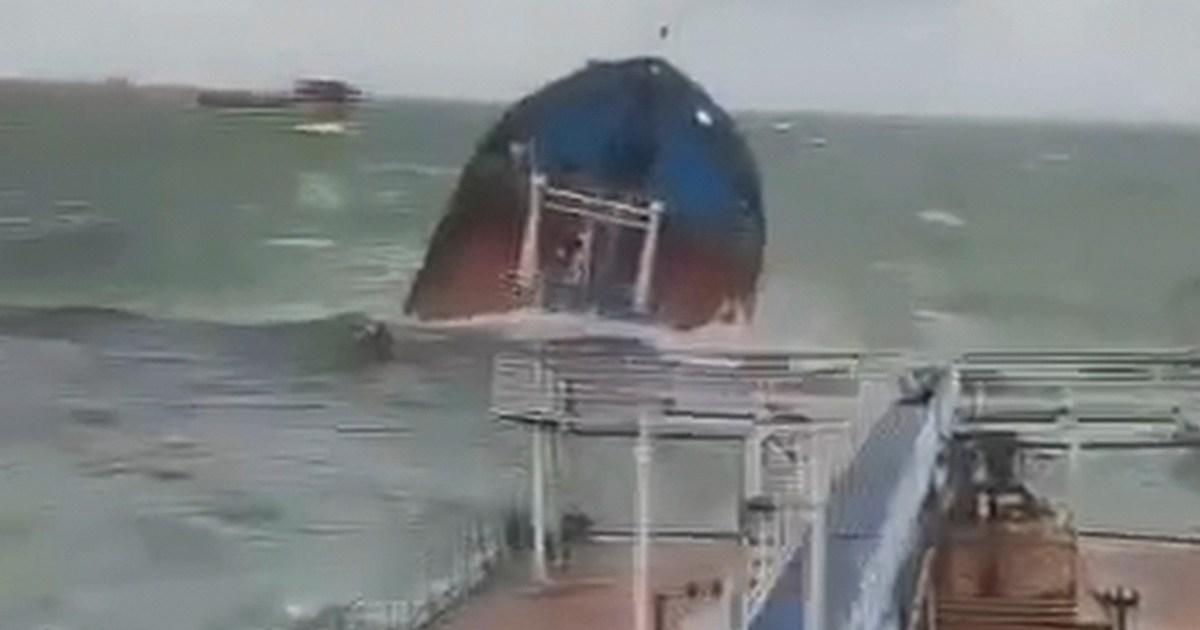
The immediate impact of the storm was the catastrophic failure of the Volgoneft 212. Buffeted by powerful waves, the tanker split in two, rapidly sinking near the Kerch Strait shores. Thirteen crew members were onboard at the time, struggling for survival in the tumultuous sea. A rescue operation was launched, involving over fifty personnel, an Mi-8 helicopter, and a rescue tugboat. Despite the challenging conditions, rescuers managed to pluck some of the crew members from the water. However, the fate of several others remained uncertain for hours, adding to the urgency and gravity of the situation.
As the Volgoneft 212 sank, its cargo of approximately 4,300 tonnes of oil posed a grave threat to the marine environment. Reports indicated the presence of oil slicks in the vicinity, confirming fears of a spill. The extent of the environmental damage, though not immediately quantifiable, was a source of significant concern for environmental organizations like Greenpeace, who pledged to monitor the situation closely. The Kerch Strait, a crucial marine ecosystem, faced a potential ecological crisis due to the spill.
While the Volgoneft 212 met a tragic end, the Volgoneft 239 also suffered damage in the storm, rendering it adrift. With fourteen crew members on board, this second tanker added to the complexity of the rescue effort. While the immediate priority was saving lives, the damaged condition of the Volgoneft 239 posed another potential environmental hazard, requiring careful management to prevent further oil leaks.
The incident immediately raised questions about the condition of both vessels. Reports emerged suggesting that both the Volgoneft 212 and Volgoneft 239 had undergone significant structural modifications in the past, including being cut in half and "sewn" back together. These modifications, purportedly made to meet certain class standards, became a focus of scrutiny. Allegations surfaced that the ships had not received proper maintenance throughout their operational lifespan, potentially contributing to their vulnerability in the storm. The possibility that the welding seams, created during the modifications, failed under the stress of the waves became a primary theory explaining the catastrophic break-up of the Volgoneft 212.
The Kerch Strait shipbreaking incident underscores the importance of stringent safety regulations and proper maintenance in the maritime industry. The potential environmental damage caused by the oil spill calls for a thorough investigation into the circumstances leading to the disaster. The incident serves as a stark reminder of the risks associated with maritime transport, particularly in challenging weather conditions, and the potential consequences of neglecting vessel maintenance. Furthermore, the alleged lack of proper servicing raises serious questions about oversight and enforcement of safety standards within the shipping industry. The long-term impact on the Kerch Strait ecosystem remains to be seen, and the incident will likely prompt further discussions on the need for enhanced safety measures and stricter adherence to maintenance protocols. This event serves as a tragic example of the delicate balance between maritime commerce and environmental protection.
This expanded summary provides a more detailed account of the events, including the rescue efforts, environmental concerns, and the potential causes of the ship’s structural failures. It emphasizes the incident’s significance as a maritime disaster with far-reaching implications, impacting both human lives and the environment. The added details and contextual information provide a richer understanding of the complexity and gravity of the situation.