



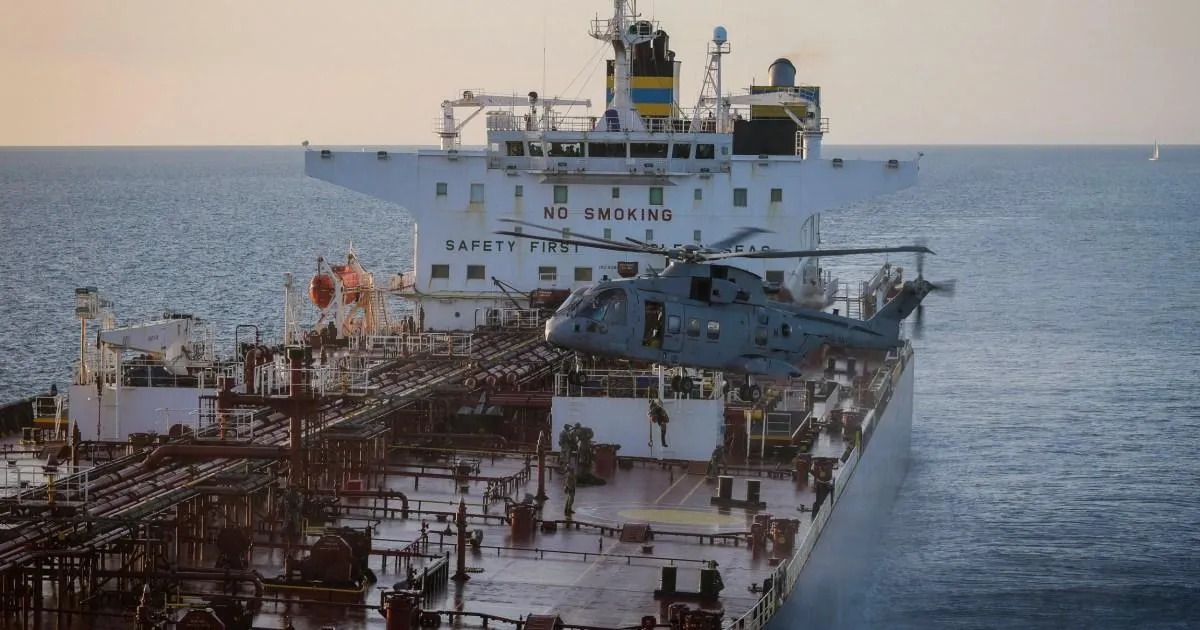
The geopolitical landscape of Europe is shifting into a shadow war, as recent findings from the International Institute for Strategic Studies (IISS) reveal a harrowing pattern of Russian aggression. Under the cover of its infamous “shadow fleet”—a network of vessels operating outside standard maritime regulations—the Kremlin has been covertly deploying hundreds of sophisticated drones across Britain and the European continent. These aren’t merely exercises in surveillance; they are a calculated, systematic mapping of our vulnerabilities. From nuclear sites to critical military airbases like RAF Fairford, Lakenheath, and Mildenhall, these uncrewed aerial vehicles have been testing the resilience of Western defensive perimeters, effectively scouting for the weak links that would be exploited should active conflict ever erupt.
The strategic intent behind these incursions is chilling in its precision. By treating European airspace as a live laboratory, the Kremlin is gathering granular data on reaction times, the coverage gaps of integrated air defense systems, and how national governments prioritize their responses to provocations. It is a slow-burn infiltration strategy designed to prepare for a “decisive opening operation” in a high-intensity conflict. As experts have noted, these actions are essentially a dress rehearsal for war. By utilizing civilian-looking vessels to launch and recover these assets, Russia blurs the lines between commercial activity and covert military operations, creating a persistent level of grey-zone warfare that is difficult for traditional defensive doctrines to counter.
Keir Giles, a prominent expert on Russia from Chatham House, warns that this behavior isn’t just about technical reconnaissance; it’s a psychological probe into our collective resolve. When these drones hover over our critical infrastructure, they are testing our threshold for indignation and our willingness to take action. The uncomfortable reality is that by failing to provide a clear, public, or consequences-driven response to these sightings, Western nations are inadvertently signaling that they are comfortable with, or at least paralyzed by, these incursions. According to Giles, this lack of pushback only emboldens Moscow, encouraging them to push further, step by step, into areas that were previously considered untouchable.
The narrative that this is a recent or isolated phenomenon is quickly dissipating. For years, observers have argued that Russia has effectively been conducting a war of attrition against the UK and its allies through non-traditional means. The evidence is mounting: from the mysterious, undisclosed interference in critical drinking water supplies throughout 2024 to the staggering 46,000 incidents of reported GPS and flight path interference over the Baltic, Black Sea, and eastern Mediterranean. These are not malfunctions or coincidences; they are the result of deliberate state-sponsored signal jamming and surveillance efforts, proving that the front lines of this conflict are no longer just in the trenches of Eastern Europe, but in our digital networks and local infrastructure.
Compounding the anxiety surrounding these events is the perceived lack of transparency from government officials. The public is largely left in the dark, leading to a growing sense of vulnerability and a nagging suspicion that these acts—which look and function exactly like modern warfare—are being met with silence rather than structural or diplomatic retaliation. When state-aligned adversaries issue cyber-threat notices or haunt our skies with spy drones, the need for public reassurance and a display of deterrent capability becomes paramount. Without visible evidence that these dangers are being successfully mitigated or countered, the public remains susceptible to the unsettling realization that our borders are far more porous than they appear.
Ultimately, we are witnessing a fundamental evolution in how state-level threats are executed. Gone are the days when military buildup was restricted to open troop movements or overt naval presence. Today, the battlefield is shrouded in the murky world of shadow fleets, silent cyber intrusions, and autonomous drones that leave no footprint. As the IISS report suggests, this is a long-term investment by the Kremlin in destabilization and disruption. To ensure security, Western governments must move beyond the current cycle of quiet observation and adopt a more assertive posture. Failing to address these tactical probes today could fundamentally compromise our ability to defend ourselves tomorrow when, and if, the conflict transitions from the shadows into the light.