

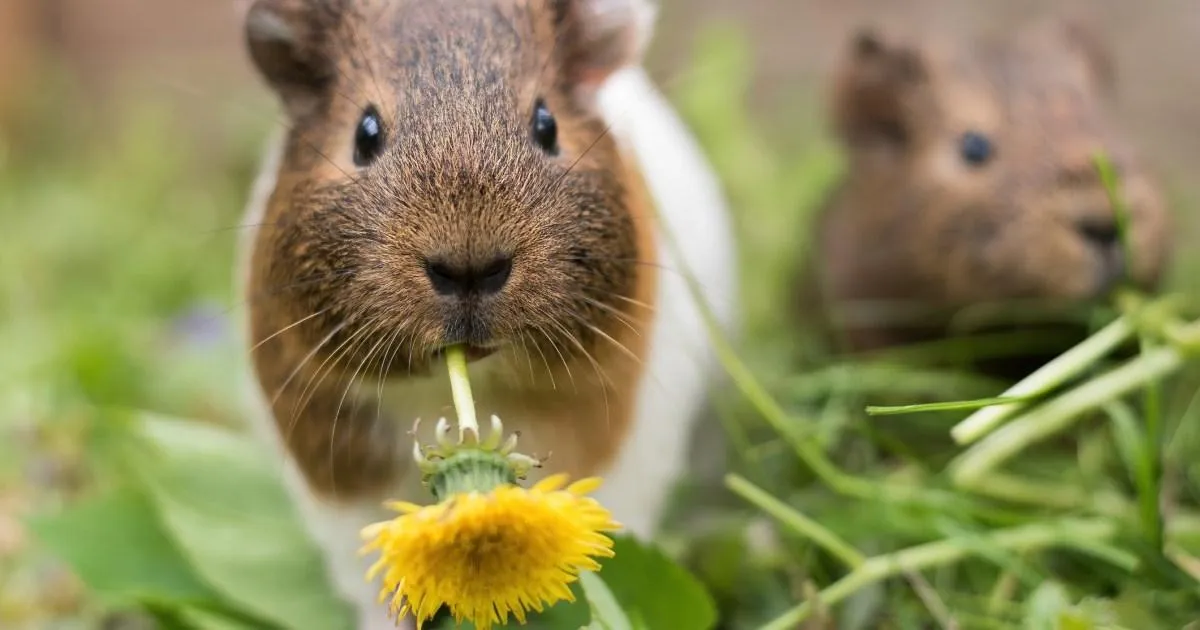
David and Mayu Phillips, a couple living in Pembrokeshire, Wales, have set their sights on a lifestyle that challenges modern Western norms. They recently secured planning permission for an “off-grid” eco-farm, a project designed to minimize their environmental footprint and promote sustainable living. Central to their proposal, which they framed as a necessary step toward a more responsible, planet-friendly existence, is the inclusion of a micro-farm intended to provide food and income. While the plan encompasses vegetable patches and the rearing of rabbits and pigeons, it was their specific intention to breed guinea pigs for human consumption that ignited a firestorm of public debate and highlighted the deep cultural divide between agricultural utility and the modern perception of pets.
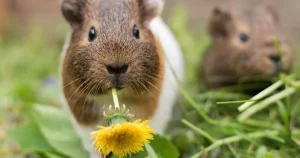
For the Phillipses, the inclusion of guinea pigs is a matter of practical sustainability rather than mere experimentation. During the council’s planning committee meeting, David Phillips argued that humanity currently lives as if we have an infinite supply of planet Earths, emphasizing that every individual must play a part in living more conservatively. He noted that the specific breed they intend to raise is significantly larger than the common household variety, drawing comparisons to rabbit meat both in terms of yield and nutritional value. The couple maintains that their project is not only viable but essential, projecting that the farm will become profitable by its fifth year, with a planned income of £14,000 generated through a combination of traditional honey production and their small-scale livestock efforts.
However, the proposal has encountered fierce resistance, primarily because guinea pigs occupy a sacred space in British homes. With over 700,000 guinea pigs serving as beloved, named, and often pampered household companions across the UK, the thought of them being viewed as “livestock” has triggered a visceral reaction from the public. A petition opposing the project garnered hundreds of signatures within 24 hours of its launch. Organizations like the Herbivore Club have led the charge, arguing that the council’s approval ignores the deep emotional connection people have with these animals. They contend that because guinea pigs are widely viewed as family members, they should be fundamentally removed from the classification of a “meat source” in any planning scheme, urging the Welsh government to move toward an outright ban on their consumption.
It is helpful to view this tension through a global lens, as the practice of eating guinea pigs—or cuy—is actually a deeply rooted tradition elsewhere. In the Andes of South America, where the species was domesticated thousands of years ago, they are considered a high-protein delicacy. Flavor-wise, the meat is often described as a gamey, lean protein that sits somewhere between rabbit and chicken. While this context is culturally accepted in South America, it stands in stark contrast to the historical trajectory of the animal in England. Since the time of Queen Elizabeth I, when they were imported as exotic status symbols, they have steadily transitioned into the role of the quintessential children’s pet, which explains why the local outcry in Wales is so intense compared to the matter-of-fact reality in the Andes.
Legally, the Phillipses find themselves in a complex grey area. Under current UK regulations, it is not illegal to raise or eat guinea pigs in your own home, provided the animal is not subjected to unnecessary suffering during slaughter. The law mandates strict standards for stunning and euthanasia, ensuring that the act remains humane. Because the couple resides on private property and plans to manage the slaughter process themselves, they are well within their legal rights. The Pembrokeshire County Council, faced with a planning application for a land-use project, focused its unanimous approval on the sustainability claims and the viability of the business model, rather than the specific nature of the animals being raised, effectively distancing the council from the moral controversy.
Ultimately, this situation serves as a fascinating, albeit polarizing, case study in how our values are shaped by our culture and geography. While the Phillipses view their project as a noble attempt to combat the climate crisis through self-sufficiency, they have inadvertently walked into a clash between the ancient, practical history of human-animal relationships and the modern, emotive reality of animal companionship. The confusion surrounding the species—which are neither from Guinea nor related to pigs—often leads to lighthearted trivia, but the debate in Tenby is anything but light. It forces us to confront difficult questions about the boundaries of our food systems and how much our personal definitions of “pet” versus “livestock” should dictate what is permissible in a modern, sustainable society.