


Paragraph 1
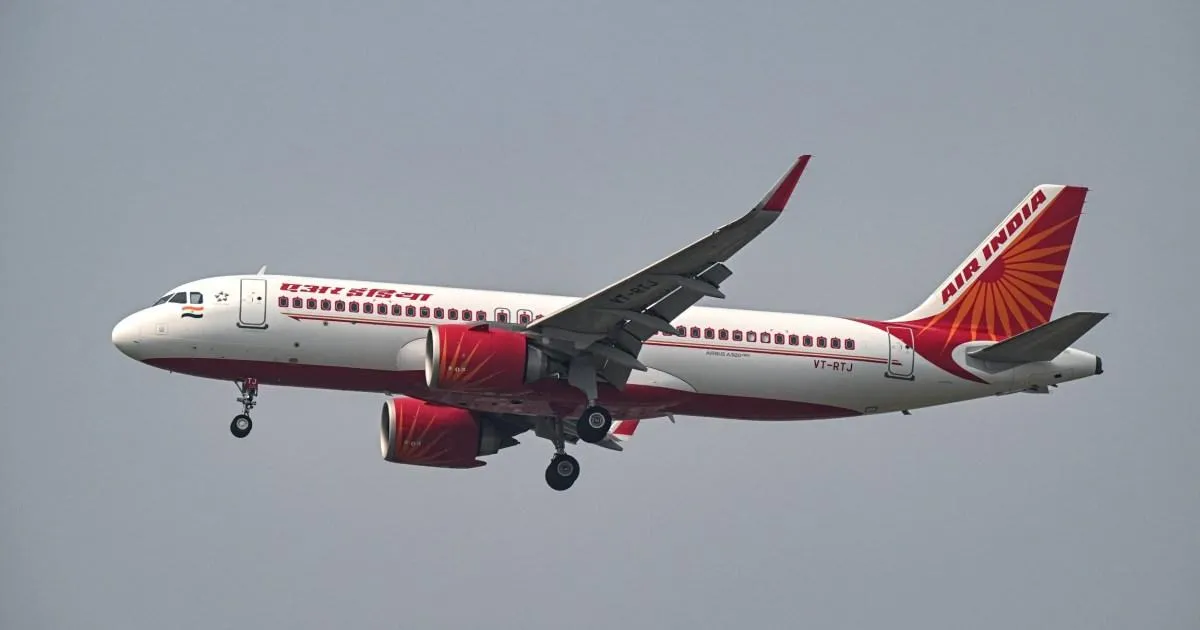
It was supposed to be a routine flight home from the sun-soaked beaches of Phuket to the chaos of Delhi — a few hours of sleep, a movie, a drink, and then the familiar rush of landing. Instead, for more than one hundred passengers aboard that Airbus A320, the journey became a nightmare no one would forget. On August 4, the Air India flight suddenly plunged roughly three hundred feet in the sky, a violent, stomach-lurching drop that sent unsecured objects flying, threw bodies from their seats, and filled the cabin with screams. In the chaos that followed, twenty passengers and four cabin crew members were injured, some seriously enough to need medical attention after the plane finally landed. The pilots managed to regain control, and the aircraft touched down, but the terror of those seconds lingered long after the wheels hit the runway. Investigators were immediately called in. What they found would shake the airline to its core: one of the pilots in the cockpit had tested positive for marijuana. The flying public, already nervous about the safety of modern aviation, suddenly had a reason to ask the most unsettling question of all — can we really trust the people flying us?
Paragraph 2
As the investigation into the August 4 plunge continued, both pilots were pulled from duty, and the airline began to wrestle with a deeply uncomfortable truth. Under current Indian regulations, airlines are only required to drug test at least ten percent of their flight crews each year, a random sampling system that leaves plenty of room for dangerous habits to go unnoticed. But in the wake of this terrifying incident, Air India announced that it would not simply wait for the next random check — the airline would now drug test every single pilot in its operation. The move was a direct response to the shocking revelations emerging from the cockpit. According to cabin crew members who complained to Air India, the captain appeared visibly impaired during the flight. One person told the Times of India that the captain was often sitting on the floor of the flight deck, at one point even trying to smoke. Cabin crew had to physically help the pilot back into the seat, and after exiting the aircraft, he was unable to walk properly. The image is jarring: a person entrusted with hundreds of lives, struggling to maintain basic control of himself, while his colleagues tried to keep up appearances and manage the situation in the sky.
Paragraph 3
There is, of course, a crucial distinction that investigators have been careful to make. The current investigation has not yet found a direct link between the captain’s reported positive drug test and the sudden loss of altitude. It is entirely possible that the drop was caused by something else, a technical malfunction, a difficult weather system, or a momentary lapse in attention. But the testimony from the cabin crew makes it impossible to ignore the larger problem: this pilot, by all accounts, was not in full control of himself. He was sitting on the floor of the flight deck, attempting to smoke, needing help to return to his seat. That is not the behavior of a professional aviator at the peak of readiness; it is the behavior of someone overwhelmed, impaired, or struggling with a deeper issue. And yet, he was in command of an aircraft carrying more than a hundred people. The humanization of this story is uncomfortable because it forces us to see pilots not as infallible heroes but as human beings who can make catastrophic mistakes, who can suffer from addiction, fatigue, mental health challenges, or simple poor judgment. It also forces us to acknowledge that the systems designed to catch such problems before they reach the cockpit are dangerously insufficient.
Paragraph 4
The fear generated by this incident is compounded by the airline’s recent history. Last year, an Air India flight crashed and killed 260 people, a catastrophe that left the nation grieving and searching for answers. Earlier this month, investigators revealed that they were leaning toward a bombshell theory: deliberate pilot action in the moments before the crash. The theory had been rumored for months since the June 12 crash in Ahmedabad, but now it was looking increasingly likely in India’s official investigation. Sources close to the probe, speaking on condition of anonymity, said that experts had already ruled out mechanical failure and found no evidence of sabotage. That leaves one line of inquiry standing: the pilots themselves. Only one person survived. The families of the dead have waited months for answers, and the possibility that their loved ones were killed not by bad luck or a failing machine, but by a conscious act from the flight deck, is almost too terrible to comprehend. The parallel between that crash and the recent incident is impossible to ignore. In both cases, the common denominator is human action, human choice, human failing. And in both cases, the flying public is left wondering whether the people charged with their safety are truly fit for the job.
Paragraph 5
Air India’s response to the latest incident has been swift, at least in public relations terms. The airline’s senior vice president for flight operations sent a message to pilots announcing that, in addition to the required random testing, the company would undertake a full screening of all group pilots for any substances or medications that are not permitted under prevailing regulations. On the surface, this sounds like a responsible, decisive step. If a pilot cannot be trusted to make safe decisions, perhaps the entire pilot population needs to be examined. But the deeper question is whether this kind of reaction addresses the root cause. Substance abuse in any profession is often a symptom of underlying stress, burnout, depression, or a system that pushes people to hide their struggles rather than seek help. Pilots spend their careers under enormous pressure. They are away from home for long stretches, they work irregular hours, they are responsible for hundreds of lives, and they are expected to project confidence at all times. Admitting to a problem can mean losing a career. So instead, some may self-medicate, or they may slip into patterns of denial that put everyone at risk. The airline can test every pilot tomorrow, but unless it also creates a culture where pilots can come forward without fear of ruin, the next tragedy may already be waiting in the wings.
Paragraph 6
What makes this story so haunting is not just the image of an impaired pilot in the cockpit. It is the realization that so many people on that flight had no idea how close they came to disaster. They were sitting in their seats, trusting the uniforms, trusting the procedure, trusting the airline, while above them, in the flight deck, a man who could barely walk was supposed to be flying the plane. The passengers who were injured will carry the physical scars. But all of them, and all of us who read this story, will carry the psychological weight of knowing that the margin between safety and catastrophe is sometimes held together by nothing more than the fragile humanity of a single individual. The investigation into the August 4 plunge is still ongoing. The pilots have been removed from duty. Air India has promised to test everyone. But true safety will require more than a checklist. It will require compassion for the human beings who fly our planes, honest conversations about addiction and mental health, and a willingness to build an aviation culture where asking for help is seen as strength, not weakness. Until then, every time a plane lifts off the runway, a quiet thought will follow it into the sky: we are placing our lives in human hands. We must make sure those hands are steady.