

The Day the Sea Came In: Ibiza’s Mini-Tsunami Chaos
The Mediterranean morning had started like any other on the golden sands of Platja de s’Arenal, with the gentle Mediterranean sun casting its warm glow across the shoreline and early-bird holidaymakers claiming their spots for a day of relaxation. Families were setting up umbrellas, couples were spreading out their towels, and the smell of sunscreen mixed with the salty sea breeze created that unmistakable holiday atmosphere. No one could have anticipated that within moments, this picture-perfect scene would transform into a scene of confusion and mild chaos, as the sea itself decided to come calling in the most unexpected way. The first sign that something was amiss came not as a dramatic wall of water or a terrifying roar, but as something far subtler—a sudden, inexplicable rise in the water level that had beachgoers glancing at each other in bewilderment, wondering if their eyes were playing tricks on them.
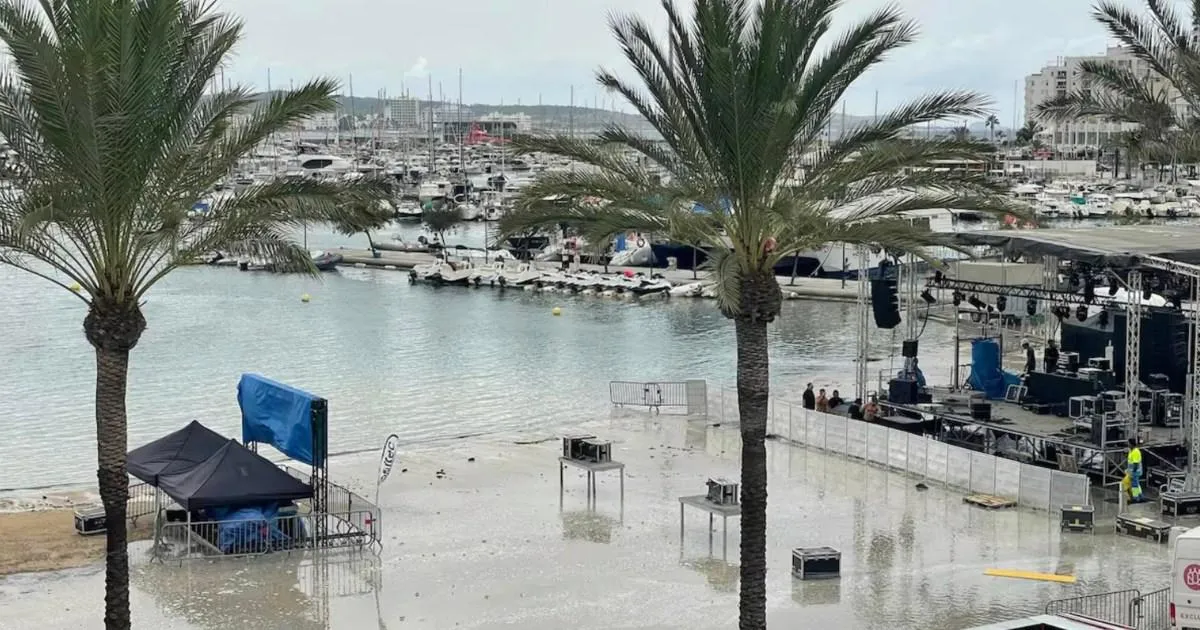
What followed was a phenomenon that the locals would later identify as a ‘mini-tsunami’, a term that sounds almost contradictory given the destructive power we typically associate with these natural events. Rather than the towering, destructive waves that have devastated coastlines across the globe, this was a slow-motion inundation that seemed almost surreal in its approach. The water didn’t crash onto the shore; it simply advanced, creeping across the sand with a persistence that was more unsettling than any dramatic wave could have been. Tourists who had been lounging peacefully suddenly found themselves ankle-deep in seawater, their belongings floating away as they scrambled to gather up their phones, wallets, and towels. The footage captured at the scene shows the bizarre nature of the event—people standing in seawater that seemed to appear from nowhere, their faces a mixture of amusement and alarm as they tried to process what was happening around them.
The scene at the beachfront restaurants was even more surreal, as patrons enjoying their morning coffee and pastries found themselves facing an unexpected indoor water feature. Tables and chairs were hastily moved to higher ground as the water pushed its way across the terraces, carrying with it an assortment of beach debris, coolers, and abandoned belongings. The flood reached all the way to the street, turning what had been a bustling beachfront boulevard into a shallow river that people waded through with a mixture of bemusement and resignation. There was something almost comical about the scene—holidaymakers in swimwear splashing through what had been dry land just minutes before, their expensive cameras held aloft like offerings to an unpredictable sea god, while restaurant staff worked frantically to save their stock from the encroaching water.
Understanding the Rissague Phenomenon
The explanation for this unusual event lies in a meteorological phenomenon known locally as a ‘rissague’, a term that might be unfamiliar to most visitors but is well-known to the residents of the Balearic Islands. Unlike the tsunamis caused by underwater seismic activity, these mini-tsunamis are triggered by sudden changes in atmospheric pressure that cause the sea level to rise and fall dramatically in a short period. It’s a quirk of Mediterranean weather patterns that has been documented in the region for centuries, though each occurrence still catches people by surprise. The phenomenon is particularly prevalent in the Balearic Islands due to the unique geography of the region, where specific weather conditions can create a perfect storm of pressure changes that cause the sea to behave in ways that defy its typically calm Mediterranean character.
On this particular day, the rissague hit the coastline with a force that sent sea levels rising by up to 86 centimeters, a significant change that transformed the familiar landscape of the beach into an unrecognizable water world. The event struck shortly before 8am, catching many early risers and overnight campers off guard, though the relatively gentle nature of the flooding meant that there were no immediate reports of injuries. The slow-moving water, while startling, allowed people to move through it safely, creating those remarkable images of tourists wading through knee-deep water that would soon be shared across social media platforms. Witnesses described the experience as both bewildering and strangely beautiful, as the normally azure waters of the Mediterranean invaded spaces where they had no business being, creating mirror-like surfaces across what had been sandy beach and paved streets just moments before.
The effects of the rissague were not limited to Ibiza, as the phenomenon also made its presence felt in several locations across the neighboring island of Majorca. Popular tourist destinations including Puerto Alcudia, Andratx, Sóller, and the luxurious Port Adriano in Calvià all experienced similar flooding, with seawater spilling onto beachfront promenades and disrupting the morning routines of both locals and visitors alike. In Puerto Alcudia, holidaymakers enjoying drinks at terrace bars found themselves making a hasty retreat as the sea crept inexorably towards them, turning their casual breakfast into an impromptu water sports event. The widespread nature of the event highlighted how these atmospheric pressure changes could affect the entire region simultaneously, creating a coordinated display of nature’s unpredictability across multiple islands.
Impact on Tourism and Daily Life
The aftermath of the mini-tsunami brought a mix of disruption and adaptation as the affected areas returned to something approaching normalcy. In San Antonio, where the impact had been most dramatic, the decision was made to cancel a tribute concert celebrating the music of a Spanish rock band, citing security concerns as weather chiefs warned of the potential for further rissagues throughout the day. The cancellation came as a disappointment to many visitors who had been looking forward to the evening’s entertainment, though most understood the need for caution given the unpredictable nature of the weather phenomenon. Local authorities remained on high alert throughout the day, monitoring sea levels and atmospheric conditions while preparing for the possibility of additional flooding events.
The situation on Menorca’s Ciutadella was slightly different, with officials placing the coastal town on standby status as they monitored forecasts that warned of sea level fluctuations of up to 1.2 meters in either direction. This precautionary approach reflected the lessons learned from previous rissague events, particularly the more dramatic occurrences that have struck the Balearic Islands in recent years. While the immediate flooding had subsided, the potential for the phenomenon to repeat itself meant that both residents and tourists remained vigilant, casting occasional glances at the seemingly innocent sea as if trying to divine its next move. The atmosphere in the affected coastal areas was one of cautious uncertainty, with the lapping waves serving as a constant reminder of nature’s capacity for surprise.
For the holidaymakers caught up in the event, the mini-tsunami became an unexpected story to share, transforming their vacation from a simple beach holiday into an encounter with an unusual natural phenomenon. Social media platforms buzzed with videos and photographs of the flooding, with many tourists documenting their experiences in real-time as they waded through the unexpected waters. The reactions ranged from genuine concern to the kind of British determination to make the best of things that has become legendary in holiday resort situations across the world. Some tourists were seen laughing at the absurdity of the situation, while others treated it with the seriousness it deserved, mindful of the potential dangers that even a slow-moving flood could present to those less able to move quickly to safety.
Historical Context and Regional Patterns
The event brought back memories of similar occurrences in the region, most notably the mini-tsunamis that struck parts of Majorca in July 2018. On that occasion, the sea level rose approximately five feet, sending powerful currents sweeping through coastal resorts and causing significantly more chaos and damage than this latest event. Video footage from that incident showed tourists running from the water in genuine alarm as the powerful currents flooded coastal roads, beach bars, and restaurant terraces. The 2018 event also saw boats torn from their moorings and dragged out to sea, creating dangers both on land and in the water as vessels became unexpected projectiles in the turbulent conditions. The comparison between the two events highlighted the variability of these phenomena, with the 2018 occurrence serving as a stark reminder of how serious rissagues could become under certain conditions.
Scientists and meteorologists have long studied these events, seeking to better understand the mechanisms that trigger them and improve their ability to forecast when they might occur. The challenge lies in the complexity of the atmospheric and oceanic interactions that create rissagues, which require specific combinations of pressure systems, wind patterns, and ocean currents to align in just the right way. While modern forecasting has improved significantly in recent years, the ability to predict exactly when and where these events will strike remains limited, which is why the warnings and precautionary measures implemented during this latest event were so important. The research continues, with each occurrence providing valuable data that helps build a more complete picture of how these unusual phenomena work and how best to prepare for them.
The frequency of rissagues in the Balearic Islands has made them a topic of interest for both scientists and local residents, who have learned to live with the occasional intrusion of the sea onto their shores. For the most part, these events are more of a curiosity than a serious threat, their slow-moving waters providing ample time for people to move to safety and for businesses to protect their property. However, the potential for more serious occurrences is always present, which is why warnings are taken seriously and why the cancellation of events like the tribute concert was viewed as a sensible precaution rather than an overreaction. The balance between maintaining normal life and respecting the potential dangers of these natural phenomena is one that coastal communities around the world must navigate, and the Balearic Islands have developed considerable expertise in managing this delicate equilibrium.
The Human Experience of a Natural Anomaly
For the visitors who experienced the mini-tsunami firsthand, the event will likely become one of the most memorable aspects of their holiday, a story to share with friends and family back home that goes beyond the usual tales of sun, sea, and sand. There is something about witnessing nature’s power, even in its gentler manifestations, that leaves a lasting impression on those who experience it. The tourists who found themselves unexpectedly soaking wet on what should have been a dry beach will return home with a unique story, one that adds an element of adventure to their vacation narrative. The amusement and bewilderment captured in the footage and photographs from the event suggest that while the experience may have been inconvenient, it was largely approached with good humor and the kind of adaptability that travelers often discover they possess when faced with unexpected circumstances.
The local response to the mini-tsunami reflected the resilience and experience of communities that have weathered similar events before. Restaurant staff moved with practiced efficiency to protect their businesses, beach vendors gathered up their merchandise with speed born of experience, and local authorities implemented their emergency plans with a calm professionalism that reassured visitors. This was not the panic and chaos that might accompany a more serious natural disaster, but rather the measured response of people who understood what was happening and knew how to deal with it. The ability to maintain this composure in the face of unexpected events is one of the great strengths of tourist communities in regions where such phenomena are known to occur, and it played a significant role in ensuring that what could have been a frightening experience remained merely an unusual one.
As the day wore on and the waters receded back to their normal boundaries, life in the affected areas gradually returned to normal. The beach was cleaned, the restaurant terraces were dried out, and holidaymakers resumed their sunbathing with perhaps a newfound appreciation for stable sea levels. The mini-tsunami would be added to the long history of rissagues in the region, another chapter in the ongoing relationship between the Mediterranean and the people who live and vacation along its shores. For the visitors who witnessed it, the event served as a reminder of the powerful forces that shape our world and the importance of respecting them, even when they manifest in the gentle form of water creeping across a sun-drenched beach on a beautiful morning in paradise.