


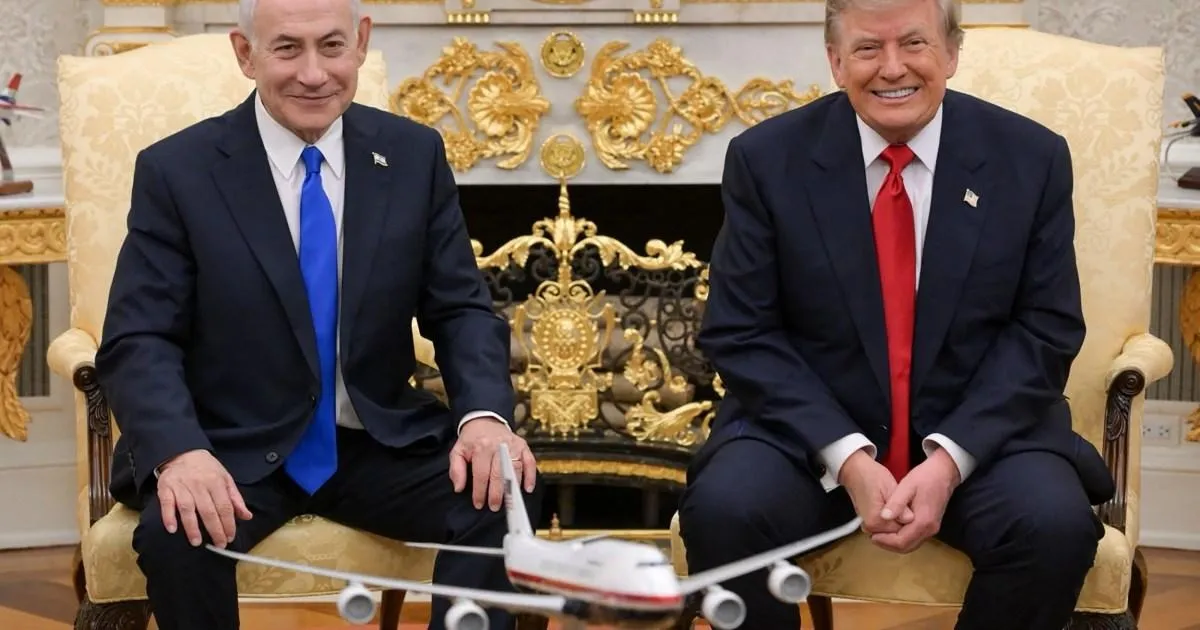
The ongoing geopolitical tension surrounding the conflict in Gaza has reached a new boiling point following Prime Minister Benjamin Netanyahu’s definitive rejection of a 15-point peace plan proposed by Donald Trump. While the former U.S. President had previously championed this roadmap as a “monumental step” toward regional stability—claiming that Hamas had reached a consensus on disarmament—Netanyahu has publicly dismantled those expectations. During a recent cabinet meeting, the Prime Minister made his position crystal clear: Israel will not be swayed by external proposals that he believes compromise the safety of its citizens or fail to address the core threat posed by militant factions.
At the heart of this diplomatic friction lies a fundamental disagreement over what “disarmament” actually entails. Trump’s proposal, which suggests a path toward the complete removal of weapons from armed groups in Gaza, has been met with skepticism by both sides of the conflict. Hamas has maintained a rigid stance, refusing to relinquish its heavy weaponry unless Israel fully withdraws its forces and ceases all “acts of aggression.” For Netanyahu, such conditions are non-starters. He insists that any agreement must involve a “true” and verifiable dismantling of all military capabilities—ranging from heavy artillery to smaller arms—rather than the “fictitious” disarmament that he fears would merely allow Hamas to regroup and re-emerge as a future threat to the Israeli state.
Netanyahu’s direct address to his ministers served as both a policy declaration and a rebuttal to those who questioned whether he had officially closed the door on the plan. By asserting that the Israel Defense Forces (IDF) will remain stationed in Gaza until the total neutralization of Hamas’s military infrastructure is achieved, he has drawn a firm line in the sand. This stance effectively nullifies the optimism previously expressed by the Trump camp, signaling that the Israeli government will prioritize its own military assessment of the threat over the proposed international frameworks. Netanyahu openly acknowledged that while he remains in dialogue with American counterparts, many of the components currently on the table are fundamentally “unacceptable” to his administration.
The political landscape within Israel adds a layer of complexity to these negotiations. Netanyahu is currently navigating a highly charged atmosphere, with national elections looming this October. He faces significant pressure from his far-right coalition partners, including National Security Minister Itamar Ben Gvir, who have been vocal in their disapproval of any deal they perceive as soft on security. For these factions, the idea of a phased withdrawal or an incomplete disarmament process is seen as a betrayal of national interests. Consequently, the Prime Minister is balancing the need to maintain his strategic alliance with the United States against the reality of domestic political survival, where appearing weak on security could prove catastrophic at the ballot box.
Beyond the boardroom meetings and diplomatic cables, the human cost of this deadlock remains devastating. The cyclical nature of the violence in Gaza, which has persisted despite previous attempts at a ceasefire, continues to take a toll on both sides. While the international community watches with growing concern, the chasm between the Israeli military’s security requirements and the Palestinian groups’ demands for sovereignty and withdrawal seems wider than ever. This latest rejection serves as a stark reminder that peace is not merely a matter of drafting a list of points or signing an agreement; it is an incredibly fragile process that requires a fundamental trust that is currently non-existent between these warring parties.
Ultimately, this standoff illustrates the immense difficulty of imposing top-down solutions on a conflict rooted in decades of historical trauma and tactical maneuvering. Donald Trump’s ambitious plan, which sought to resolve the crisis through a swift disarmament process, has collided with the harsh, entrenched realities of the ground war. As Netanyahu doubles down on his “no-withdrawal” policy until the final disarmament of his adversaries, the prospects for a lasting, internationally brokered peace appear increasingly dim. For now, the region remains stuck in a dangerous stalemate, with the future of Gaza hanging in the balance of a strategic standoff that shows no signs of resolution.