


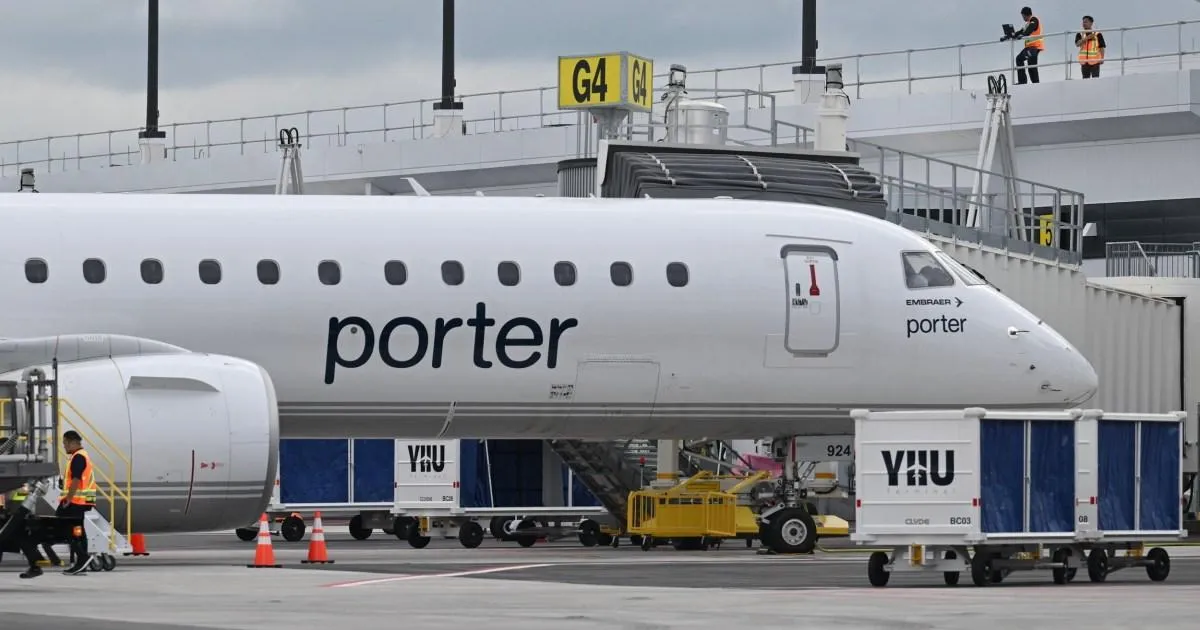
The recent disruption of Porter Airlines flight PD444 serves as a stark reminder of the complexities inherent in air travel, where strict safety protocols occasionally collide with the unpredictable nature of human emotion. What should have been a standard departure from Victoria International Airport to Toronto took an unexpected turn when a young passenger became distressed, ultimately grounding the aircraft. As the plane taxied toward the runway, the cabin crew and the child’s parent faced a difficult situation: the youngster, visibly overwhelmed by fear, refused to remain seated or fastened, instead repeatedly hiding under the seat to escape the situation. While the airline is mandated to enforce rigid safety regulations, the incident highlights the fine line between necessary operational procedure and the genuine human distress that can unfold in the confines of an airplane cabin.
For the flight crew, the decision to return to the gate was not a matter of choice, but a non-negotiable requirement dictated by aviation safety standards. Aviation regulations are clear—every passenger must be securely fastened during takeoff to mitigate the risk of injury during turbulence or sudden maneuvers. Despite persistent, compassionate efforts from both the flight attendants and the parent to coax the child back into their seat, the youngster remained inconsolable. Recognizing that the aircraft could not safely depart with an unrestrained passenger moving about the cabin, the captain made the difficult call to abandon the taxi and return to the terminal. This decision, while frustrating for those on board, reflects the airline’s commitment to prioritizing the physical safety of all travelers over the convenience of a schedule.
The aftermath of this decision created a domino effect that turned a simple delay into a logistical nightmare for everyone involved. Once the aircraft returned to the gate, the airline was forced to disembark not only the parent and the frightened child but every other passenger on board. This process, compounded by the time-consuming tasks of unloading luggage and filing the necessary re-departure paperwork, consumed valuable hours. As the clock ticked past 11:30 p.m., the atmospheric tension inside the cabin grew. Passengers who had been confined to their seats for nearly an hour found themselves caught in a loop of uncertainty, watching as the clock approached the airport’s strict 12:30 a.m. runway curfew.
As midnight approached, the reality set in that the flight would not be taking off that evening. Because the incident had pushed the departure time past the cutoff point, the flight was officially cancelled, leaving dozens of passengers stranded in British Columbia overnight. The atmosphere on the plane, according to those present, shifted from one of mild impatience to profound frustration. For travelers who had planned to reach Toronto on time, the news meant an unplanned stay in a new city and the sudden disruption of personal and professional obligations. While the crew maintained their composure throughout the ordeal, the sheer exhaustion of the passengers was palpable as they deplaned for the final time that night.
Reflecting on the experience, many passengers expressed a nuanced view of the event, distinguishing between malicious behavior and genuine childhood anxiety. One traveler, Ayreh Kozuch, noted that the child’s actions appeared rooted in profound fear rather than simple defiance, describing how the youngster repeatedly slid under the seat to escape the perceived threat of the flight. This sentiment adds a layer of empathy to the story; it suggests that the incident was likely the result of a child experiencing a sensory overload or a traumatic reaction to the flying environment. It serves as a reminder that behind every “flight incident,” there is often a person—or in this case, a scared child—grappling with emotions that are far more complex than the sterile environment of an airline cabin is designed to handle.
Ultimately, the incident leaves us with lingering questions regarding accountability and the future of air travel etiquette. Passengers like Hillary Hertzberg have voiced their disappointment regarding the handling of the situation, questioning whether the airline will provide compensation for the lost time and the unplanned expenses incurred by the overnight stay. Porter Airlines has apologized for the inconvenience, promising that the affected travelers were successfully rebooked for the following day, yet the broader conversation about how airlines manage such delicate situations remains open. While safety will always remain the paramount concern in the skies, the PD444 incident highlights the ongoing challenge for airlines to balance rigid, uncompromising safety regulations with the compassion and understanding required when human variables—like a terrified child—threaten to ground a flight.