



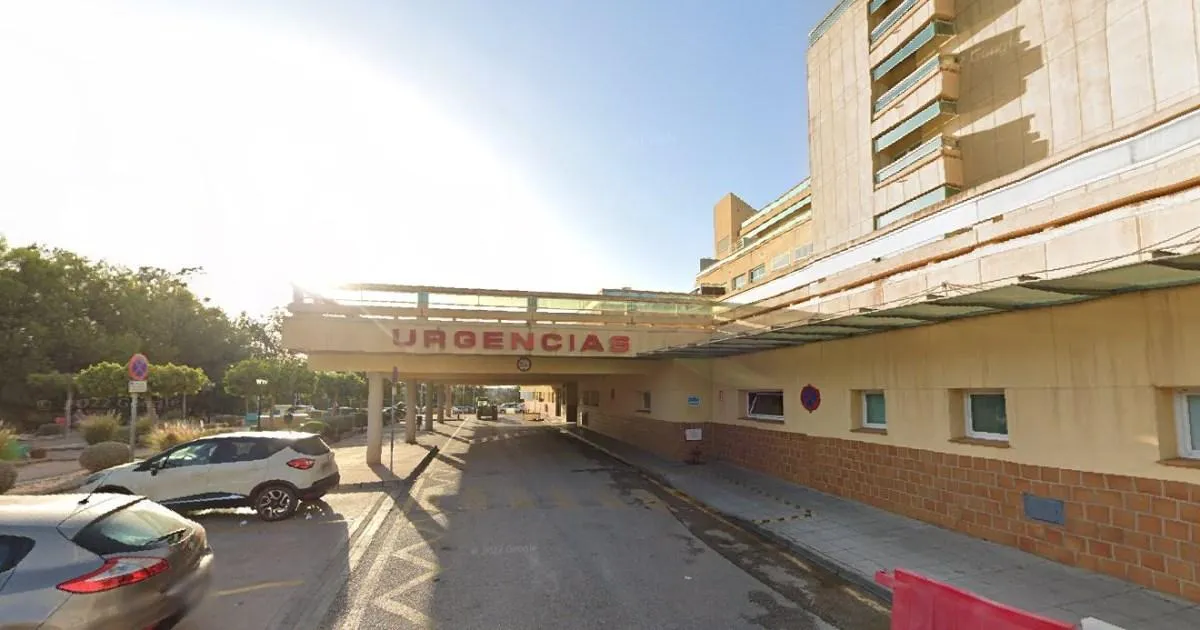
A relaxing getaway to the Costa del Sol turned into a terrifying ordeal for dozens of holidaymakers recently when a technical malfunction at a hotel near Benahavis, just outside of Marbella, triggered a toxic chlorine gas leak. What should have been an afternoon of poolside leisure quickly spiraled into a medical emergency, with at least 60 guests—including many children and elderly visitors—requiring urgent hospital treatment. Among those affected were British tourists who had travelled to the region seeking sunshine, only to find themselves engulfed in a situation that highlights the often-hidden dangers lurking within the complex machinery of modern hotel amenities.
The incident reportedly stemmed from a mechanical failure in the pool’s infrastructure. According to local officials, a circuit breaker on the pressure pump—the vital device responsible for regulating the delicate balance of chlorine and acid in the water—tripped during operation. This sudden loss of power caused the pH and chemical injection systems to cease functioning, yet somehow allowed other volatile gases to continue leaking into the immediate vicinity. As the environment turned hazardous, the hotel was forced to seal off the pool area, bringing in specialists from a public health laboratory to conduct rigorous safety testing and containment procedures.
When pool maintenance falters, the results on the human body can be swift and painful. The chemistry required to keep water safe is precise, and when concentrations drift beyond safe parameters, toxic substances are formed. Victims of such leaks typically report a range of distressing symptoms, from intense stinging in the eyes and raw, burning throats to persistent coughing, significant respiratory distress, and gastrointestinal issues. For those caught in the plume of a leak, the sensation is one of being suffocated by the very water they had intended to enjoy, a traumatic experience that leaves families rattled long after the physical effects fade.
Tragically, this incident is not an isolated event, but part of a worrying trend of chemical accidents occurring in leisure environments. Only days prior to the crisis in Spain, a similar disaster struck a sports club in Rome, where a five-year-old boy was among twenty people hospitalized after a chlorine poisoning incident left victims gasping for air. These events serve as a stark reminder that as we travel and stay in large, modernized facilities, we are often reliant on complex, automated systems that, when they fail, can transform a family holiday into a site of a hazardous materials emergency, requiring police, fire services, and ambulance crews to intervene.
Reflecting on recent years, it is clear that such accidents can happen in even the most regulated regions. In 2022, a major leak at a hotel in Majorca left over 20 people vomiting and suffering from severe skin irritation, requiring paramedics to administer emergency oxygen on-site. Similarly, a frightening incident at a leisure centre in West London saw 150 people evacuated when a chlorine leak was discovered in a learner pool. In that case, the intervention of a Hazardous Area Response Team was necessary, leaving many to wonder how such critical infrastructure could fail so catastrophically when families were just inches away.
Ultimately, these incidents raise urgent questions about maintenance standards, the reliability of automated pool systems, and the vigilance required of those managing high-traffic tourist destinations. While hotels offer us a slice of paradise, the unseen engineering beneath the surface requires absolute precision. For the sixty guests in Marbella, a dream vacation was replaced by the flashing lights of ambulances and the sterile halls of a hospital. As investigations into the Benahavis leak continue, one can only hope that these recurring warnings lead to stricter oversight, ensuring that the only thing tourists have to worry about is the strength of their sunscreen, rather than the air they are breathing.